
Side Hustles for Students in Kenya: 20+ Ways to Make Money in 2026

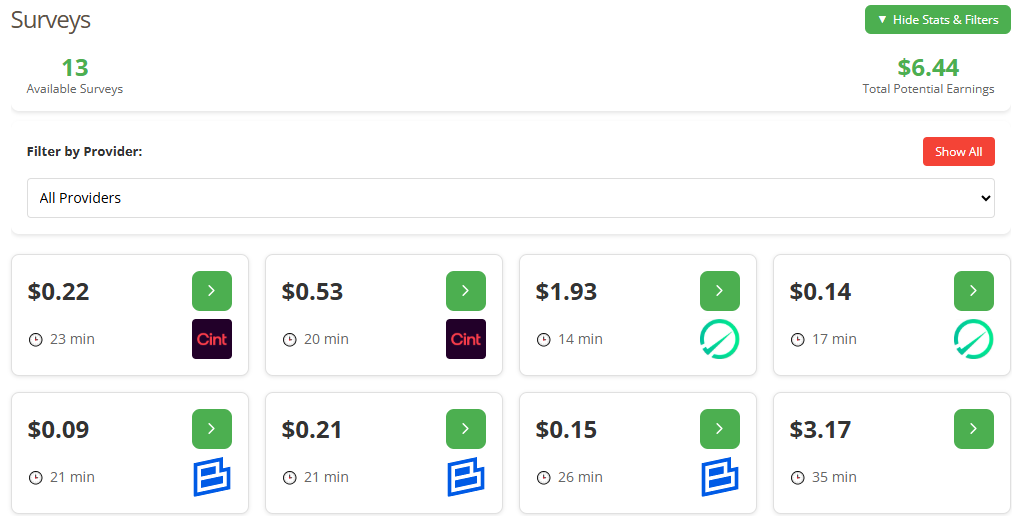
Get High Paying Surveys
Earn money online by completing simple surveys. No experience needed.
Start Earning →Are you a Kenyan university or college student struggling to cover upkeep, rent, data bundles, printing costs, and those unexpected emergencies? You’re definitely not alone. With pocket money rarely stretching to month-end and part time jobs for students Kenya being highly competitive, thousands of students across Nairobi, Eldoret, Mombasa, and Nakuru are turning to side hustles to fund their education and lifestyle.
The good news? Side hustles for students in Kenya have never been more accessible. Whether you’re at University of Nairobi, Kenyatta University, Strathmore, JKUAT, Moi University, or any institution across the country, you can start earning extra cash using just your smartphone, laptop, and the skills you already have.
This comprehensive guide reveals over 20 legitimate student side hustles Kenya learners are using right now to make between KES 3,000 and KES 50,000 monthly—without compromising their studies. You’ll discover online jobs for Kenyan students, campus-based opportunities, weekend hustles, and exactly how to balance everything successfully.
What Are Side Hustles for Students in Kenya?
Side hustles for students in Kenya are flexible, income-generating activities that fit around your class schedule, exam periods, and campus life. Unlike traditional employment with fixed 9-5 hours, student side hustles let you work during evenings, weekends, school holidays, or even between lectures.
These opportunities range from online jobs for Kenyan students that you can do from your hostel or home, to campus-based services like selling snacks, offering typing services, or tutoring fellow students. The defining characteristic is flexibility—you control when and how much you work based on your academic commitments.
Student side hustles serve multiple purposes beyond just money. They help you develop professional skills, build your CV, create networks, and even discover career paths you’re passionate about. Many successful Kenyan entrepreneurs started their businesses as student side hustles.

Why Students in Kenya Need Side Hustles More Than Ever
The reality of campus life in Kenya has changed dramatically, making student side hustles Kenya essential rather than optional:
Rising Living Costs: Rent in university towns like Nairobi (Kenyatta University, UoN areas) costs KES 3,000-10,000 monthly. Add food, transport, data, airtime, and entertainment, and you’re easily spending KES 12,000-20,000 monthly—more than most parents can comfortably provide.
Academic Expenses: From printing assignments and projects to unexpected lab fees, academic group contributions, and reference books, school expenses constantly pop up throughout the semester.
Financial Independence: Many students want to reduce dependence on parents, especially those whose families are struggling financially. Earning your own money provides dignity and reduces family pressure.
Delayed HELB Funding: Kenya’s Higher Education Loans Board often disburses funds late, leaving students stranded mid-semester. A side hustle provides a financial buffer during these delays.
Skill Development: The Kenyan job market is brutally competitive. Graduating with work experience and proven skills from your side hustle makes you far more employable than classmates with only theoretical knowledge.

Startup Capital: Many students use side hustle earnings to fund bigger business ideas or invest in assets that will serve them after graduation.
Mobile Money Revolution: With M-Pesa ubiquitous and smartphones increasingly affordable, students can now receive payments and run businesses from campus more easily than ever before.
How Side Hustles Work for Students in Kenya (Step-by-Step)
Starting a side hustle while studying doesn’t have to be overwhelming. Here’s the practical process:

Step 1: Assess Your Available Time Be honest about your schedule. How many hours weekly can you realistically dedicate without affecting your grades? First-year students with heavier course loads might only manage 5-10 hours weekly, while final-year students might have 15-20 hours available.
Step 2: Identify Your Skills and Resources What are you naturally good at? Are you creative (design, content), analytical (data, tutoring), social (marketing, sales), or technical (coding, repairs)? What resources do you have—laptop, camera, cooking skills, transportation?
Step 3: Choose Student-Friendly Hustles Prioritize flexible opportunities that don’t require fixed schedules. Online jobs for Kenyan students are often ideal because you can work from your room at midnight if that’s when you’re free.
Step 4: Start with Zero or Low Capital Most successful student side hustles begin with skills, not money. Freelancing, tutoring, and content creation require no capital. Avoid hustles demanding large upfront investments.
Step 5: Market Within Your Network First Your classmates, hostel mates, and campus community are your first customers. Announce your services in class WhatsApp groups, campus Facebook pages, and through word-of-mouth.
Step 6: Create a Simple System Use Google Calendar to schedule client work around classes. Set up M-Pesa for payments. Create templates for common tasks. Systems prevent your side hustle from becoming chaotic.
Step 7: Protect Your Academics Set boundaries—no client work during exam weeks, pause hustles when assignments pile up. Your degree must come first; the hustle is supplementary.
Step 8: Scale During Holidays Use long holidays to dramatically increase your side hustle income since you have more time. Many students make 60% of their annual side income during April and December breaks.
Requirements for Students to Start Side Hustles in Kenya
Skills You Already Have:
- Communication in English or Swahili
- Basic smartphone or computer literacy
- Subject knowledge from your studies (for tutoring)
- Social media familiarity (Instagram, TikTok, Twitter)
- Any specific talent—writing, design, cooking, etc.
Essential Tools:
- Smartphone (most critical tool for modern student hustles)
- Internet connection (campus WiFi, affordable data bundles, or cyber cafe access)
- M-Pesa account for receiving payments
- Email address for professional communication
- Optional but helpful: laptop or tablet
Capital Requirements: Most legitimate student side hustles Kenya require KES 0-5,000 to start. Some options:
- Zero capital: Freelancing, tutoring, virtual assistance, content creation
- KES 500-2,000: Selling snacks, mobile accessories, airtime
- KES 2,000-5,000: Small product resale, basic baking supplies
- KES 5,000+: Photography equipment, inventory for larger resale
Time Commitment:
- Minimum: 5-8 hours weekly (KES 3,000-8,000 monthly potential)
- Moderate: 10-15 hours weekly (KES 8,000-20,000 monthly potential)
- Intensive: 20+ hours weekly during holidays (KES 20,000-50,000+ monthly potential)
Mental Requirements:
- Self-discipline to balance school and hustle
- Patience—results take 4-8 weeks typically
- Willingness to learn from YouTube and Google
- Resilience when the first attempts don’t work perfectly
20+ Best Side Hustles for Students in Kenya
Online Jobs for Kenyan Students
1. Academic Writing and Essay Assistance Help students with research, formatting, and editing assignments. Many Kenyan and international students pay for this service. Join platforms like Uvocorp, Academia Research, or work independently through campus networks. Earn KES 300-1,500 per page depending on urgency and complexity.
2. Freelance Content Writing Write blog posts, articles, and web content for Kenyan and international clients through Upwork, Fiverr, or Freelancer. This is one of the most popular online jobs for Kenyan students because it’s flexible and skills-based. Expect KES 500-3,000 per article as you build experience.
3. Social Media Management Manage Instagram, Facebook, and TikTok accounts for small Kenyan businesses, campus organizations, or entrepreneurs. Create posts, respond to messages, and track engagement. Charge KES 5,000-15,000 per client monthly—manage 2-3 clients for significant income.
4. Online Tutoring Teach high school or lower-level university students through Zoom, Google Meet, or even WhatsApp video. Subjects like Mathematics, Chemistry, Physics, and English are in high demand. Charge KES 300-800 per hour. Work evenings and weekends when students are available.
5. Transcription Work Convert audio and video files to text for platforms like Rev, TranscribeMe, or local Kenyan clients. This works perfectly between classes since you control your workload. Earn KES 200-600 per audio hour transcribed.
6. Graphic Design Using Canva Create posters, flyers, social media graphics, and logos using free Canva. Market to campus clubs, local businesses, churches, and events organizers. Charge KES 200-2,000 per design depending on complexity.
7. Virtual Assistant Services Help entrepreneurs with email management, scheduling, data entry, and research. Many busy Kenyan professionals need affordable assistance. Start at KES 200-500 per hour or KES 10,000-20,000 monthly for regular clients.
8. YouTube Content Creation Start a YouTube channel about campus life, study tips, your course, comedy skits, or any passion. Monetize through ads once eligible. Growth takes 6-12 months, but successful student YouTubers make KES 20,000-200,000 monthly.
9. TikTok Content Creation and Brand Deals Build a TikTok following around relatable student content, comedy, or educational videos. Once you reach 10,000+ followers, brands pay for promotions. Some Kenyan student influencers earn KES 5,000-30,000 per sponsored post.
10. Selling Digital Products Create and sell study notes, revision materials, project templates, or ebooks relevant to Kenyan students. Use platforms like Gumroad or sell through WhatsApp and M-Pesa. One good product can earn you money repeatedly.
11. Affiliate Marketing on Instagram Promote products from Jumia, Kilimall, or international programs on Instagram or a blog. Earn commissions (typically 5-15%) on sales you drive. Students promoting fashion, tech, or student essentials can make KES 5,000-30,000 monthly.
12. Data Entry and Typing Jobs Type documents, enter data into spreadsheets, or digitize records for clients. Look for opportunities on Kenyan job boards or international platforms. Pay is modest (KES 300-800 per hour) but work is straightforward.
Campus-Based Side Hustles
13. Selling Snacks and Drinks Buy snacks, sweets, sodas, or water in bulk and sell to classmates and hostel mates. Invest KES 1,000-3,000 weekly and markup by 30-50%. Students make KES 5,000-15,000 monthly with good traffic areas.
14. Typing and Printing Services If you have a laptop and can access a printer, offer typing and printing services cheaper than school services. Charge KES 5-10 per page. During assignment deadlines, you can make KES 2,000-5,000 weekly.
15. Mobile Phone Accessories Sell phone cases, earphones, chargers, screen protectors, and power banks. Source from Luthuli Avenue (Nairobi) or online wholesalers. Markup 50-100%. Popular items among students who constantly need replacements.
16. M-Pesa/Airtime Agent If you have capital (KES 10,000-20,000), become a small-scale M-Pesa or airtime vendor in your hostel or campus area. Charge small commissions. Earn KES 5,000-15,000 monthly depending on transaction volume.
17. Campus Photography Photograph campus events, graduations, club activities, and student portraits using your smartphone or camera. Charge KES 500-3,000 per session. Market through campus Instagram pages and word-of-mouth.
18. Hair Braiding and Barbing If you have these skills, offer services from your hostel room or visit clients’ rooms. Students prefer convenient, affordable services. Braiding rates: KES 300-1,500. Haircuts: KES 100-300.
Flexible Part-Time Jobs for Students Kenya
19. Weekend Merchandising and Promotions Companies hire students for weekend product promotions in supermarkets or events. Jobs come through agencies like Workforce, Ramaka, or HeadsUp. Earn KES 1,000-2,000 daily for weekend work.
20. Food Delivery (Glovo, Uber Eats) If you have a motorbike or bicycle near Nairobi, Mombasa, or Kisumu, deliver food during evenings and weekends. Flexible hours and you can earn KES 500-1,500 per evening shift.
21. Event Ushering Work at weddings, conferences, and corporate events as an usher or support staff. Jobs are usually weekends. Companies pay KES 1,500-3,000 per event. Join WhatsApp groups that advertise these opportunities.
22. Tutoring Lower Campus Students Offer private lessons to first and second-year students struggling with specific subjects you excel in. Charge KES 300-500 per session. Build reputation through results and referrals.
Comparison: Online vs Campus-Based Student Side Hustles
| Factor | Online Jobs for Students | Campus-Based Hustles |
|---|---|---|
| Startup Cost | KES 0-1,000 | KES 500-5,000 |
| Flexibility | Extremely High | High (but location-dependent) |
| Internet Needed | Yes (essential) | Not always |
| Market Size | Global/National | Campus community only |
| Income Potential | KES 5,000-50,000+ | KES 3,000-20,000 |
| Time to First Income | 2-4 weeks | 1-7 days |
| Competition Level | High (global) | Moderate (local) |
| Scalability | Very High | Limited by campus size |
| Work Location | Anywhere with internet | Must be on/near campus |
| Best For | Tech-savvy introverts | Social, hustler types |
How Much Can Students Realistically Earn in Kenya?
Let’s be completely honest about earning expectations for student side hustles Kenya:
First Month (Learning Phase): KES 1,000-5,000 as you figure things out, find first clients, and make mistakes. Some hustles like selling snacks can generate income faster than freelancing.
Months 2-3 (Building Phase): KES 5,000-12,000 monthly as you gain experience, get referrals, and understand what works. Your efficiency improves significantly.
Months 4-6 (Growth Phase): KES 12,000-25,000 monthly with consistent effort and growing reputation. You’ve now built systems and have repeat clients or customers.
Established (6+ Months): KES 20,000-50,000+ monthly is achievable for students treating their side hustle seriously. Some students exceed KES 100,000 monthly, though this is exceptional and usually involves significant time during holidays.
Factors Affecting Your Earnings:
- Time commitment: 10 hours weekly yields different results than 25 hours
- Skill level: Better skills command higher rates
- Marketing effort: Actively promoting yourself finds more opportunities
- Consistency: Regular work builds momentum and reputation
- Location: Students near Nairobi often have more opportunities than rural campuses
- Academic period: Expect lower income during exam periods when you focus on studies
Realistic Expectations: Most Kenyan students doing part time jobs for students Kenya earn between KES 8,000-20,000 monthly during school semesters and double or triple this during long holidays when they can dedicate more time. This is enough to cover upkeep, reduce dependence on parents, and save a little.
Pros and Cons of Student Side Hustles
Advantages
Financial Independence: Cover your own upkeep, entertainment, and small emergencies without constantly asking parents for money. This freedom is incredibly empowering.
Flexible Schedule: Unlike traditional part-time jobs, most student side hustles Kenya let you work around your class timetable, library hours, and exam periods.
Skill Development: Learn valuable professional skills—communication, time management, marketing, customer service—that make you more employable upon graduation.
CV Enhancement: Graduate with actual work experience, not just theoretical knowledge. Employers value students who’ve balanced academics and entrepreneurship.
Networking: Build relationships with clients, mentors, and fellow student entrepreneurs that can lead to opportunities after graduation.
Low Risk: Test business ideas while you have the safety net of student status and parental support. Failure teaches valuable lessons without devastating consequences.
Entrepreneurial Mindset: Develop problem-solving abilities and business acumen that serve you throughout your career.
Passive Income Potential: Some online jobs for Kenyan students (like YouTube, digital products, affiliate marketing) can eventually generate income even when you’re studying.
Disadvantages
Time Pressure: Balancing classes, assignments, social life, and side hustle can be genuinely exhausting, especially during exam periods.
Academic Risk: If not managed well, side hustles can negatively affect your grades. Your degree must remain the priority.
Inconsistent Income: Unlike salaried jobs, side hustle earnings fluctuate monthly, making financial planning challenging for students on tight budgets.
Initial Slow Earnings: The first 1-3 months often involve more effort than income, which can be demotivating for students needing money urgently.
Competition: Popular student side hustles attract many people, requiring you to differentiate yourself or work harder to find clients.
Limited Capital: Most students lack funds for business inventory or equipment, restricting them to service-based or low-capital hustles.
Energy Drain: Working late nights after full days of classes and studying can affect your health, relationships, and overall university experience if not balanced.
Common Mistakes Students Make with Side Hustles
1. Choosing Hustles That Require Too Much Time Starting something intensive like a full e-commerce store during semester is unrealistic. Choose flexible options that accommodate your unpredictable schedule.
2. Neglecting Academics for Money Your degree is your primary investment. A side hustle that earns KES 15,000 monthly but causes you to fail exams or drop grades is a terrible trade-off.
3. Expecting Instant Results Many students quit after two weeks without earnings. Most legitimate part time jobs for students Kenya take 4-8 weeks to generate meaningful income. Patience is essential.
4. Not Marketing Themselves Having skills means nothing if no one knows about them. Announce your services in campus groups, update WhatsApp statuses, and tell everyone what you offer.
5. Underpricing Out of Desperation Charging KES 50 for a service worth KES 300 to get your first client sets wrong precedent. Price fairly—students will pay reasonable rates for quality.
6. Trying Too Many Hustles at Once Juggling three different side hustles while attending classes guarantees mediocre results everywhere. Focus on one or two maximum.
7. Mixing School and Hustle Money Keep side hustle earnings in a separate M-Pesa or bank account. This discipline helps you track profitability and avoid spending business capital on personal things.
8. Ignoring Free Learning Resources YouTube, Google, and free online courses can teach you almost any skill needed for online jobs for Kenyan students. Spending money on expensive courses when free alternatives exist is wasteful.
9. Working Without Agreements Even with friends, confirm payment terms, deadlines, and scope before starting work. Assumptions lead to disputes and unpaid work.
10. Burning Out Trying to work every evening and weekend without breaks leads to exhaustion, poor academic performance, and health issues. Schedule rest time as seriously as work time.
Tips to Succeed Faster with Student Side Hustles in Kenya
Start During Semester Breaks Launch your side hustle during April or December holidays when you have more time to experiment, make mistakes, and build foundation without academic pressure.
Leverage Your Course of Study Engineering students can offer tech support or tutoring. Business students can do bookkeeping or business plans. Your coursework gives you expertise others will pay for.
Join Campus Entrepreneurship Clubs Most universities have business or entrepreneurship clubs. Join them to network with fellow student hustlers, share opportunities, and learn from those succeeding.
Use Campus Resources Free WiFi, computer labs, library resources, and even professor advice are available to you. Maximize these while you’re a student—you’ll pay for them after graduation.
Work During “Dead Time” Between classes, during commutes (if matatu), late evenings when friends are watching movies—these small pockets add up to significant productive hours weekly.
Build Your Portfolio Early Do a few free or cheap projects initially to build portfolio, testimonials, and experience. This shortens the period before you can charge premium rates.
Partner with a Classmate Find someone with complementary skills and share the hustle. One person handles client communication while the other does the work. Partnerships often accelerate success.
Focus on Recurring Income Prioritize side hustles that create repeat customers (tutoring, social media management, subscription services) over one-time sales that require constant new customer acquisition.
Communicate Your Schedule Clearly Tell clients upfront that you’re a student with exam periods and assignment deadlines. Most are understanding if you communicate proactively rather than disappearing without notice.
Reinvest Your First Earnings Wisely Use initial profits to buy tools that increase efficiency or quality—better internet, phone upgrade, skill courses, or marketing. Avoid spending everything on consumption.
Track Your Time and Money Know exactly how many hours you’re working and how much you’re earning per hour. This data helps you identify what’s worth your limited time as a student.
Study During Peak Productivity, Hustle During Lower Energy If you’re sharpest in mornings, study then. Save side hustle work for afternoons or evenings when your academic productivity naturally decreases.
Is Side Hustles for Students in Kenya Legit or a Scam?
The concept of student side hustles Kenya is absolutely legitimate. Thousands of Kenyan university students successfully earn extra income through various hustles while maintaining good academic performance. However, students are frequent targets of scams, so awareness is crucial.
Legitimate Student Side Hustles:
- Build gradually through your effort and skills
- Pay you for actual work completed or products sold
- Have transparent processes and reasonable expectations
- Come recommended by fellow students with real experience
- Don’t require large registration fees or “membership payments”
Red Flags Indicating Student Scams:
- Promises of “easy money” with minimal work (KES 50,000 monthly working 2 hours weekly)
- Pyramid schemes disguised as student businesses requiring you to recruit classmates
- Requests for upfront payments before you can “access the job”
- Vague explanations of how money is actually made
- Jobs requiring you to pay for “training materials” before starting
- Opportunities that sound impossibly good (earn KES 20,000 daily on your phone)
- Pressure to join immediately without time to research or think
Common Student Scams in Kenya:
- Fake online job websites that ask for registration fees
- Pyramid/MLM schemes targeting desperate students
- Assignment mill scams that don’t pay writers or delay payment indefinitely
- Fake internship offers demanding payment for placement
- “Work from home” schemes that are actually data harvesting operations
How to Verify Legitimacy:
- Ask classmates or seniors if they know anyone actually earning from the opportunity
- Search “[opportunity name] Kenya scam” or “[opportunity name] reviews” on Google
- Join Kenyan student entrepreneur groups on Facebook/Telegram and ask for opinions
- Start with zero or minimal investment until proven legitimate
- Trust your instincts—if it feels too good to be true, it probably is
- Check if the platform or company has verifiable online presence and reviews
Safe Approach: Stick with proven part time jobs for students Kenya like freelancing on established platforms (Upwork, Fiverr), selling products/services to visible customers, or working for registered Kenyan companies. The safest side hustles are those where you can see real people earning money through observable work.
Frequently Asked Questions (FAQs)
1. What is the best side hustle for university students in Kenya?
The “best” side hustle depends on your skills, schedule, and resources, but online jobs for Kenyan students like freelance writing, social media management, and online tutoring consistently rank highest because of their flexibility. You can work from your hostel at any hour, and they require minimal capital—just your skills and internet. For students without reliable internet, campus-based options like selling snacks, typing services, or offering skills like hair braiding work well because customers are right there on campus.
2. How can I balance side hustles and studying without failing?
Set clear boundaries: never do hustle work during class or study time, pause client work during exam periods (communicate this upfront), and use a calendar to block dedicated study hours that are non-negotiable. The key is treating your degree as the main job and side hustle as truly supplementary—aim for 5-10 hours weekly during semesters and increase to 20-30 hours during holidays. Most successful student entrepreneurs maintain above 2.5 GPA while hustling because they protect their academic time fiercely.
3. Can I really make money online as a student in Kenya with just a smartphone?
Yes, absolutely. Many online jobs for Kenyan students can be done entirely on smartphones—freelance writing using Google Docs, social media management through apps, selling products on Instagram and WhatsApp, virtual assistance via email and messaging apps, and even basic graphic design using Canva mobile app. However, having a laptop definitely makes you more efficient and opens more opportunities. If you don’t have one, use campus computer labs or affordable business centers when needed.
4. Which student side hustles in Kenya require zero capital to start?
Zero-capital options include: freelance writing, online tutoring, virtual assistance, social media management, academic writing, transcription, content creation (YouTube, TikTok, blogging), offering skills you already have (tutoring classmates, typing for others using campus computers), and becoming a campus sales agent for existing products (you only buy after receiving orders). These hustles pay you for skills and time, not inventory or equipment.
5. How do I receive payments from online jobs as a Kenyan student?
For local Kenyan clients, M-Pesa is standard—fast, convenient, and universally accepted. For international platforms like Upwork, Fiverr, and remote clients, use PayPal (despite limitations in Kenya), Payoneer, or Wise (formerly TransferWise) to receive payments, then transfer to your M-Pesa or bank account. Most international platforms also support direct bank transfers. Always confirm payment methods before accepting work, and for large projects, request partial upfront payment.
6. What part-time jobs are available for students in Nairobi specifically?
Nairobi offers more physical part-time jobs than other Kenyan cities: weekend merchandising and promotions in supermarkets (through agencies like Workforce or Ramaka), food delivery with Glovo or Uber Eats if you have transport, event ushering for weddings and corporate functions, restaurant or cafe part-time shifts (especially in Westlands, CBD, Karen), call center agent positions (evening shifts), and retail assistant roles in malls during weekends and holidays. Check job boards like BrighterMonday, or join WhatsApp groups that advertise these opportunities.
7. How long does it take to start earning from student side hustles?
Timeline varies by hustle type. Selling products on campus or offering services to classmates can generate income within days once you announce availability. Online jobs for Kenyan students typically take 2-4 weeks to land first clients and receive first payment (platforms have payment cycles). Content creation (YouTube, blogging) takes 6-12 months to monetize. Realistic expectation: give any hustle at least 6-8 weeks of consistent effort before deciding if it’s working. Most students see meaningful income (KES 5,000+) by month 2-3.
8. Are there side hustles specifically for female students in Kenya?
While most side hustles work for everyone, some particularly popular among female students include: hair braiding and beauty services (makeup, nails), baking and cake decoration, fashion resale and thrift shopping, jewelry making, event planning and decoration, and social media influencing in fashion/beauty niches. However, don’t limit yourself—female students excel in tech, writing, tutoring, and all other side hustles too. Choose based on your interests and skills, not gender stereotypes.
9. Can first-year students succeed with side hustles or should I wait?
First-year students can absolutely start side hustles, but keep them simple initially while you adjust to university life and find your academic rhythm. Perfect first-year hustles: selling snacks in your hostel, tutoring high school students in subjects you excelled in during KCSE, simple freelancing like data entry or transcription, and social media management. Avoid time-intensive hustles until you understand your course workload. Many successful student entrepreneurs started in first year and had thriving businesses by third year.
10. What should I do if my side hustle isn’t making money after two months?
First, honestly assess your effort—are you actually working on it consistently or just occasionally? If you’ve genuinely worked hard for 8 weeks without results: analyze what’s wrong (wrong pricing? poor marketing? wrong target customer?), ask successful friends for feedback, consider pivoting to a different approach or hustle, or join student entrepreneurship groups to learn from others. Sometimes the issue is just needing better marketing rather than changing the entire hustle. Don’t give up too quickly, but also don’t waste months on something clearly not working when you could try alternatives.
Final Verdict: Should You Start a Side Hustle as a Student in Kenya?
After comprehensively examining side hustles for students in Kenya, here’s the honest conclusion: Yes, starting a student side hustle is worth it if you have realistic expectations, choose appropriate opportunities, and maintain academic priorities.
Student side hustles Kenya offer genuine opportunities to reduce financial stress, develop professional skills, and build a foundation for post-graduation success. With the current economic reality and the flexibility that modern online and campus hustles provide, there has never been a better time for Kenyan students to earn while learning.
Student side hustles are ideal for:
- University and college students needing to supplement pocket money
- Those wanting to reduce dependence on parents or guardians
- Students saving for specific goals (laptop, project, starting capital)
- Anyone wanting to graduate with work experience and proven skills
- Students with at least 5-10 hours weekly outside class and study time
- Those willing to persist through the initial 2-3 months of building
Student side hustles might not work for:
- Students on academic probation who need to focus entirely on improving grades
- Those with extremely demanding courses (like medicine) during clinical years
- Anyone expecting instant money without consistent effort
- Students unwilling to sacrifice some social time for earning
- Those lacking basic discipline to balance multiple commitments
The Success Formula: Choose flexible hustles that genuinely interest you, start during holidays when you have more time, focus on one or two maximum, protect your study time religiously, market yourself actively in your existing networks, and be patient for 6-8 weeks before expecting significant income.
Remember that every successful Kenyan entrepreneur—from Safaricom’s Bob Collymore to your favorite campus businessman—started somewhere. Your side hustle today builds skills, networks, and capital that compound over your lifetime.
The question isn’t whether part time jobs for students Kenya work (thousands of students prove they do daily), but rather: which opportunity matches your situation best, and will you start this week?
Your degree opens doors, but the skills, discipline, and hustle mentality you develop through student side hustles often determine how far you walk through those doors. Start small, stay consistent, and watch both your bank account and capabilities grow.