
Online Jobs in Kenya: 15+ Legit Ways to Earn Money from Home in 2026

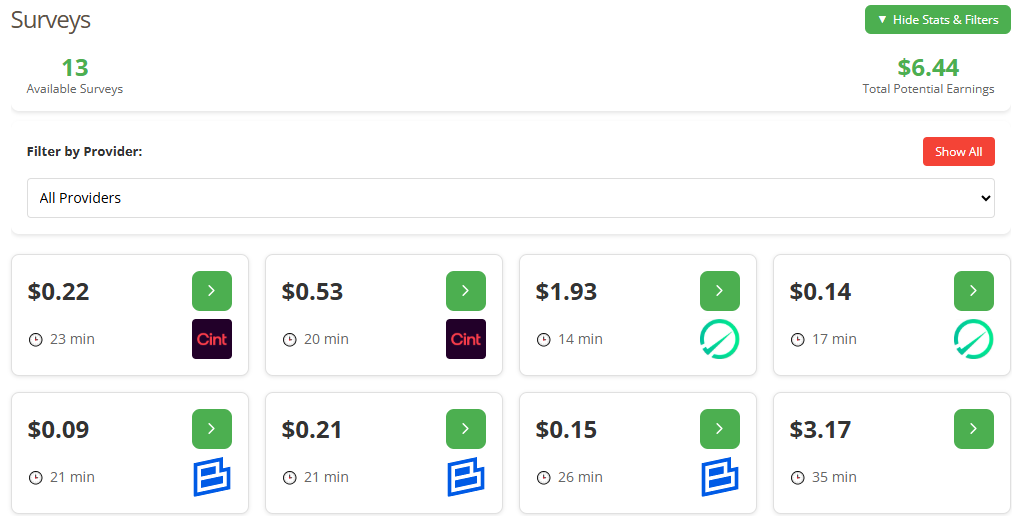
Get High Paying Surveys
Earn money online by completing simple surveys. No experience needed.
Start Earning →You’re tired of job hunting in Nairobi traffic. You’ve sent countless applications with no response. Your laptop is sitting idle while bills pile up. Sound familiar?
Here’s the good news: thousands of Kenyans are now earning steady income through online jobs in Kenya without leaving their homes. From Nairobi to Kisumu, from Mombasa to Eldoret, people with just a smartphone and internet connection are making real money.

This guide shows you exactly how to find legit online jobs Kenya offers, which platforms actually pay Kenyans, and how to avoid the scams that waste your time. Whether you’re a student in campus, a stay-at-home parent, or someone looking for side income, you’ll find practical opportunities here.
Let’s get straight to what works.
What Are Online Jobs in Kenya?
Online jobs are work opportunities you can do remotely using a computer or smartphone with internet access. You complete tasks, deliver services, or create content for clients worldwide, and get paid digitally—often through M-Pesa, PayPal, or direct bank transfer.
These jobs don’t require you to commute to an office. You work from home, a cybercafe, or anywhere with internet. The work itself varies widely: writing articles, designing graphics, teaching English, managing social media, data entry, customer service, and much more.

The key difference from traditional employment? You’re not limited to Kenyan employers. You can work for companies in the US, UK, Europe, or anywhere else, earning in dollars or euros while living in Kenya.
Why Online Jobs Are Growing Fast in Kenya
Kenya has become one of Africa’s leading countries for remote work. Here’s why:
Internet penetration is rising. With affordable data bundles and expanded 4G coverage, more Kenyans can access online platforms. Safaricom, Airtel, and Telkom packages make it possible to work online without breaking the bank.
Mobile money is everywhere. M-Pesa has made it incredibly easy to receive payments. Many international platforms now support M-Pesa withdrawals, solving the payment problem that used to block Kenyans.
High unemployment rates. With limited formal jobs, especially for young graduates, online work offers an alternative path to income. You don’t need connections or years of experience to start.
Global demand for remote talent. Companies worldwide are hiring remotely to cut costs. They’re looking for skilled workers who charge less than local talent in expensive countries. Kenyan workers fit this need perfectly.

Proven success stories. More Kenyans are sharing their online earning journeys on social media, proving it’s possible and inspiring others to try.
Requirements to Start Working Online in Kenya
You don’t need much to begin your journey with work from home Kenya opportunities. Here’s what’s essential:
A reliable internet connection. You need consistent internet access. Home WiFi is ideal, but affordable data bundles work too. Budget at least Ksh 1,000-2,000 monthly for data.

A computer or smartphone. For most jobs, a laptop or desktop works best. However, some tasks like social media management or simple data entry can be done on a good smartphone.
Basic digital skills. You should know how to use email, browse websites, download files, and use basic software like Microsoft Word or Google Docs.
Payment account. Set up M-Pesa (obviously), and create accounts on PayPal, Payoneer, or Skrill. Some platforms pay through these international services before you transfer to M-Pesa.
Identification documents. Most legitimate platforms require ID verification. Have your national ID, passport, or other government ID ready.
Specific skills (depending on the job). Writing requires good English. Graphic design needs software knowledge. Virtual assistance requires organizational skills. Match your existing skills to the right opportunities.
Patience and consistency. This isn’t a get-rich-quick scheme. Building your online income takes time, sometimes 2-3 months before you see steady earnings.
15+ Legit Online Jobs in Kenya That Actually Pay
Let’s look at real online employment Kenya opportunities with proven payment records:
1. Freelance Writing and Content Creation
Kenyan writers are in high demand for blog posts, articles, website content, and social media posts. Companies need content to rank on Google and engage customers.
Platforms: Upwork, Fiverr, Contently, iWriter, TextBroker, Freelancer
Earnings: Ksh 200-1,500 per 500-word article (beginners start lower, experienced writers earn more)
Skills needed: Good English writing, basic SEO knowledge helps
2. Virtual Assistant Services
Virtual assistants handle administrative tasks for businesses: scheduling appointments, managing emails, data entry, customer service, calendar management.
Platforms: Belay, Time Etc, Fancy Hands, Upwork, Remote.co
Earnings: Ksh 30,000-80,000 monthly (depends on hours and clients)
Skills needed: Organization, communication, basic computer skills, reliability
3. Online Tutoring and Teaching
Teach English to students in China, Japan, or Korea. Or tutor Kenyan students in math, science, or other subjects through online platforms.
Platforms: Preply, Cambly, Chegg Tutors, iTalki, Amazing Talker
Earnings: Ksh 500-1,500 per hour (English teaching pays better with TEFL certification)
Skills needed: Subject expertise, patience, good internet and webcam
4. Graphic Design and Creative Work
Design logos, social media graphics, posters, business cards, and marketing materials for clients worldwide.
Platforms: 99designs, Fiverr, Upwork, DesignCrowd, Dribbble
Earnings: Ksh 2,000-20,000 per project (logos and branding pay more)
Skills needed: Adobe Photoshop, Illustrator, or free tools like Canva
5. Social Media Management
Manage Facebook, Instagram, Twitter, and TikTok accounts for businesses. Create posts, respond to comments, grow followers, run ads.
Platforms: Upwork, Fiverr, PeoplePerHour, direct client outreach
Earnings: Ksh 15,000-50,000 per client monthly
Skills needed: Understanding of social media trends, content creation, scheduling tools
6. Data Entry Jobs
Input information into databases, spreadsheets, or systems. Simple but requires accuracy and attention to detail.
Platforms: Clickworker, Amazon MTurk, Microworkers, Appen
Earnings: Ksh 5,000-25,000 monthly (depends on speed and hours)
Skills needed: Fast typing, accuracy, basic computer knowledge
7. Transcription Services
Listen to audio or video files and type out what’s being said. Medical and legal transcription pay more but require training.
Platforms: Rev, TranscribeMe, GoTranscript, Scribie
Earnings: Ksh 8,000-40,000 monthly (beginners start around Ksh 100-300 per audio hour)
Skills needed: Good listening, fast typing, headphones, quiet workspace
8. Online Surveys and Micro Tasks
Complete surveys, watch videos, test websites, or do small online tasks. Not a full income but good for side money.
Platforms: Toluna, Swagbucks, PrizeRebel, UserTesting, ySense
Earnings: Ksh 2,000-10,000 monthly (very variable)
Skills needed: Patience, consistency, time
9. Customer Service Representative
Handle customer inquiries via chat, email, or phone for international companies. Many hire Kenyans for their English proficiency.
Platforms: LiveWorld, Arise, Working Solutions, Remote.co
Earnings: Ksh 35,000-70,000 monthly
Skills needed: Good communication, problem-solving, patience, reliable internet
10. Website and App Testing
Test websites and apps for usability issues. Share your experience while navigating through sites.
Platforms: UserTesting, TryMyUI, Userlytics, TestingTime
Earnings: Ksh 1,000-1,500 per test (tests take 10-20 minutes)
Skills needed: Ability to speak thoughts aloud, follow instructions
11. Video Editing
Edit videos for YouTube creators, businesses, or marketers. Growing demand as video content explodes.
Platforms: Upwork, Fiverr, PeoplePerHour, Freelancer
Earnings: Ksh 3,000-30,000 per video project
Skills needed: Adobe Premiere Pro, Final Cut Pro, or DaVinci Resolve
12. Translation Services
Translate documents between English and Swahili, or other languages you speak fluently.
Platforms: Gengo, TranslatorsCafe, ProZ, Upwork
Earnings: Ksh 0.50-5 per word (depending on language pair and specialization)
Skills needed: Fluency in two languages, cultural understanding
13. Affiliate Marketing
Promote products through your blog, social media, or website. Earn commissions when people buy through your links.
Platforms: Amazon Associates, Jumia Affiliate, ShareASale, CJ Affiliate
Earnings: Ksh 5,000-200,000+ monthly (highly variable, takes time to build)
Skills needed: Marketing knowledge, content creation, patience
14. Selling Digital Products
Create and sell ebooks, courses, templates, or printables on platforms that handle payment and delivery.
Platforms: Gumroad, Teachable, Udemy, Etsy (for printables)
Earnings: Passive income, varies widely
Skills needed: Expertise in a topic, content creation
15. Programming and Web Development
Build websites, apps, or software for clients. High-paying if you have the technical skills.
Platforms: Toptal, Upwork, Freelancer, Gun.io, GitHub Jobs
Earnings: Ksh 50,000-300,000+ monthly (experienced developers earn more)
Skills needed: HTML, CSS, JavaScript, Python, or other programming languages
How Online Jobs Work: Step-by-Step Guide
Getting started with remote jobs Kenya follows a similar pattern across most platforms:
Step 1: Choose your niche. Pick jobs that match your skills. If you write well, start with content writing. If you’re organized, try virtual assistance. Don’t spread yourself too thin initially.
Step 2: Create accounts on job platforms. Sign up for 3-5 platforms that offer your chosen type of work. Complete your profile fully with a professional photo, clear description of skills, and any relevant experience.
Step 3: Build a simple portfolio. Even without paid experience, create samples. Writers can publish articles on Medium. Designers can create sample logos. Show what you can do.
Step 4: Start with small jobs. Don’t wait for the perfect, high-paying gig. Take small jobs to build reviews and ratings. Your reputation on these platforms matters more than individual job pay at the start.
Step 5: Submit proposals or applications. On platforms like Upwork, you’ll bid on jobs. Write personalized proposals explaining why you’re right for each job. Generic copy-paste proposals rarely work.
Step 6: Deliver quality work on time. Once you land a job, over-deliver. Submit before the deadline. Communicate clearly. Ask questions if anything is unclear. Good reviews lead to repeat clients.
Step 7: Request payment and withdraw. After completing work and getting client approval, request payment through the platform. Most hold funds briefly, then release them to your account. Withdraw to M-Pesa, PayPal, or your bank.
Step 8: Build relationships with good clients. When you find clients who pay well and treat you fairly, do excellent work for them. They’ll hire you repeatedly, giving you stable income.
Payment Methods for Online Jobs in Kenya
Getting paid is crucial. Here’s how payments work for online employment Kenya:
M-Pesa
The easiest method for Kenyans. Some platforms pay directly to M-Pesa. Others require you to transfer from PayPal or Payoneer to M-Pesa first.
Pros: Instant access, widely accepted, easy to use
Cons: Some platforms don’t support direct M-Pesa payments yet
PayPal
Most international platforms support PayPal. You can withdraw from PayPal to your Kenyan bank account or M-Pesa.
Pros: Widely accepted globally, buyer protection
Cons: High withdrawal fees to Kenya (around 2-3%), currency conversion fees
Payoneer
Popular among freelancers. Receive payments from clients worldwide, then withdraw to your local bank or M-Pesa.
Pros: Lower fees than PayPal, good exchange rates, Mastercard included
Cons: Minimum withdrawal amounts, setup takes time
Direct Bank Transfer
Some employers pay directly to your Kenyan bank account via wire transfer or international ACH.
Pros: Professional, large amounts supported
Cons: Can take 3-5 business days, some banks charge receiving fees
Skrill
Alternative to PayPal with slightly better fees for some transactions.
Pros: Multiple withdrawal options
Cons: Less widely supported than PayPal
Pro tip: Set up multiple payment methods. Some clients prefer PayPal, others use Payoneer. Having options means you won’t miss opportunities.
How Much Can You Realistically Earn?
Let’s be honest about earnings from work from home Kenya opportunities. The truth depends on several factors:
Beginners (First 3 months): Ksh 5,000-20,000 monthly
When starting, you’ll earn less as you build your reputation and learn how platforms work. This phase requires patience.
Intermediate (6-12 months): Ksh 25,000-60,000 monthly
With good reviews and steady clients, you can earn a decent income comparable to entry-level Kenyan jobs.
Experienced (1+ years): Ksh 70,000-200,000+ monthly
Skilled freelancers with strong portfolios and repeat clients can earn as much as mid-level professionals in Nairobi.
Top performers: Ksh 300,000+ monthly
Expert developers, designers, and specialized consultants can earn exceptional income, but this takes years of skill development.
Factors affecting your earnings:
- Your skill level and experience
- Time invested (part-time vs. full-time)
- Type of work (programming pays more than data entry)
- Quality of your work and client reviews
- Consistency and reliability
- Marketing yourself effectively
Reality check: You won’t make Ksh 100,000 in your first month. Anyone promising quick riches is lying. Treat this as a real career that requires learning and patience.
Common Online Job Scams in Kenya and How to Avoid Them
Scammers target desperate job seekers. Here’s how to protect yourself:
Registration Fee Scams
Red flag: Any platform asking for money upfront to “register” or “activate your account.”
Truth: Legitimate platforms are free to join. They make money by taking a percentage of your earnings, not from registration fees.
Fake Payment Promises
Red flag: Jobs promising Ksh 5,000 daily for simple tasks like clicking ads or copying and pasting.
Truth: No legitimate job pays such amounts for minimal work. If it sounds too good to be true, it is.
Pyramid and MLM Schemes
Red flag: Jobs requiring you to recruit others to earn money, or buy products first.
Truth: These are recruitment schemes, not real jobs. You’ll waste money and time.
Fake Check Scams
Red flag: Someone sends you a check, asks you to deposit it, then buy items or send money back.
Truth: The check is fake. By the time your bank discovers this, you’ve already sent real money to the scammer.
Advance Fee Fraud
Red flag: Winning a lottery or job you never applied for, but need to pay “processing fees” to claim it.
Truth: You didn’t win anything. This is a classic scam to steal your money.
Personal Information Theft
Red flag: Jobs asking for ID photos, M-Pesa PIN, or bank passwords before hiring you.
Truth: While ID verification is normal, no legitimate employer needs your M-Pesa PIN or passwords. They’re trying to steal your money.
How to stay safe:
- Research every platform before joining
- Never pay to get a job
- Use secure platforms with escrow protection
- Don’t share sensitive financial information
- Trust your instincts—if something feels wrong, it probably is
- Start with well-known platforms like Upwork, Fiverr, or Freelancer
Tips to Succeed in Online Jobs in Kenya
Want to maximize your earnings from legit online jobs Kenya offers? Follow these proven strategies:
Start with what you know. Don’t learn a completely new skill just to work online. If you’re good at writing, start there. If you understand social media, offer management services. Build on existing strengths.
Invest in your skills. Take free courses on Coursera, YouTube, or Udemy. Learn SEO for writing, design principles for graphics, or time management for virtual assistance. Better skills mean higher pay.
Build a professional online presence. Create a LinkedIn profile. Start a simple portfolio website. Join Facebook groups for Kenyan freelancers. Visibility leads to opportunities.
Network with other Kenyan freelancers. Join communities where experienced workers share tips, warn about scam platforms, and support each other. Facebook groups like “Kenyan Freelance Writers” or “Kenya Remote Workers” are helpful.
Communicate clearly and professionally. Good English and professional communication set you apart. Respond to messages promptly. Update clients on progress. Clear communication builds trust.
Deliver more than expected. Submit work early. Add extra value when possible. Over-delivering turns one-time clients into repeat customers.
Manage your time like a business. Set working hours. Track your tasks. Meet deadlines consistently. Treat this like a real job, not a hobby.
Handle your money wisely. Online income can be irregular. Save during good months. Don’t spend all your earnings immediately. Budget for internet, electricity, and emergency expenses.
Keep learning and adapting. The online job market changes fast. Stay updated on new platforms, emerging skills, and changing client needs. Adapt or get left behind.
Don’t give up too soon. Most people quit after two weeks because they don’t see immediate results. Success takes 2-3 months minimum. Stay consistent.
Pros and Cons of Online Jobs in Kenya
Let’s be balanced about remote jobs Kenya opportunities:
Advantages
Work from anywhere. No matatus, no traffic, no office politics. Work from home, a café, or while visiting family upcountry.
Flexible schedule. Many online jobs let you choose your hours. Work when you’re most productive or around other commitments.
Global opportunities. Access clients worldwide, not just Kenyan employers. This multiplies your job options exponentially.
Earn in foreign currency. When paid in dollars or euros, you benefit from favorable exchange rates. Ksh 150 per dollar adds up.
Lower expenses. Save money on transport, office clothes, and lunch. Your biggest costs are internet and electricity.
Skill development. You’ll learn new digital skills that are increasingly valuable in the modern economy.
Multiple income streams. Nothing stops you from working for several clients or on different platforms simultaneously.
Disadvantages
Irregular income initially. Unlike a salary job, earnings can vary month to month, especially when starting.
No employee benefits. You won’t get health insurance, pension contributions, or paid leave unless you arrange them yourself.
Self-discipline required. Without a boss watching, you must motivate yourself. Distractions at home can derail productivity.
Internet dependency. No internet means no work and no income. Power outages and data costs are real concerns in Kenya.
Initial learning curve. Understanding how platforms work, landing first clients, and building reputation takes time and effort.
Isolation. Working alone from home can be lonely compared to office camaraderie.
Payment delays. Some platforms hold payments for weeks. International transfers can take days.
Scam risk. You must stay vigilant against fraudulent job offers and platforms.
Is Online Work Worth It in Kenya?
Absolutely—if you approach it realistically.
Online jobs won’t make you rich overnight. They won’t solve all your financial problems in a week. But they offer something valuable: a genuine opportunity to earn income using skills you already have or can learn.
For students, it’s a way to pay fees or pocket money without leaving campus. For unemployed graduates, it’s income while job hunting. For stay-at-home parents, it’s flexibility to earn around childcare. For side-hustlers, it’s extra money beyond your day job.
The question isn’t whether online jobs work in Kenya—they do. Thousands of Kenyans prove this daily. The question is whether you’re willing to invest the time and effort needed to succeed.
If you’re patient, consistent, and willing to learn, online jobs in Kenya can provide meaningful income and valuable skills for the digital economy.
Frequently Asked Questions (FAQs)
Are online jobs in Kenya legit or scams?
Both exist. Legitimate platforms like Upwork, Fiverr, and Freelancer have thousands of Kenyan users earning real money. However, scams also target job seekers. Stick to well-known platforms, never pay to register, and research any opportunity thoroughly before committing time or money.
Can I do online jobs with just a smartphone in Kenya?
Yes, but with limitations. Some tasks like surveys, simple data entry, and social media management work on smartphones. However, most higher-paying jobs like writing, design, programming, or transcription require a computer for efficiency and proper tools. Start with what you have, then upgrade.
How do I receive payments from online jobs in Kenya?
Most platforms pay via PayPal, Payoneer, or direct bank transfer. You can then transfer funds from PayPal or Payoneer to M-Pesa or your Kenyan bank account. Some newer platforms now support direct M-Pesa payments. Set up multiple payment accounts to have flexibility with different clients.
How much internet data do I need for online work in Kenya?
This depends on your job type. Writing and data entry use minimal data—about 1-2GB weekly. Video calls for tutoring or meetings need more—around 500MB per hour. Video editing or downloading large files requires even more. Budget Ksh 1,000-2,500 monthly for data, or invest in home WiFi for consistent work.
Which online job pays the most in Kenya?
Programming and web development typically pay highest (Ksh 50,000-300,000+ monthly for experienced developers), followed by specialized consulting, video editing, and copywriting. However, these require significant skills. For beginners, virtual assistance, transcription, and content writing offer better entry points with reasonable pay (Ksh 15,000-60,000 monthly).
Do I need special qualifications to work online in Kenya?
Most online jobs don’t require formal qualifications, but you need relevant skills. Writing requires good English. Design needs software knowledge. Programming demands coding skills. Virtual assistance needs organization and communication. Focus on demonstrating your abilities through portfolios and samples rather than certificates.
How long before I earn my first money from online jobs?
Most beginners earn their first payment within 2-4 weeks of consistent effort. However, building steady income takes 2-3 months. Don’t expect immediate results. Use this initial period to learn the platforms, build your profile, complete small jobs for reviews, and establish yourself as reliable.
Conclusion
Online jobs in Kenya have moved from experimental side hustles to legitimate income sources for thousands of people. Whether you’re in Nairobi, Kisumu, Mombasa, Nakuru, or any town with internet access, opportunities exist to earn money from your skills.
The key is starting with realistic expectations. You won’t replace a full salary immediately. You’ll face challenges with irregular income, scam attempts, and the learning curve of new platforms. But if you stay consistent, choose legitimate platforms, and continuously improve your skills, online work can provide meaningful income.
Start small today. Create an account on one platform. Build a simple portfolio. Apply for your first job. The journey from Ksh 0 to Ksh 50,000 monthly begins with taking that first step.
Remember: every successful Kenyan freelancer earning six figures started exactly where you are now—knowing nothing, earning nothing, but willing to learn.
Your digital income journey starts today. Choose one opportunity from this guide and take action.
Good luck, and stay safe from scams!