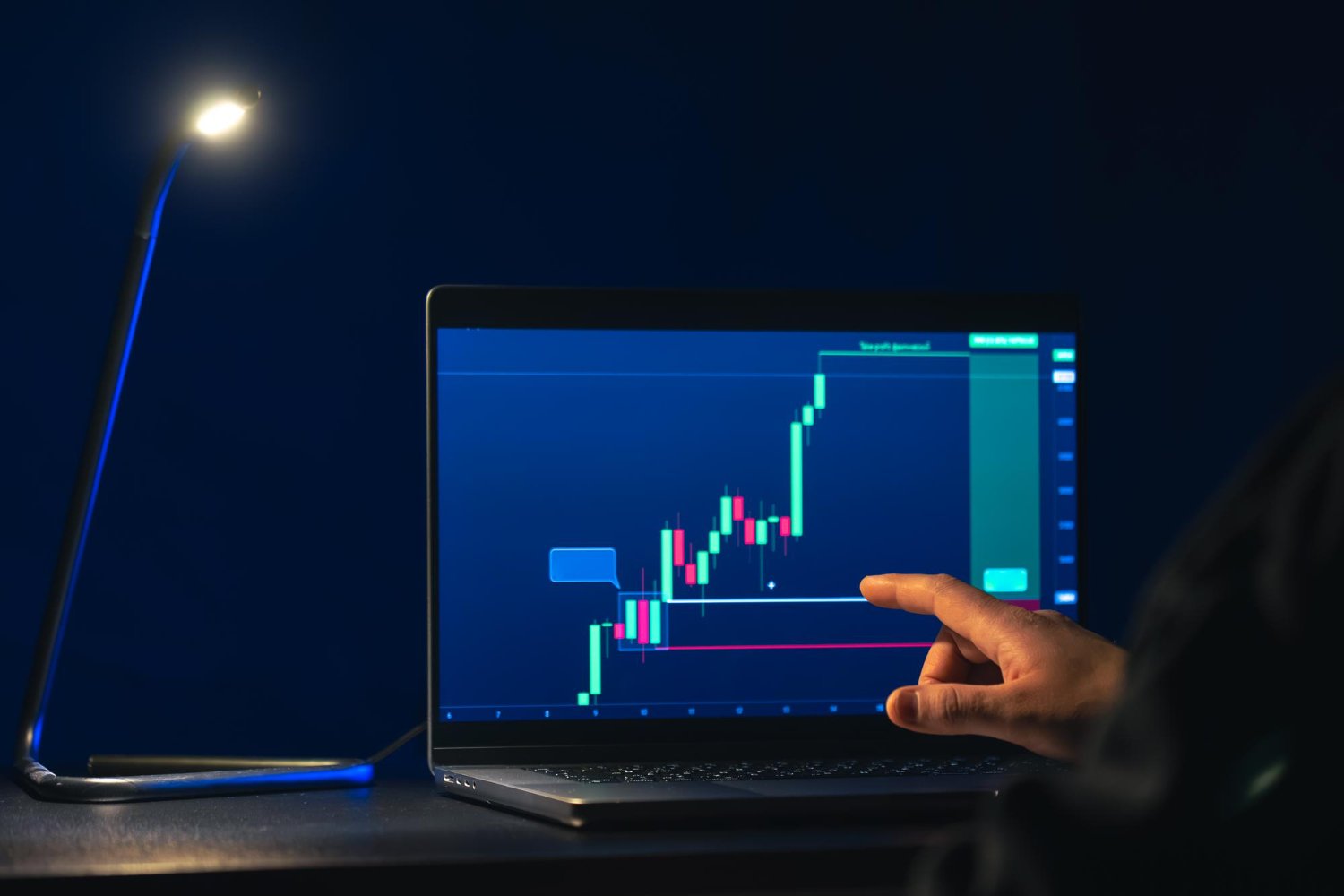
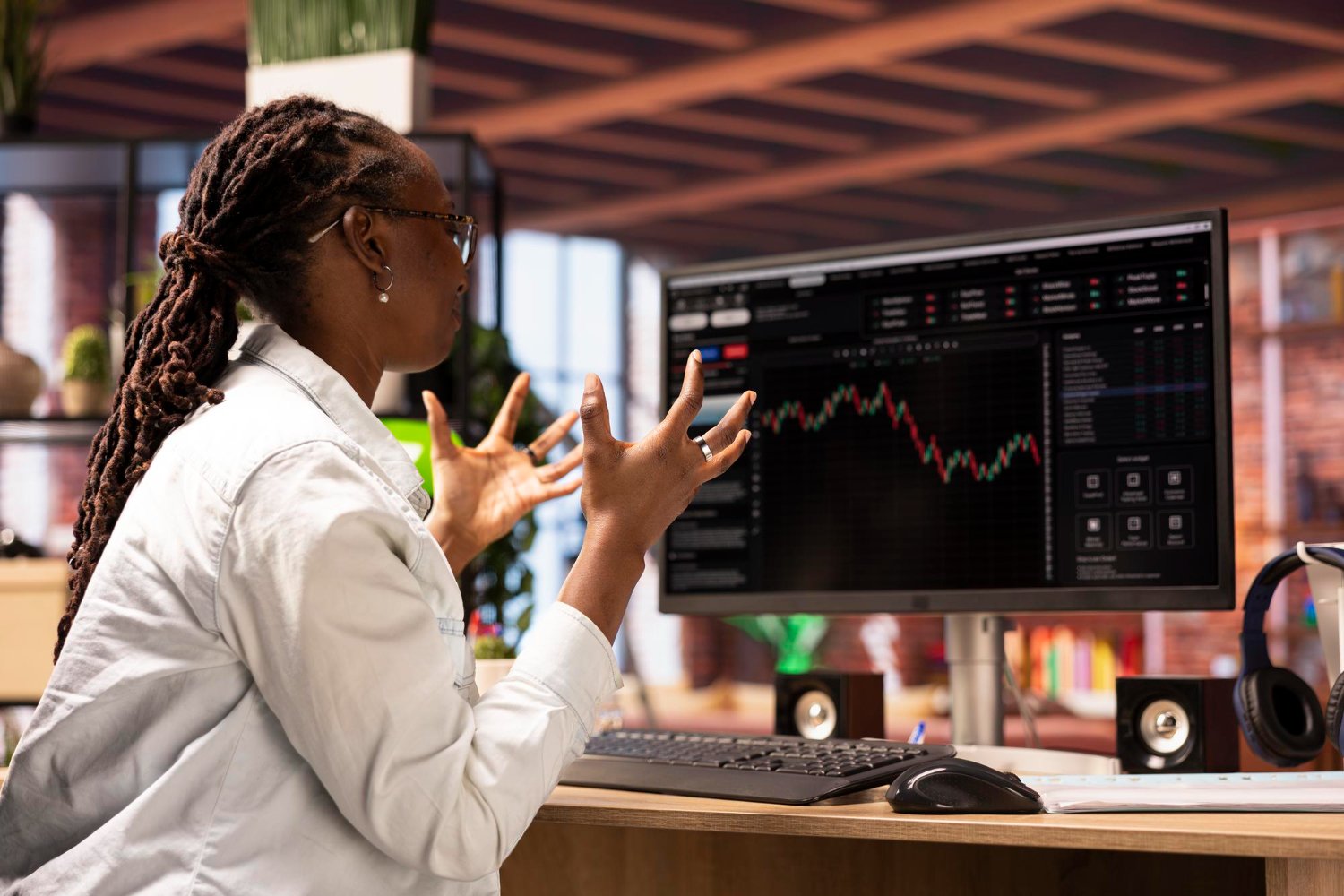
Is forex trading profitable? Yes, forex trading can be profitable, but the reality is that most beginners lose money. Studies show that approximately 70-80% of retail forex traders lose money, while only a small percentage achieve consistent profitability. Success depends on education, risk management, discipline, and realistic expectations rather than luck.
This article provides an honest examination of forex profitability, explaining what determines success, how much traders realistically earn, the challenges you’ll face, and what you need to know before risking your money. We’ll separate facts from marketing hype to help you make an informed decision.

What Does “Profitable” Really Mean in Forex Trading?
Profitability in forex trading means consistently making more money than you lose over time, after accounting for all costs including spreads, commissions, and fees. It’s not about winning every trade or making massive gains on a single position.
Professional traders measure profitability through metrics like win rate (percentage of winning trades), risk-reward ratio (how much you make on winners versus lose on losers), and overall account growth percentage. A trader with a 40% win rate can still be profitable if their average winning trade makes significantly more than their average losing trade.
Real-life example: A trader with $10,000 makes 5% monthly after all costs. That’s $500 per month or $6,000 annually, representing 60% annual return. This would be considered highly successful in forex, yet many beginners expect to double or triple their accounts monthly, which is unrealistic.
The Reality: Why Most Forex Traders Lose Money
Understanding why the majority fail helps you avoid the same pitfalls:

Lack of Proper Education Many beginners start trading with minimal knowledge, relying on YouTube videos or free signals rather than developing genuine understanding of market mechanics, technical analysis, and risk management.
Unrealistic Expectations Marketing materials often showcase extraordinary returns, creating false expectations. Beginners enter expecting quick wealth and abandon their approach after initial losses instead of viewing trading as a long-term skill.
Poor Risk Management The primary reason traders blow their accounts is risking too much per trade. Without strict risk limits, a few bad trades can wipe out months of gains.
Emotional Trading Fear and greed drive poor decisions. Beginners close winning trades too early out of fear they’ll disappear, hold losing trades hoping for reversals, and make impulsive decisions after losses.
Overtrading The 24-hour forex market tempts traders to constantly look for opportunities. Overtrading increases transaction costs and leads to lower-quality trade setups.
Insufficient Capital Starting with too little money creates psychological pressure to make unrealistic returns. Traders with small accounts often use excessive leverage, amplifying losses.

Using Too Much Leverage While leverage allows controlling large positions with little capital, it magnifies losses as quickly as gains. High leverage is the fastest way to lose an entire account.
How Much Do Forex Traders Actually Make?
Realistic profit expectations depend on several factors, but here’s what you should know:
Beginner Traders (First Year) Most beginners lose money during their first year while learning. Those who survive this learning phase might break even or make small, inconsistent profits. Expecting to be profitable immediately is unrealistic.

Intermediate Traders (1-3 Years) After gaining experience, successful traders typically target 5-15% monthly returns. This might sound modest, but it compounds significantly over time. A 10% monthly return equals 214% annually (compounded).
Professional Traders Established professionals working for institutions or managing funds often target 20-50% annual returns, which is considered excellent performance. They prioritize consistency over spectacular gains.
Account Size Matters A 10% monthly return on $1,000 is $100. On $100,000, it’s $10,000. This is why many successful traders focus on growing their accounts steadily rather than withdrawing profits prematurely.
Realistic Monthly Goals Conservative target: 2-5% monthly Moderate target: 5-10% monthly
Aggressive target: 10-15% monthly
Anything beyond 15% monthly consistently is exceptionally rare and usually involves substantial risk.
Factors That Determine Forex Trading Profitability
Your success depends on these critical elements:
Trading Strategy Profitable traders use tested strategies with defined entry and exit rules. They know exactly when to enter trades, where to place stop losses, and when to take profits. Random trading without a system rarely succeeds.
Risk Management Successful traders never risk more than 1-2% of their account on a single trade. This ensures that even a streak of losses won’t devastate the account. Risk management is more important than any trading strategy.
Psychology and Discipline The ability to follow your trading plan without emotional interference separates winners from losers. Discipline means taking losses without revenge trading and taking profits without getting greedy.
Time and Effort Profitable trading requires continuous learning, market analysis, and strategy refinement. Traders who treat it as a part-time hobby rarely achieve the same results as those who dedicate serious time to improvement.
Starting Capital While you can start with small amounts, larger accounts provide more flexibility for proper risk management and less psychological pressure to generate unrealistic returns.
Market Conditions Some market environments favor certain strategies. Trending markets benefit trend-following approaches, while ranging markets suit different tactics. Adaptable traders perform better across various conditions.
Trading Costs Spreads, commissions, overnight fees, and slippage eat into profits. High-frequency traders must account for these costs carefully as they accumulate quickly.
Can Beginners Make Forex Trading Profitable?
Yes, but the path requires dedication and realistic expectations. Here’s what beginners need to understand:
The Learning Curve is Steep Plan for at least 6-12 months of education and practice before expecting consistent profits. Most successful traders spent years developing their skills.
Start with Demo Trading Practice with virtual money until you can demonstrate consistent profitability over at least 3-6 months. Demo trading helps you test strategies without financial risk.
Small Wins Add Up Focus on consistent small gains rather than home runs. A strategy that produces 2-3% weekly gains compounds to extraordinary annual returns.
Losses Are Part of the Process Even the best traders lose money on 40-50% of their trades. Success comes from making more on winners than you lose on losers, not from winning every trade.
Education is Non-Negotiable Invest time learning technical analysis, fundamental analysis, risk management, and trading psychology. Free resources exist, but quality education often requires investment.
Keep Your Day Job Don’t quit your income source to trade full-time until you’ve proven consistent profitability for at least a year and have substantial savings. The pressure of needing trading income usually leads to poor decisions.
Profitable Forex Trading Strategies for Beginners
While no strategy guarantees profits, these approaches have helped many traders succeed:
Trend Following This involves identifying the direction of the overall market trend and placing trades in that direction. The saying “the trend is your friend” exists because trending markets offer clearer opportunities than choppy, directionless markets.
Support and Resistance Trading Traders identify price levels where the market historically bounced or reversed, then place trades anticipating similar behavior. These levels represent areas where buying or selling pressure concentrates.
Price Action Trading This focuses on reading candlestick patterns and chart formations without relying heavily on indicators. Price action traders believe the price itself tells the complete market story.
Swing Trading Holding positions for several days to weeks to capture larger price movements. This approach requires less screen time than day trading and avoids the stress of constant monitoring.
Position Trading Taking long-term positions based on fundamental analysis and major economic trends. This suits traders who can’t dedicate hours daily to charts.
The best strategy for you depends on your personality, time availability, and risk tolerance. Test multiple approaches in demo accounts to find what works.
The Hidden Costs of Forex Trading
Beyond the obvious risks, consider these often-overlooked expenses:
Spreads and Commissions Every trade costs money through the bid-ask spread or broker commissions. These seem small per trade but accumulate significantly, especially for frequent traders.
Overnight Holding Fees Positions held overnight incur swap fees (positive or negative) based on interest rate differentials between the currency pairs.
Slippage During volatile periods or with large orders, your trade may execute at a different price than expected, costing you money.
Education and Tools Quality education courses, trading platforms, VPS hosting for automated strategies, and news subscriptions all represent ongoing costs.
Emotional and Time Costs Stress, anxiety, and the time required to research, plan, and execute trades have real costs, even if they don’t appear in your account statement.
Warning Signs of Unrealistic Forex Profit Claims
Be skeptical when you encounter these red flags:
Guaranteed Returns No legitimate trader or system can guarantee profits. Anyone making such claims is either inexperienced or trying to scam you.
Get Rich Quick Promises Claims like “Turn $100 into $10,000 in a month” are designed to sell courses or signals, not reflect trading reality.
100% Win Rate Claims Even the best traders lose regularly. Anyone claiming they never lose is lying.
Pressure to Invest Immediately Legitimate education or broker services don’t pressure you to deposit money quickly. High-pressure tactics indicate potential fraud.
Unregulated Brokers Brokers without proper licensing from recognized authorities pose significant risks. Your money may not be protected, and withdrawal problems are common.
Signal Services Guaranteeing Profits While some signal services provide value, none can guarantee you’ll make money. You still need to understand why you’re taking each trade.
Steps to Improve Your Forex Trading Profitability
Follow this roadmap to increase your chances of success:
Step 1: Get Proper Education Study technical analysis, fundamental analysis, risk management, and trading psychology from reputable sources. Consider paid courses from verified professionals if budget allows.
Step 2: Develop a Trading Plan Document your strategy including which pairs you’ll trade, what timeframes, entry/exit criteria, risk per trade, and how you’ll manage positions.
Step 3: Practice on Demo Spend at least 3-6 months trading on a demo account. Track your results and only move to real money when you’re consistently profitable.
Step 4: Start Very Small Begin with the minimum amount you can afford to lose completely. Use micro lots to keep losses manageable while you gain real-money experience.
Step 5: Keep a Trading Journal Record every trade with screenshots, your reasoning, emotions felt, and outcomes. Review weekly to identify patterns in your decision-making.
Step 6: Focus on Risk Management Never risk more than 1-2% per trade. Use stop losses on every position. Accept that losses are part of trading.
Step 7: Control Your Emotions Develop routines to maintain emotional balance. Take breaks after losses. Don’t trade when angry, stressed, or overly excited.
Step 8: Review and Adapt Analyze your performance monthly. Identify what’s working and what isn’t. Adjust your approach based on data, not emotions.
Step 9: Scale Gradually As you prove consistent profitability, slowly increase position sizes. Never jump from micro lots to standard lots without intermediate steps.
Step 10: Continue Learning Markets evolve, and so must you. Successful traders never stop learning and refining their approach.
Frequently Asked Questions About Forex Profitability
Is forex trading profitable for beginners? Forex trading is rarely profitable for beginners initially. Most beginners lose money while learning due to lack of experience, poor risk management, and unrealistic expectations. However, beginners who invest time in education, practice extensively on demo accounts, and approach trading as a long-term skill can eventually become profitable.
How much can you realistically make from forex trading? Realistic monthly returns for experienced traders range from 2-15%, depending on risk tolerance and skill level. A beginner who survives the learning phase might eventually target 5-10% monthly. Professional traders often aim for 20-50% annually. Anything beyond 15% monthly consistently is exceptionally rare and involves substantial risk.
What percentage of forex traders are profitable? Studies indicate that only 20-30% of retail forex traders are consistently profitable, meaning 70-80% lose money. Among those who are profitable, only a small fraction make substantial income. These statistics highlight the importance of proper education and realistic expectations.
Can you make a living from forex trading? Yes, but it’s challenging and requires substantial capital, consistent profitability over years, and treating trading as a serious business. Most professionals recommend having at least $50,000-$100,000 in trading capital and 1-2 years of proven profitability before attempting to trade for a living. Keep your job while building your trading account and skills.
Why do most forex traders fail to be profitable? The main reasons are poor risk management (risking too much per trade), lack of education, emotional decision-making, unrealistic expectations, overtrading, using excessive leverage, and insufficient capital. Many beginners treat forex as gambling rather than as a skill requiring dedication, discipline, and continuous learning.
How long does it take to become profitable in forex trading? Most successful traders require 1-3 years of dedicated learning and practice before achieving consistent profitability. Some take longer, while a small percentage succeed faster. The timeline depends on your education approach, time commitment, psychological resilience, and ability to learn from mistakes.
Is forex trading more profitable than stocks? Neither is inherently more profitable. Both require skill, discipline, and risk management. Forex offers 24-hour trading and higher leverage, while stocks have less volatility and clearer long-term trends. Your profitability depends more on your skill, strategy, and discipline than on which market you trade.
Do forex trading bots guarantee profits? No, forex trading bots (automated trading systems) do not guarantee profits. While some algorithmic strategies work in certain market conditions, no bot works consistently across all market environments. Successful automation requires understanding the strategy behind the bot, continuous monitoring, and adjustments. Many bots sold online are scams or stop working after market conditions change.
The Bottom Line: Is Forex Trading Worth It?
Forex trading can be profitable, but it’s not a guaranteed path to wealth or suitable for everyone. Success requires treating it as a serious business, investing significant time in education, practicing extensively, managing risk strictly, and maintaining realistic expectations.
If you’re willing to dedicate yourself to learning, can afford to lose your initial investment while gaining experience, and approach trading with discipline and patience, forex can potentially become a profitable venture. However, if you’re looking for quick money, can’t afford losses, or aren’t willing to invest substantial time in skill development, forex trading likely isn’t appropriate for you.
Most importantly, never invest money you can’t afford to lose. Start small, focus on learning rather than earning initially, and only increase your investment as you demonstrate consistent profitability over an extended period.
Remember that this article provides educational information only and is not financial advice. Trading forex involves substantial risk of loss. Consider your financial situation, risk tolerance, and investment objectives carefully. If uncertain, consult with a qualified financial advisor before trading.