How to Start a Blog and Make Money: Complete Beginner’s Guide

Get High Paying Surveys
Earn money online by completing simple surveys. No experience needed.
Start Earning →To start a blog and make money, choose a profitable niche, set up your blog using WordPress with hosting (Bluehost or SiteGround), create valuable content consistently, build an audience through SEO and social media, then monetize through ads, affiliate marketing, or digital products. Most bloggers earn income after 6–12 months of consistent effort.
Introduction
Starting a blog sounds exciting, but making actual money from it? That’s where most beginners get stuck.
You’ve probably seen claims about bloggers earning thousands of dollars monthly while working from their laptops. Some of those stories are real, but the path isn’t as simple as “write posts and watch money roll in.”
The good news? Anyone can start a blog and make money if they follow the right steps and stay consistent.
In this beginner blogging guide, you’ll learn exactly how to start a blog for beginners, the realistic timeline for making money blogging, and the proven strategies that actually work. No fluff, no exaggerated promises—just practical advice you can start using today.
Whether you want to replace your full-time income or just earn extra cash on the side, this blogging step by step tutorial will show you the complete process.
What is Starting a Blog and Making Money?
Starting a blog means creating your own website where you publish articles, guides, tutorials, or stories about topics you know and care about.
Making money from a blog happens when you turn your content and audience into revenue. This can happen through advertisements, recommending products for commissions, selling your own courses or ebooks, or offering services.
Think of your blog as digital real estate. You build it once, maintain it regularly, and it can generate income for months or even years after you publish each piece of content.
The process combines writing, marketing, and basic business skills. But don’t worry—you don’t need to be a tech expert or professional writer to succeed.
Why Starting a Blog and Making Money Matters
Blogging offers unique advantages that traditional jobs and businesses don’t provide.
Low startup costs make blogging accessible to almost everyone. You can start a blog for beginners with less than $100 for the entire first year. Compare that to opening a physical store or even most online businesses.
Flexible schedule means you work when you want. Write at 5 AM before your day job, during lunch breaks, or late at night after the kids sleep. Your blog doesn’t care when you work on it.
Multiple income streams become possible once your blog grows. You’re not limited to one way of making money blogging. Many successful bloggers earn from ads, affiliates, courses, coaching, and sponsored content simultaneously.
Passive income potential is perhaps the biggest draw. After you publish a well-optimized article, it can bring visitors and generate income for years with minimal updates.
Personal brand building happens naturally as you share your knowledge. This opens doors to speaking opportunities, consulting gigs, and partnerships you never imagined.
The online content industry continues growing. Google processes over 8.5 billion searches daily, and people are constantly looking for answers, solutions, and recommendations. Your blog can be the resource they find.
Step-by-Step Guide to Start a Blog and Make Money
Step 1: Choose Your Profitable Niche
Your niche determines everything—your audience, content topics, and income potential.
Pick something that balances three factors: your interest, your knowledge, and market demand.
Interest matters because you’ll write hundreds of articles. If you hate your topic after three months, you’ll quit before seeing results.
Knowledge gives you authority. You don’t need to be the world’s top expert, but you should know more than your target readers or be willing to learn alongside them.
Market demand ensures people actually search for your content and companies want to advertise in your space.
Profitable niches include personal finance, health and fitness, technology, parenting, travel, food and recipes, DIY and home improvement, and online business.
Avoid niches that are too broad like “lifestyle” or too narrow like “left-handed guitar players in Texas.” Find the sweet spot where you can become a recognized voice.
Step 2: Select Your Blogging Platform and Hosting
WordPress.org powers over 43% of all websites and gives you complete control. This is different from WordPress.com, which has limitations.
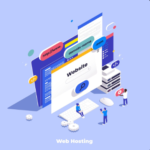
You need two things: a domain name (your blog’s address like yourblog.com) and web hosting (where your blog’s files live).
Recommended hosting providers for beginners:
Bluehost offers WordPress hosting starting at $2.95 monthly with a free domain included. Their setup process is specifically designed for beginners.
SiteGround provides excellent customer support and faster loading speeds. Plans start at $3.99 monthly.
HostGator gives you unlimited storage and bandwidth on budget-friendly plans starting at $2.75 monthly.
Avoid free hosting services. They put ads on your blog, limit your monetization options, and can delete your content without warning.
Step 3: Set Up Your Blog
After purchasing hosting, you’ll install WordPress with one click through your hosting dashboard.
Next, choose a theme that determines your blog’s appearance. Free themes like Astra, GeneratePress, or Kadence work perfectly for beginners.
Install essential plugins:
- Yoast SEO for search engine optimization
- Akismet for spam protection
- UpdraftPlus for automatic backups
- WP Rocket for speed optimization
Create important pages: About (tell your story), Contact (let readers reach you), Privacy Policy (required for ads), and Disclaimer (protects you legally).
Set your permalink structure to “Post name” in Settings > Permalinks. This makes your URLs SEO-friendly.
This entire setup process takes 2–3 hours even for complete beginners. Most hosting companies offer free setup assistance if you get stuck.
Step 4: Create High-Quality Content
Content is the foundation of everything. Without valuable articles, nobody visits your blog, and you can’t make money blogging.
Start with keyword research. Use free tools like Google Keyword Planner, AnswerThePublic, or Ubersuggest to find what people search for in your niche.
Look for keywords with decent search volume (500+ monthly searches) but lower competition. These “long-tail keywords” are easier to rank for as a new blogger.
Write comprehensive articles that genuinely help readers solve problems. Aim for 1,500–2,500 words for pillar content and 800–1,500 words for regular posts.
Content creation tips:
Use conversational language like you’re talking to a friend. Break up text with subheadings every 200–300 words. Add images, screenshots, or graphics to illustrate points. Include examples and personal experiences when relevant. Answer the reader’s question within the first 200 words.
Publish consistently. Whether that’s twice weekly or once weekly doesn’t matter as much as sticking to your schedule. Your first 30 articles won’t be perfect—that’s normal and expected.
Step 5: Drive Traffic to Your Blog
Creating content is only half the battle. You need people to actually read it.
Search engine optimization (SEO) brings free, consistent traffic. Optimize each post with your target keyword in the title, first paragraph, subheadings, and naturally throughout the content. Add internal links connecting your articles together. Build backlinks by guest posting on other blogs in your niche.
Social media marketing expands your reach. Choose one or two platforms where your audience hangs out. Pinterest works brilliantly for food, DIY, and lifestyle blogs. LinkedIn suits business and professional content. Instagram attracts fashion, travel, and photography audiences.
Email marketing builds a direct connection with readers. Offer a free resource (checklist, ebook, template) in exchange for email addresses. Send weekly newsletters with your best content and exclusive tips.
Engage in communities where your readers gather. Answer questions on Reddit, Quora, and niche-specific forums. Provide helpful responses and occasionally mention your relevant blog posts.
Traffic grows slowly at first. Expect 100–500 visitors monthly in your first three months, then exponential growth as Google recognizes your authority.
Step 6: Monetize Your Blog
Once you have consistent content and traffic (ideally 5,000+ monthly visitors), you can start earning.
Display advertising is the simplest method. Google AdSense accepts beginners and places automatic ads on your blog. You earn money when visitors view or click ads. Expect $5–$25 per 1,000 page views with AdSense.
Join premium ad networks like Mediavine (requires 50,000 sessions) or Ezoic (requires 10,000 visitors) later for $15–$40 per 1,000 page views.
Affiliate marketing typically generates more income than ads. Recommend products you genuinely use and earn commissions (5%–50%) when readers purchase through your links.
Join Amazon Associates for physical products, ShareASale and CJ Affiliate for diverse merchants, or individual company programs in your niche.
Sponsored content means companies pay you to write articles featuring their products or services. Rates range from $100 to $1,000+ per post depending on your traffic and niche.
Digital products offer the highest profit margins. Create and sell ebooks, online courses, templates, printables, or membership sites teaching your expertise.
Services and coaching work well if you’re an expert. Offer consulting, freelance writing, design services, or one-on-one coaching to readers who want personalized help.
Don’t try every monetization method immediately. Start with ads or affiliate marketing, then add other income streams as you grow.
Tools, Platforms, and Resources You Need
Essential Tools
Hosting: Bluehost, SiteGround, or HostGator ($3–$10 monthly)
Domain name: Included with hosting or purchased separately ($10–$15 yearly)
WordPress: Free content management system
Email marketing: ConvertKit or MailerLite (free up to 1,000 subscribers)
Graphics: Canva for creating images and Pinterest pins (free with premium option)
SEO tools: Google Search Console and Google Analytics (free)
Helpful But Optional
Keyword research: Ubersuggest, SEMrush, or Ahrefs (paid but powerful)
Grammar checking: Grammarly or ProWritingAid
Social media scheduling: Buffer or Tailwind
Page builders: Elementor or Beaver Builder for custom page designs
Backup and security: UpdraftPlus and Wordfence (both have free versions)
You don’t need every tool from day one. Start with the essentials and add tools as your blog grows and generates income.
Common Mistakes to Avoid
Expecting quick money is the biggest mistake. Most bloggers quit within three months because they don’t see immediate income. Building a profitable blog takes 6–12 months minimum.
Choosing too many niches confuses readers and search engines. Stick to one main topic until you establish authority.
Ignoring SEO means your content never gets found. Learn basic optimization or your articles will sit invisible in search results.
Publishing inconsistently tells Google your blog isn’t active. Set a realistic schedule you can maintain long-term.
Copying other bloggers leads to duplicate content penalties. Use other blogs for inspiration but write in your own voice with unique perspectives.
Obsessing over design before content wastes time. Your blog doesn’t need to be perfect—it needs helpful articles that solve problems.
Not building an email list from day one is a huge missed opportunity. Email subscribers become your most loyal readers and customers.
Giving up too early prevents you from seeing results. Most successful bloggers wanted to quit multiple times but pushed through the difficult early months.
Realistic Expectations and Timeline
Understanding the typical blogging timeline helps you stay motivated during slow periods.
Months 1–3: You’re learning everything—writing, SEO, WordPress, promotion. Expect 100–1,000 monthly visitors and zero to minimal income. This is the foundation-building phase.
Months 4–6: Your older content starts ranking in Google. Traffic grows to 1,000–5,000 monthly visitors. You might earn your first $50–$200 from ads or affiliates.
Months 7–12: Momentum builds as you have 50+ published articles. Traffic reaches 5,000–15,000 monthly visitors. Income grows to $200–$1,000 monthly if you’re monetizing effectively.
Year 2+: Established blogs with 100+ quality articles can reach 25,000+ monthly visitors and earn $1,000–$5,000+ monthly. Some bloggers achieve even higher numbers.
These are realistic averages for bloggers who consistently publish quality content. Your results depend on your niche, effort, and marketing skills.
Part-time bloggers (5–10 hours weekly) typically take longer than full-time bloggers (40+ hours weekly) to reach income milestones. Both can succeed—adjust your expectations based on your available time.
Pros and Cons of Starting a Blog to Make Money
Pros
Low startup investment compared to traditional businesses
Work from anywhere with internet connection
Flexible schedule fits around your life
Multiple income sources reduce dependency on one revenue stream
Scalable income that can grow substantially over time
Passive income potential from evergreen content
Creative freedom to write about topics you love
Skill development in writing, marketing, SEO, and business
Cons
Slow income growth in the first 6–12 months
Consistent effort required even when you don’t feel motivated
Technical learning curve for WordPress, SEO, and tools
Income uncertainty especially in early stages
Algorithm changes can impact traffic overnight
Content saturation makes standing out more difficult
Time-intensive requiring 5–20+ hours weekly
Isolation if you’re working alone without community
Successful bloggers accept these challenges and develop systems to overcome them. The pros typically outweigh the cons once you push through the difficult early phase.
Frequently Asked Questions
How much money can you realistically make blogging?
Beginner bloggers typically earn $100–$500 monthly in their first year. Intermediate bloggers with 25,000+ monthly visitors earn $500–$3,000 monthly. Established bloggers with 100,000+ monthly visitors can earn $5,000–$20,000+ monthly. Top bloggers in profitable niches make six or seven figures annually. Your income depends on traffic volume, niche profitability, monetization methods, and business skills.
How long does it take to make $1,000 per month blogging?
Most bloggers reach $1,000 monthly income after 12–18 months of consistent work. This assumes publishing 2–4 quality articles weekly, implementing proper SEO, actively promoting content, and effectively monetizing traffic. Some bloggers achieve this faster with existing audiences or viral content, while others take 2–3 years. The key factors are consistency, quality, and not giving up during slow growth periods.
Do I need to spend money to start a blog?
Yes, but minimally. Budget $50–$100 for your first year covering domain registration and basic hosting. Free hosting services seem tempting but limit your monetization options and professional appearance. Additional optional expenses include premium themes ($50–$100), paid SEO tools ($100–$300 yearly), and email marketing software (free up to 1,000 subscribers). You can start lean and reinvest earnings into better tools.
What’s the best niche for making money blogging?
The best niche balances your interest, knowledge, and market demand. High-paying niches include personal finance (credit cards, investing), business and marketing, health and wellness, technology and software, and insurance and legal topics. However, you can make money in any niche if you build sufficient traffic and implement proper monetization. Choose something you can write about consistently for years without burning out.
Can I start a blog with no technical skills?
Absolutely. Modern hosting providers offer one-click WordPress installation and beginner-friendly dashboards. You don’t need coding knowledge to start a blog for beginners. YouTube tutorials cover every technical aspect you might encounter. Most bloggers started with zero technical skills and learned through doing. Focus on creating content first, then gradually learn technical optimizations.
How many blog posts do I need before making money?
Most bloggers need 30–50 quality posts before seeing meaningful income. This provides enough content for Google to recognize your expertise and for readers to spend time on your site. However, one viral post could generate income sooner, or you might need 100+ posts if your niche is highly competitive. Focus on publishing consistently rather than obsessing over the exact number.
Should I use WordPress or website builders like Wix?
WordPress.org offers the most flexibility, monetization options, and long-term control. Website builders like Wix, Squarespace, or Weebly are easier initially but limit your earning potential and control. Serious bloggers building long-term businesses should choose WordPress despite the slightly steeper learning curve. The investment in learning WordPress pays off as your blog grows.
Do I need to show my face or use my real name?
No, many successful bloggers remain anonymous or use pen names. However, showing your face and using your real name typically builds trust faster and creates stronger connections with readers. Consider your privacy preferences, professional situation, and niche requirements. Personal brands often monetize better, but anonymous blogs can absolutely succeed.
Final Verdict and Action Steps
Starting a blog and making money is completely achievable for beginners willing to commit to consistent effort over 6–12 months.
This isn’t a get-rich-quick scheme. It’s a legitimate online business requiring patience, learning, and persistence.
The formula is straightforward: create valuable content, optimize for search engines, build an audience, and implement proven monetization methods. Thousands of ordinary people have turned blogs into substantial income sources by following this blogging step by step approach.
Your success depends more on consistency than perfection. An imperfect blog that publishes regularly beats a perfect blog that never launches.
Your Action Steps Starting Today
This week: Choose your niche and purchase hosting with a domain name. Install WordPress and a simple theme. Create your essential pages (About, Contact, Privacy Policy).
This month: Publish your first 4–8 articles focusing on solving specific problems in your niche. Set up Google Analytics and Google Search Console to track traffic. Start building your email list with a simple opt-in form.
Next 3 months: Maintain a consistent publishing schedule of 2–4 articles weekly. Learn basic SEO and optimize each post. Join relevant social media platforms and share your content. Engage in communities where your target audience gathers.
Months 4–6: Continue creating quality content while focusing on promotion. Guest post on established blogs to build backlinks. Apply for Google AdSense or start promoting affiliate products. Analyze your traffic data to understand what content performs best.
Months 7–12: Double down on content types that attract the most traffic. Explore additional monetization methods like sponsored posts or digital products. Build relationships with other bloggers in your niche for collaboration opportunities. Reinvest earnings into better tools and outsourcing.
The bloggers earning substantial income today were once exactly where you are now—staring at an empty blog wondering if this would actually work.
The difference between them and people who failed? They started, stayed consistent, and didn’t quit when results came slowly.
Your first blog post won’t be perfect. Your tenth won’t either. But your fiftieth will be significantly better, and by your hundredth, you’ll have built something valuable.
The best time to start a blog and make money was five years ago. The second best time is today.
Choose your niche, purchase hosting, and publish your first post this week. Your future self will thank you for starting now rather than waiting for the “perfect moment” that never comes.