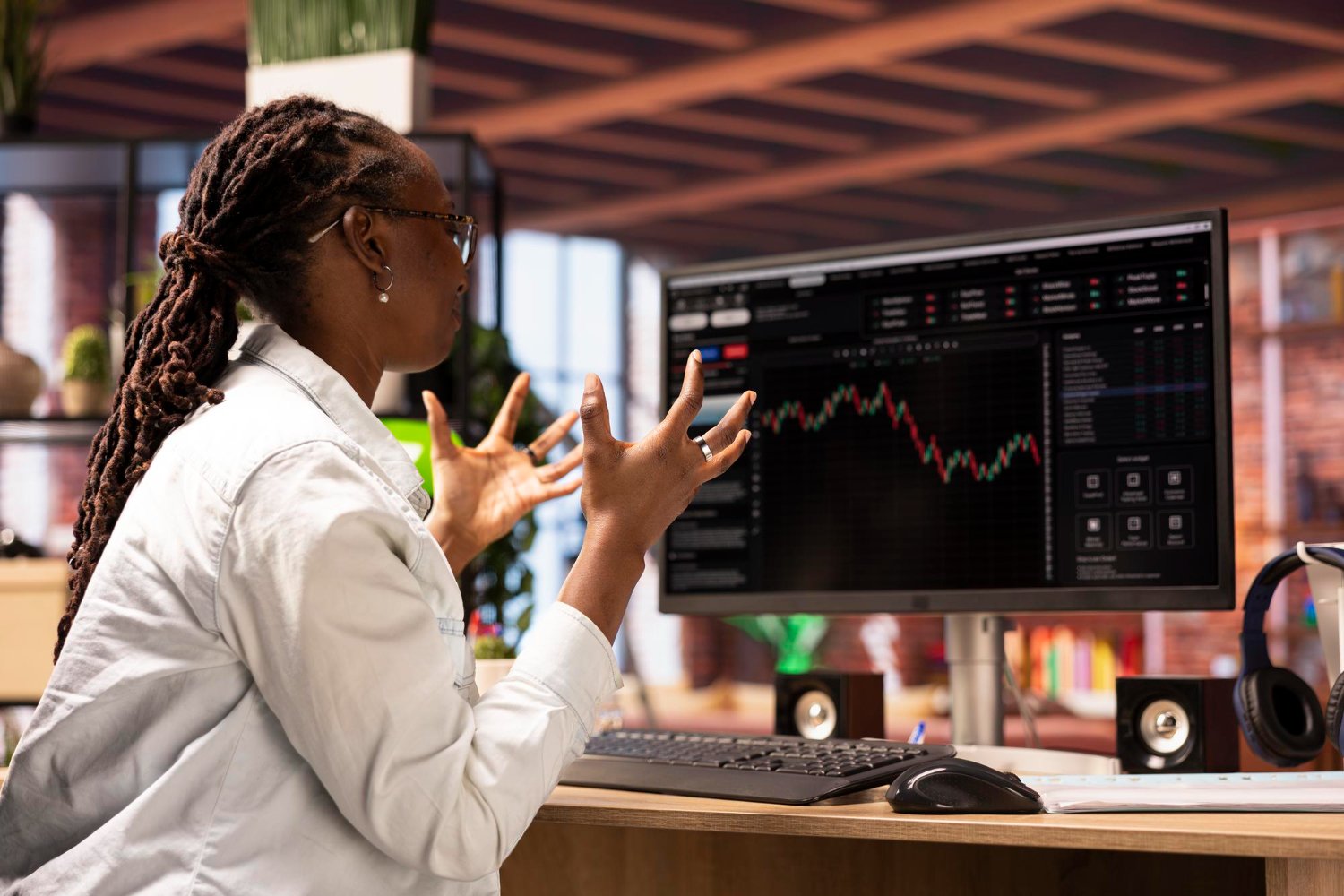

Forex trading scams in Kenya have cost thousands of people their hard-earned money. From fake brokers to pyramid schemes disguised as trading opportunities, scammers target beginners who dream of making quick money. The good news? Most scams follow predictable patterns, and you can protect yourself by learning the warning signs before you invest a single shilling.
This comprehensive guide exposes the most common forex trading scams in Kenya, shows you how to identify fraudulent schemes, and provides practical steps to protect your money. Whether you’re a complete beginner or already trading, understanding these scams is essential for your financial safety.

What Are Forex Trading Scams?
Forex trading scams are fraudulent schemes that promise unrealistic returns from currency trading but are designed to steal your money. These scams exploit people’s desire for quick wealth and lack of knowledge about how forex markets actually work.
In Kenya, scams have become increasingly sophisticated, using social media, WhatsApp groups, and even fake offices to appear legitimate. Thousands of Kenyans have lost money to these schemes, with some individuals losing their entire life savings.
Why Forex Trading Scams Target Kenyans
Several factors make Kenyans vulnerable to these scams:
High Unemployment and Economic Pressure

Many Kenyans are looking for alternative income sources, making them susceptible to promises of easy money from forex trading.
Low Financial Literacy
Most people don’t understand how forex markets work, making it difficult to distinguish legitimate opportunities from scams.
Social Media Influence
Scammers use Instagram, Facebook, and TikTok to showcase fake lifestyles with luxury cars and expensive watches, claiming they made their wealth through forex.
Peer Pressure

When friends or family members join these schemes and initially receive returns, others feel pressured to join before it’s “too late.”
Lack of Regulation Awareness
Many Kenyans don’t know that the Capital Markets Authority (CMA) regulates financial services, or how to verify if a company is licensed.

Common Types of Forex Trading Scams in Kenya
Pyramid and Ponzi Schemes Disguised as Forex
This is the most common type of forex trading scam in Kenya. These schemes claim to trade forex on your behalf, promising returns of 10-50% monthly or even weekly.
How They Work:
- You invest money (e.g., KES 10,000 minimum)
- You receive initial returns, which are actually money from new investors
- You’re encouraged to recruit others for commissions
- Eventually, the scheme collapses when there aren’t enough new investors
- Organizers disappear with everyone’s money
Warning Signs:
- Guaranteed high returns (20%+ monthly)
- Emphasis on recruitment over actual trading
- No trading education provided
- Cannot withdraw your initial capital easily
- Pressure to invest quickly
Examples in Kenya: Several major pyramid schemes have collapsed in Kenya, leaving thousands of victims. Names change regularly, but the structure remains the same.
Fake Forex Brokers
These are websites that look like legitimate brokers but are designed to steal your deposits.
How They Work:
- Professional-looking website with trading platform
- You deposit money via M-Pesa or bank transfer
- You may see profits on your screen
- When you try to withdraw, they create obstacles or disappear
- Your money is gone
Warning Signs:
- Not regulated by any authority (FCA, CySEC, ASIC)
- No physical address or contact information
- Pressure to deposit large amounts quickly
- Withdrawal requests constantly denied
- Too-good-to-be-true bonuses (e.g., “Deposit KES 10,000, get KES 20,000”)
Signal Sellers and Course Scams
Scammers sell “guaranteed” trading signals or expensive courses that promise to make you a millionaire.
How They Work:
- Advertise signals that “never lose” on social media
- Charge KES 5,000-50,000 for signals or courses
- Signals are random or copied from free sources
- Courses contain basic information available free online
- No refunds when signals fail
Warning Signs:
- Claims of 100% win rate
- Screenshots of unrealistic profits
- Testimonials from fake accounts
- Aggressive marketing tactics
- No trial period or money-back guarantee
Account Management Scams
Someone offers to trade your account for you, promising high returns.
How They Work:
- You give them access to your trading account
- They claim to be expert traders
- They either steal your money directly or blow your account with reckless trading
- They disappear after losing your capital
Warning Signs:
- Asking for your broker password
- No verified track record
- Promises of specific returns
- Pressure to give them access immediately
- No formal agreement or contract
Fake Investment Clubs and Forex Groups
Scammers create WhatsApp or Telegram groups claiming to share profitable trading strategies.
How They Work:
- Free group that shares “winning” tips
- After building trust, they promote a paid service or investment opportunity
- The paid service is either worthless or a scam
- Members who question them are removed from the group
Warning Signs:
- Excessive lifestyle displays (cars, houses, cash)
- Constant pressure to upgrade to paid membership
- Fake testimonials from group members
- Blocking questions about credentials
- Links to unregulated platforms
Forex Robots and Automated Trading Scams
Sellers offer robots or Expert Advisors (EAs) that supposedly trade automatically and generate guaranteed profits.
How They Work:
- Sell robot for KES 10,000-100,000+
- Robot either doesn’t work or has been tested only on carefully selected past data
- When market conditions change, the robot loses money
- No refunds provided
Warning Signs:
- Claims of guaranteed profits
- Backtesting results without forward testing
- No explanation of trading strategy
- Excessive cost for unproven software
- No trial period
Real Cases of Forex Trading Scams in Kenya
While we won’t name specific companies (as names change), here are patterns from actual scams:
Case 1: The Social Media Trader A young person on Instagram showed off luxury cars, claiming to make millions from forex. They offered account management services charging KES 50,000 minimum. After collecting money from over 100 people, they disappeared. Total losses: Over KES 5 million.
Case 2: The Investment Club A group promised 30% monthly returns on forex investments. They paid returns for 6 months using money from new investors. After collecting over KES 200 million from thousands of members, the website shut down and organizers vanished.
Case 3: The Fake Broker A website claimed to be regulated and offered trading services. They accepted deposits but made withdrawal impossible with constant excuses. The site eventually went offline with millions of shillings from Kenyan traders.
How to Spot Forex Trading Scams in Kenya
Use this checklist before investing in any forex opportunity:
Check for Regulation
Legitimate brokers are regulated by:
- Financial Conduct Authority (FCA) – UK
- Cyprus Securities and Exchange Commission (CySEC) – Cyprus
- Australian Securities and Investments Commission (ASIC) – Australia
- Capital Markets Authority (CMA) – Kenya (for local entities)
How to verify:
- Visit the regulator’s website directly
- Search for the company name in their registry
- Check the license number matches
- Don’t trust certificates shown on the company’s website
Analyze the Returns Promised
Realistic returns: 3-10% monthly for experienced traders
Unrealistic returns: 20%+ monthly guaranteed
If someone promises guaranteed high returns with no risk, it’s a scam. Forex trading involves risk, and losses are part of trading.
Look for Red Flags
- No physical address or only a P.O. Box
- Anonymous ownership (can’t find who runs the company)
- Pressure to invest immediately
- Emphasis on recruiting others
- Cannot withdraw your capital freely
- Requires giving account passwords
- Poor English on website or documents
- Copied content from other websites
Research the Company
- Google the company name plus “scam” or “review”
- Check forex forums for complaints
- Look for verified reviews (not testimonials on their website)
- Verify business registration with Kenya’s Business Registration Service
- Check if CMA has issued warnings against them
Test Their Customer Service
- Try contacting them with questions
- See how quickly and professionally they respond
- Ask about their regulation and license
- Request proof of their trading results
- Legitimate companies will answer transparently
What the Capital Markets Authority (CMA) Says
The CMA has repeatedly warned Kenyans about forex trading scams. Here’s what you need to know:
CMA’s Role:
- Regulates capital markets in Kenya
- Licenses legitimate financial service providers
- Issues warnings about unlicensed operators
- Cannot recover money lost to unlicensed schemes
Important Points:
- Most forex brokers Kenyans use are not CMA-regulated (they’re international)
- International brokers should have regulation from FCA, CySEC, or ASIC
- CMA regularly publishes lists of unauthorized entities
- Check CMA’s website for warnings before investing
CMA Warnings: The CMA has specifically warned against companies promising unrealistic returns and operating without licenses. They advise Kenyans to verify licensing before investing.
How to Protect Yourself from Forex Trading Scams in Kenya
Follow these steps to stay safe:
Do Your Research
- Never invest based on social media posts
- Verify all claims independently
- Take time to investigate (don’t rush)
- If it sounds too good to be true, it is
Start Small
- Test any broker with a small deposit first (KES 5,000-10,000)
- Make a small withdrawal to confirm it works
- Only increase investment after verifying legitimacy
Use Regulated Brokers Only
- Choose brokers with strong regulation
- Verify license directly with the regulator
- Avoid brokers that only accept cryptocurrency or untraceable payments
Never Give Account Access
- Don’t share your broker passwords
- Don’t let anyone trade your account
- Maintain full control of your money
Educate Yourself
- Learn how forex actually works
- Understand realistic returns
- Study risk management
- Use free educational resources
Trust Your Instincts
- If something feels wrong, walk away
- Don’t let FOMO (fear of missing out) push you
- No legitimate opportunity requires rushing
Keep Records
- Save all communications
- Document transactions
- Take screenshots
- Keep this evidence if you need to report a scam
What to Do If You’ve Been Scammed
If you’ve fallen victim to forex trading scams in Kenya:
Stop Further Payments
- Don’t send more money hoping to recover losses
- Don’t fall for “recovery” scams that promise to get your money back for a fee
Report the Scam
Report to:
- Capital Markets Authority (CMA): investors@cma.or.ke
- Directorate of Criminal Investigations (DCI)
- Kenya Police – Cyber Crime Unit
- Communications Authority of Kenya (if scam used telecommunications)
Warn Others
- Share your experience (without shame – you’re not alone)
- Report the social media accounts used by scammers
- Help prevent others from falling victim
Seek Legal Advice
- Consult a lawyer about your options
- Join with other victims if it’s a large scheme
- File a case with relevant authorities
Learn and Move Forward
- Don’t let the experience stop you from legitimate opportunities
- Educate yourself about proper forex trading
- Start over with a regulated broker and proper education
Legitimate Forex Trading vs. Scams: Key Differences
Legitimate Forex Trading:
- Regulated brokers with verifiable licenses
- You trade yourself or learn to trade
- No guaranteed returns promised
- Transparent fees and conditions
- Easy withdrawal of your money
- Risk warnings clearly stated
- Educational resources provided
- Takes time and effort to profit
Forex Trading Scams:
- No regulation or fake regulation
- Others trade for you with no transparency
- Guaranteed high returns promised
- Hidden fees and withdrawal restrictions
- Cannot access your money easily
- Only profit claims, no risk warnings
- Pressure to invest, not educate
- Promises of quick and easy money
Safe Ways to Start Forex Trading in Kenya
If you want to trade forex legitimately:
Choose a Regulated Broker
Look for:
- FCA, CySEC, or ASIC regulation minimum
- Good reputation with verifiable reviews
- Transparent fee structure
- Demo account for practice
- Educational resources
- Responsive customer support
Popular Regulated Brokers: Research brokers like those regulated by top-tier authorities. Verify regulation directly with the regulatory body.
Start with Education
- Use free resources like BabyPips.com
- Practice on demo accounts for 2-3 months
- Learn technical and fundamental analysis
- Understand risk management
- Study successful traders’ strategies
Begin Small
- Start with money you can afford to lose
- Use micro lots to minimize risk
- Focus on learning, not earning
- Keep a trading journal
- Track your progress
Join Legitimate Communities
- Find forums with real traders (not promotional groups)
- Ask questions and learn from others
- Share experiences without promoting anything
- Be skeptical of anyone promising easy money
Frequently Asked Questions
How can I tell if a forex broker is a scam?
Check if the broker is regulated by a reputable authority (FCA, CySEC, ASIC). Verify the license directly on the regulator’s website, not on the broker’s site. Also look for warning signs like withdrawal difficulties, guaranteed returns, or pressure to deposit large amounts.
Are all forex opportunities in Kenya scams?
No, forex trading itself is legitimate and legal in Kenya. However, many scams target Kenyans. Legitimate trading involves using regulated brokers and trading yourself, not giving money to others who promise to trade for you.
Can I get my money back if I’ve been scammed?
Recovery is difficult but not impossible. Report to CMA, DCI, and police immediately. Consult a lawyer. If the scammer used M-Pesa or bank transfers, contact your service provider quickly. However, prevention is better than trying to recover lost money.
Is forex trading legal in Kenya?
Yes, forex trading is legal in Kenya. The Capital Markets Authority (CMA) regulates financial services. However, most forex brokers Kenyans use are international companies regulated in other countries. Always use regulated brokers.
How much can I realistically make from forex trading?
Experienced traders typically aim for 3-10% monthly returns. Anyone promising 20%, 30%, or higher guaranteed returns monthly is likely running a scam. Forex involves risk, and losses are part of trading.
What should I do if someone approaches me with a forex investment opportunity?
First, verify if they are regulated by CMA or international regulators. Be extremely cautious if they promise guaranteed returns, pressure you to invest quickly, or emphasize recruiting others. Most legitimate opportunities don’t require aggressive marketing.
Are forex signals from Telegram or WhatsApp groups reliable?
Most are scams or unreliable. Free signals are often poor quality, and paid signals frequently fail to deliver promised results. It’s better to learn to trade yourself than depend on signals from unknown sources.
How do I verify if a forex company is licensed in Kenya?
Visit the Capital Markets Authority (CMA) website at cma.or.ke and check their list of licensed entities. You can also email investors@cma.or.ke to verify. Most forex brokers used by Kenyans are international and regulated by FCA, CySEC, or ASIC.
Final Summary: Staying Safe from Forex Trading Scams in Kenya
Forex trading scams in Kenya are widespread, but they follow predictable patterns. The most common scams promise guaranteed high returns, emphasize recruitment, use fake regulation claims, and make withdrawals difficult or impossible. Thousands of Kenyans have lost millions of shillings to these schemes.
To protect yourself: always verify regulation directly with regulatory authorities, never trust guaranteed returns, start with small amounts on regulated platforms, and educate yourself about how forex actually works. If an opportunity requires recruiting others, promises over 15% monthly returns, or pressures you to invest quickly, it’s almost certainly a scam.
Remember:
- Legitimate forex trading involves risk and requires learning
- No one can guarantee profits in forex
- Real brokers are regulated by FCA, CySEC, ASIC, or similar authorities
- If it sounds too good to be true, it is
- Report scams to CMA and police to help protect others
Forex trading can be a legitimate activity when done through proper channels with realistic expectations. Don’t let scammers steal your hard-earned money or destroy your dreams of financial independence. Take time to verify, educate yourself, and only work with regulated entities.
Disclaimer: This article is for educational purposes only and does not constitute financial or legal advice. Always conduct your own research and consult professionals before making investment decisions. Report suspected scams to relevant authorities.