Best Online Business Ideas 2026: Profitable Digital Ventures You Can Start Today

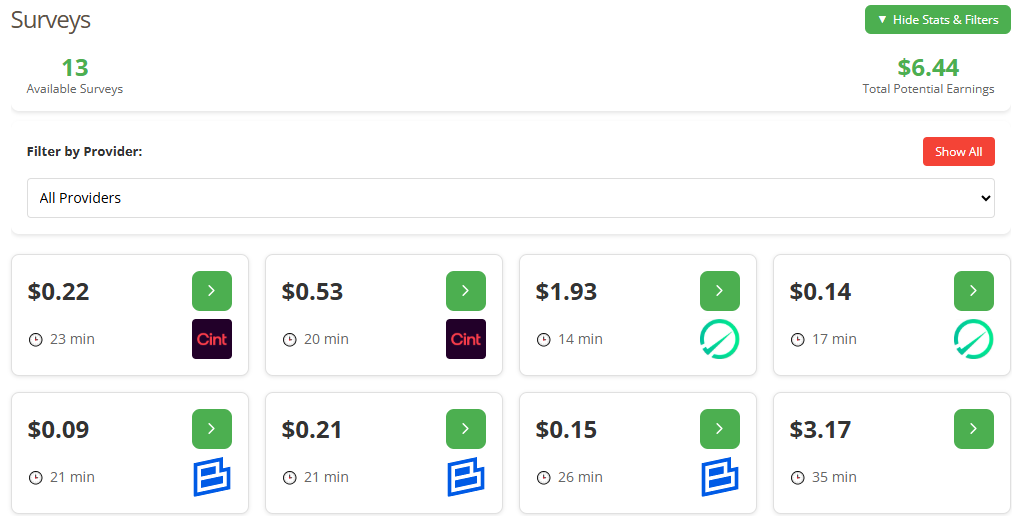
Get High Paying Surveys
Earn money online by completing simple surveys. No experience needed.
Start Earning →The digital economy has transformed how people build wealth, and 2026 presents unprecedented opportunities for aspiring entrepreneurs. Online businesses now offer lower startup costs, global reach, and flexibility that traditional brick-and-mortar ventures simply can’t match. Whether you’re in Nairobi or anywhere else in the world, the right internet business idea can become your path to financial independence.
This comprehensive guide explores the most promising online startups for 2026, backed by market trends, realistic profit potential, and actionable steps to launch. We’ll cut through the hype and focus on legitimate digital business ideas that real entrepreneurs are using to build sustainable income streams right now.

What Are the Best Online Business Ideas for 2026?
The best online business ideas for 2026 combine emerging technologies, changing consumer behaviors, and proven business models. Top opportunities include AI-powered services, specialized e-commerce niches, remote service businesses, content monetization, and software-as-a-service (SaaS) solutions. These future online business models require minimal physical infrastructure while offering scalable revenue potential from day one.
Successful digital business ideas share common characteristics: they solve real problems, require relatively low startup capital (often under KES 50,000), can be operated remotely, and scale without proportional cost increases. The most promising ventures leverage automation, target underserved markets, or combine multiple revenue streams for stability.
In 2026, the distinction between “online” and “traditional” business continues blurring. The winners are entrepreneurs who understand digital tools, customer psychology, and how to build authentic online communities around their offerings. Your laptop or smartphone becomes your storefront, your content becomes your marketing, and your network becomes your distribution channel.
Why 2026 Is the Perfect Year to Start an Online Business
Several converging trends make 2026 an exceptional year for launching internet business ideas:

Technological Accessibility
AI tools have democratized capabilities once requiring expensive teams. Entrepreneurs can now create professional websites, design marketing materials, automate customer service, and analyze data using affordable or free AI-powered platforms. This technology access levels the playing field between startups and established companies.
Global Payment Infrastructure
Payment processing has become seamless across borders. Platforms like PayPal, Stripe, Wise, and mobile money systems like M-Pesa enable entrepreneurs anywhere to accept international payments without complicated banking relationships. Kenyan entrepreneurs can now easily serve customers worldwide.
Remote Work Normalization
The global workforce has permanently shifted toward remote arrangements, creating massive demand for digital services, online collaboration tools, virtual events, and remote-friendly products. This cultural shift opens markets that didn’t exist five years ago.

Content Monetization Maturity
Platforms have developed sophisticated monetization features. YouTube, TikTok, Instagram, podcasts, and newsletters now offer multiple revenue streams beyond simple advertising. Creators and businesses can earn through subscriptions, tips, affiliate partnerships, and direct sales.
Niche Market Opportunities

As major platforms become saturated, specialized niches present golden opportunities. The “riches are in the niches” principle has never been more true. Businesses serving specific communities, solving particular problems, or catering to unique interests can dominate their segments.
Affordable Education Resources
Free and low-cost online courses, YouTube tutorials, and community forums mean anyone can learn the skills needed to start online startups. The knowledge barrier to entrepreneurship has effectively disappeared for motivated learners.
Top 15 Best Online Business Ideas for 2026
Here are the most promising digital business opportunities, evaluated for profitability, startup costs, and growth potential:
1. AI-Powered Content Services
What It Is: Offer content creation, editing, or strategy services enhanced by AI tools like ChatGPT, Midjourney, or specialized writing assistants.
Why It Works in 2026: Businesses need more content than ever but can’t afford large teams. AI-savvy entrepreneurs who combine technology with human creativity deliver quality at competitive prices.
Startup Costs: KES 5,000-20,000 (AI tool subscriptions, portfolio website)
Revenue Potential: KES 50,000-500,000+ monthly
Getting Started: Master AI tools, identify your niche (blogs, social media, technical writing), create portfolio samples, pitch to businesses through LinkedIn and cold email.
Target Market: Small businesses, marketing agencies, startups, online publications
2. Specialized E-Commerce Store
What It Is: Sell curated products in a specific niche through platforms like Shopify, WooCommerce, or marketplaces like Jumia and Amazon.
Why It Works in 2026: Generic stores struggle, but specialized shops serving passionate communities thrive. Focus on hobbies, lifestyle choices, or solving specific problems.
Startup Costs: KES 10,000-100,000 (inventory or dropshipping setup, website, initial marketing)
Revenue Potential: KES 30,000-1,000,000+ monthly
Getting Started: Research profitable niches, validate demand through social media groups, source products locally or internationally, build brand identity, launch with pre-orders or dropshipping.
Target Market: Hobbyists, collectors, health-conscious consumers, parents, professionals
3. Online Course Creation
What It Is: Package your expertise into video courses, live workshops, or membership communities teaching specific skills.
Why It Works in 2026: People invest heavily in self-improvement and career development. Well-structured courses generate passive income after initial creation.
Startup Costs: KES 15,000-50,000 (recording equipment, editing software, course platform)
Revenue Potential: KES 20,000-800,000+ monthly
Getting Started: Identify teachable skills you possess, research what people pay to learn, create a detailed curriculum, record professionally, launch on Udemy/Teachable or your own platform, market through free content.
Target Market: Career changers, skill upgraders, hobbyists, entrepreneurs
4. Social Media Management Agency
What It Is: Manage social media accounts for businesses that lack time or expertise to maintain effective online presence.
Why It Works in 2026: Every business needs social media, but most don’t have dedicated teams. This service remains in high demand with predictable monthly revenue.
Startup Costs: KES 5,000-30,000 (scheduling tools, design software subscriptions)
Revenue Potential: KES 40,000-600,000+ monthly
Getting Started: Build your own social media following to demonstrate expertise, offer free services to 2-3 businesses for testimonials, create service packages, pitch to local businesses, scale by hiring virtual assistants.
Target Market: Local businesses, restaurants, professional services, small retailers
5. Virtual Assistant Services
What It Is: Provide administrative, technical, or creative assistance to busy entrepreneurs and executives remotely.
Why It Works in 2026: As remote work expands, so does demand for flexible administrative support. Services range from email management to complex project coordination.
Startup Costs: KES 3,000-15,000 (communication tools, time tracking software)
Revenue Potential: KES 30,000-200,000+ monthly
Getting Started: List your administrative skills, create profiles on Upwork and Fiverr, specialize in specific industries or task types, deliver exceptional service to build reviews, increase rates as reputation grows.
Target Market: Online entrepreneurs, executives, small business owners, consultants
6. Niche Affiliate Marketing Website
What It Is: Build content-rich websites that recommend products and earn commissions through affiliate links.
Why It Works in 2026: When done authentically with valuable content, affiliate sites generate passive income. Success comes from helping people make informed purchases, not just selling.
Startup Costs: KES 5,000-40,000 (domain, hosting, content creation)
Revenue Potential: KES 10,000-500,000+ monthly (takes 6-12 months to build)
Getting Started: Choose a niche you understand, research affiliate programs (Amazon Associates, ShareASale, local programs), create genuinely helpful content, optimize for search engines, build email list, promote strategically.
Target Market: Consumers researching purchases in your niche
7. Freelance Web Development
What It Is: Build websites, web applications, or provide technical services for clients using modern frameworks and platforms.
Why It Works in 2026: Every business needs digital presence. Developers who communicate well and deliver on time can charge premium rates with consistent demand.
Startup Costs: KES 10,000-30,000 (software licenses, portfolio hosting)
Revenue Potential: KES 80,000-600,000+ monthly
Getting Started: Learn web development through free resources (freeCodeCamp, YouTube), build portfolio projects, create profiles on freelance platforms, start with small projects, specialize as you gain experience.
Target Market: Small to medium businesses, startups, agencies, entrepreneurs
8. Digital Marketing Consultancy
What It Is: Help businesses improve their online visibility, customer acquisition, and conversion rates through strategic marketing guidance.
Why It Works in 2026: Most businesses struggle with digital marketing. Those who can demonstrate ROI through SEO, paid ads, email marketing, or strategy command strong fees.
Startup Costs: KES 10,000-50,000 (analytics tools, certification courses, website)
Revenue Potential: KES 60,000-800,000+ monthly
Getting Started: Master one marketing channel deeply, get certified (Google Ads, Facebook Blueprint), work on your own projects first, offer results-based pricing, document case studies, scale by building a team.
Target Market: Established small businesses, professional services, e-commerce stores
9. YouTube Channel or Podcast
What It Is: Create consistent video or audio content around specific topics, monetizing through ads, sponsorships, merchandise, and affiliate partnerships.
Why It Works in 2026: Long-form content consumption continues growing. Successful creators build loyal audiences that generate multiple revenue streams beyond platform ads.
Startup Costs: KES 20,000-100,000 (camera/microphone, editing software, branding)
Revenue Potential: KES 5,000-2,000,000+ monthly (highly variable, requires audience building)
Getting Started: Choose a niche you’re passionate about, study successful channels in your space, create content consistently (weekly minimum), engage authentically with audience, diversify monetization beyond ads.
Target Market: Audiences interested in your niche content
10. SaaS or Software Tools
What It Is: Develop software applications that solve specific problems for businesses or consumers, sold on subscription basis.
Why It Works in 2026: Software offers incredible scalability—serve one customer or ten thousand with similar infrastructure. Even simple tools solving real problems generate substantial recurring revenue.
Startup Costs: KES 30,000-200,000 (development, hosting, initial marketing)
Revenue Potential: KES 50,000-5,000,000+ monthly (varies greatly by product)
Getting Started: Identify specific pain points through research, validate demand before building, start with MVP (minimum viable product), use no-code tools if possible, focus on one problem initially, grow through word-of-mouth.
Target Market: Businesses, professionals, creators needing specific solutions
11. Online Coaching or Consulting
What It Is: Provide one-on-one or group guidance in areas where you have proven expertise—business, career, health, relationships, finance.
Why It Works in 2026: People pay premium rates for personalized guidance. Video calls make global coaching accessible, and results-focused coaches build waiting lists through referrals.
Startup Costs: KES 5,000-30,000 (booking system, video software, marketing)
Revenue Potential: KES 40,000-600,000+ monthly
Getting Started: Define your coaching niche and ideal client, create a signature framework or process, offer free discovery calls, deliver exceptional results that generate testimonials, gradually raise rates, scale with group programs.
Target Market: Individuals or businesses seeking specific transformation
12. Print-on-Demand Business
What It Is: Design graphics for t-shirts, mugs, phone cases, and other products manufactured and shipped by third-party companies only when ordered.
Why It Works in 2026: Zero inventory risk, no upfront product costs, and global reach make print-on-demand ideal for creative entrepreneurs. Success comes from unique designs and smart marketing.
Startup Costs: KES 5,000-40,000 (design software, platform fees, initial marketing)
Revenue Potential: KES 15,000-400,000+ monthly
Getting Started: Learn graphic design basics, research trending design styles and niches, create designs using Canva or Adobe, set up stores on Printful/Printify integrated with Shopify or Etsy, market through social media.
Target Market: Niche communities, hobbyists, fans of specific themes
13. Email Newsletter Business
What It Is: Build an engaged email list around specific topics, monetizing through sponsorships, affiliate recommendations, premium subscriptions, or product sales.
Why It Works in 2026: Email remains the highest-ROI marketing channel. Subscribers who choose to hear from you are highly valuable. Successful newsletters command premium sponsorship rates.
Startup Costs: KES 3,000-20,000 (email platform, website)
Revenue Potential: KES 10,000-800,000+ monthly (requires audience building)
Getting Started: Choose a focused niche, provide genuine value consistently, write compelling content weekly, grow through social media and partnerships, monetize after building engaged audience of 1,000+ subscribers.
Target Market: Readers interested in your expertise area
14. Dropshipping Business
What It Is: Sell products online without holding inventory—suppliers ship directly to customers when orders are placed through your store.
Why It Works in 2026: Low-risk entry into e-commerce with ability to test products quickly. Success requires strong marketing and excellent customer service despite not handling products.
Startup Costs: KES 15,000-80,000 (store setup, initial advertising, apps)
Revenue Potential: KES 30,000-600,000+ monthly
Getting Started: Research profitable product niches, find reliable suppliers through AliExpress or local wholesalers, build Shopify store, create compelling product pages, test products with small ad budgets, scale winners aggressively.
Target Market: Online shoppers seeking convenience or unique products
15. Membership Community or Subscription Service
What It Is: Create exclusive communities offering ongoing value through content, networking, resources, or services for monthly subscription fees.
Why It Works in 2026: Recurring revenue creates business stability. People value belonging to communities aligned with their interests and pay for curated experiences and connection.
Startup Costs: KES 10,000-50,000 (community platform, initial content)
Revenue Potential: KES 30,000-1,000,000+ monthly
Getting Started: Identify a passionate niche community, provide free value to demonstrate expertise, create clear membership benefits, launch with founding member discount, deliver consistently, grow through member advocacy.
Target Market: Professionals, hobbyists, learners seeking community and resources
How to Choose the Right Online Business for You
Selecting the optimal internet business idea requires honest self-assessment and strategic thinking:
Evaluate Your Skills and Interests
Start businesses aligned with your existing capabilities or strong interests. You’ll work harder and persist longer on projects that energize rather than drain you. Make two lists: skills you already possess and topics you could discuss for hours. Your ideal business sits at the intersection.
Consider Available Time and Capital
Be realistic about your constraints. If you work full-time, choose businesses you can start part-time (freelancing, content creation, consulting). If you have limited capital, avoid inventory-heavy models. Many of the best online business ideas for 2026 require more time than money.
Research Market Demand
Validate that people actually want what you plan to offer. Search Google trends, explore forums and social media groups, analyze competitor success, and most importantly—talk to potential customers. Demand validation before launch prevents wasting months on unwanted products.
Assess Competition Realistically
Some competition is good—it proves market demand. Too much competition makes entry difficult for newcomers. Look for underserved niches or ways to differentiate. Can you serve a specific geographic area, demographic, or approach the problem differently?
Think Long-Term
Choose businesses with growth potential beyond initial launch. Can you scale by hiring? Does the model offer recurring revenue? Will you still find it interesting in three years? The best digital business ideas compound over time rather than requiring constant reinvention.
Test Before Fully Committing
Start small. Validate your concept with minimal investment before going all-in. Offer services to a few clients, create a simple product version, or build a small audience. Real market feedback trumps planning every time.
Steps to Launch Your Online Business in 2026
Follow this systematic approach to transform your chosen idea into reality:
Step 1: Validate Your Business Idea (Week 1-2)
Before investing significant time or money, confirm people want what you’re offering. Create a simple landing page describing your product or service, drive targeted traffic through social media or ads, and measure interest through email signups or pre-orders. Minimum validation: 100+ engaged prospects.
Step 2: Create a Minimal Viable Product (Week 3-4)
Build the simplest version of your offering that delivers value. Don’t aim for perfection—aim for functional and helpful. Use templates, no-code tools, and existing platforms to speed development. Your MVP should solve one core problem extremely well.
Step 3: Establish Legal and Financial Foundation (Week 2-3)
Register your business if required in your jurisdiction, separate business and personal finances by opening a business bank account or M-Pesa till number, understand basic tax obligations, and set up simple accounting using spreadsheets or free software like Wave.
Step 4: Build Your Online Presence (Week 4-5)
Create professional digital assets: a website (using WordPress, Wix, or Shopify), social media profiles on platforms where your customers spend time, Google Business Profile if relevant, and professional email address. Consistency in branding across all channels builds credibility.
Step 5: Develop Your Marketing Strategy (Week 5-6)
Identify where your ideal customers gather online. Choose 2-3 marketing channels to master rather than spreading thin across many. Options include content marketing (SEO), social media organic and paid, email marketing, partnerships, or community building. Create a content calendar and commit to consistency.
Step 6: Launch and Get Your First Customers (Week 6-8)
Start selling. Reach out directly to potential customers, offer launch discounts, leverage your personal network, create compelling launch content, and ask for feedback. Your first customers often come from direct outreach rather than passive discovery.
Step 7: Deliver Excellence and Gather Testimonials (Ongoing)
Exceed expectations with your first customers. Over-deliver on promises, communicate proactively, and solve problems quickly. Request testimonials and case studies from satisfied customers—social proof becomes your most powerful marketing asset.
Step 8: Analyze, Optimize, and Scale (Month 3+)
Track what’s working and what isn’t. Monitor revenue sources, marketing effectiveness, customer acquisition costs, and time investments. Double down on successful strategies, eliminate ineffective activities, gradually raise prices, and systematize operations for growth.
Common Mistakes to Avoid When Starting Online
Learning from others’ mistakes accelerates your success:
Perfectionism Paralysis
Waiting until everything is perfect before launching means never launching. Successful entrepreneurs release “good enough” versions, gather feedback, and improve iteratively. Your version 1.0 should embarrass you slightly when you look back a year later.
Ignoring Market Research
Building what you think people want rather than what they actually need leads to failure. Spend more time validating demand and understanding customers than perfecting your product. Market research isn’t optional—it’s the foundation of every successful online startup.
Underpricing Your Offerings
New entrepreneurs often undervalue their services to compete. This attracts wrong-fit customers, makes profitability difficult, and signals low quality. Research market rates and price confidently. You can always discount for strategic reasons, but raising prices on existing customers is challenging.
Trying to Serve Everyone
Broad targeting dilutes your message and makes marketing impossible. “I help businesses” is too vague. “I help Kenyan restaurants increase delivery orders through Instagram marketing” is specific and compelling. Niching down feels limiting but actually expands opportunities.
Neglecting Email List Building
Social media followers don’t belong to you—platforms can change algorithms or disappear. Email subscribers are assets you control. From day one, prioritize building your email list through lead magnets, content upgrades, and strategic opt-in opportunities.
Inconsistent Effort
Starting strong then losing momentum is the most common failure pattern. Success comes from consistent action over months and years, not sporadic bursts of activity. Even 30 minutes daily produces better results than occasional marathon sessions.
Ignoring Cash Flow
Revenue doesn’t equal profit. Track all expenses, maintain cash reserves for slow periods, and understand your true profitability per product or client. Many businesses fail not from lack of sales but from poor financial management.
Isolating Yourself
Entrepreneurship can feel lonely. Join online communities, find mentors or peers, participate in forums, and share your journey. The support, accountability, and knowledge sharing from entrepreneurial communities prove invaluable.
Tools and Resources for Online Business Success
These platforms and tools support various stages of building internet business ideas:
Website and E-Commerce Platforms
- WordPress with WooCommerce (flexible, customizable)
- Shopify (comprehensive e-commerce, KES 2,500-25,000/month)
- Wix or Squarespace (beginner-friendly, beautiful templates)
- Webflow (advanced design control for non-coders)
Marketing and SEO
- Google Analytics (free, essential traffic insights)
- Mailchimp or ConvertKit (email marketing, free plans available)
- Canva (graphic design, free with premium options)
- Buffer or Hootsuite (social media scheduling)
- Ubersuggest or Ahrefs (SEO research and optimization)
Payment Processing
- PayPal (international standard, available in Kenya)
- Stripe (developer-friendly, expanding African access)
- M-Pesa Paybill/Till (essential for Kenyan customers)
- Flutterwave (African-focused payment gateway)
Project Management and Productivity
- Trello or Asana (project organization, free plans)
- Notion (all-in-one workspace, excellent for solopreneurs)
- Google Workspace (professional email and collaboration)
- Calendly (appointment scheduling automation)
Customer Communication
- Zoom or Google Meet (video calls with clients)
- Intercom or Tidio (website chat support)
- WhatsApp Business (essential in Kenya for customer communication)
Learning Resources
- YouTube (free tutorials on everything)
- Coursera or Udemy (affordable structured courses)
- Google Digital Garage (free digital marketing certification)
- HubSpot Academy (free marketing and sales courses)
Legal and Tax Considerations in Kenya
Understanding basic legal and tax requirements protects your business:
Business Registration
Sole proprietorship registration through eCitizen costs approximately KES 2,000-5,000. For more serious ventures, consider registering a limited company (approximately KES 10,000-15,000 through KRA and Business Registration Service). Many online businesses start informally and register after generating consistent income.
Tax Obligations
Register for KRA PIN immediately. Income tax applies to profits—keep detailed records of all income and expenses. Turnover tax of 1% applies if annual turnover is below KES 5 million and you’re not VAT-registered. VAT registration becomes mandatory at KES 5 million annual turnover. Consult a tax professional as your business grows.
Payment Processing Compliance
When receiving international payments through PayPal or similar services, ensure you comply with KRA’s foreign income reporting requirements. Mobile money transactions above certain thresholds are reported to KRA automatically.
Intellectual Property
Protect your brand by registering trademarks through Kenya Industrial Property Institute (KIPI) once your business gains traction. Copyright automatically protects original content you create. Document creation dates for important digital assets.
Data Protection
If collecting customer information, familiarize yourself with Kenya’s Data Protection Act. Basic compliance includes having a privacy policy, securing customer data, and only collecting necessary information. This is particularly important for internet business ideas handling sensitive data.
Future Trends Shaping Online Business
Understanding emerging trends helps future-proof your digital business ideas:
AI Integration Becomes Standard
Every online business will incorporate AI tools by 2027. Early adopters who master AI-enhanced workflows gain significant competitive advantages. Focus on augmenting human creativity with AI efficiency rather than replacing human elements entirely.
Video-First Content Dominates
Short-form and long-form video consumption continues growing across all platforms. Businesses that can communicate effectively through video reach wider audiences. Invest in video creation skills even if starting with smartphone recordings.
Micro-Influencer Marketing Expands
Partnerships with niche influencers (10,000-100,000 followers) generate better ROI than celebrity endorsements. This creates opportunities both for influencers monetizing their audiences and businesses leveraging authentic partnerships.
Subscription Model Proliferation
Consumers increasingly expect subscription options for everything from software to physical products. Consider how to add recurring revenue elements to your business model for improved stability and valuation.
Voice and Audio Commerce Grows
Voice assistants, podcasts, and audio platforms create new commerce channels. Optimizing for voice search and exploring audio content opportunities positions businesses for future growth.
Hyper-Personalization Through Data
Customers expect personalized experiences. Businesses using data ethically to customize offerings, communications, and recommendations will outperform generic competitors. This applies even to small online startups.
Sustainability and Ethics Matter
Consumers, especially younger demographics, increasingly choose businesses aligned with their values. Transparent operations, ethical practices, and sustainability considerations influence purchasing decisions.
Frequently Asked Questions
How much money do I need to start an online business in 2026?
You can start many online businesses with KES 5,000-50,000, covering domain registration, hosting, basic tools, and initial marketing. Service-based businesses like freelancing, consulting, or virtual assistance require minimal capital—primarily just your time and internet access. E-commerce businesses need more initial investment (KES 20,000-100,000) for inventory, platform fees, and advertising. The beauty of future online business models is that most scale with revenue, allowing you to start small and reinvest profits for growth.
Can I start an online business while working full-time?
Absolutely. Many successful entrepreneurs started their digital business ideas as side projects while employed. Dedicate 1-2 hours daily or 10-15 hours weekly to your venture. Focus on businesses that don’t require immediate responses—content creation, e-commerce, course creation, or freelancing with flexible deadlines work well. As your online business grows and approaches your employment income, you can transition to full-time entrepreneurship with reduced risk.
How long does it take to make money from an online business?
Timeline varies dramatically by business model. Service businesses (freelancing, consulting, virtual assistance) can generate first revenue within 1-2 weeks of launching. E-commerce and dropshipping might take 1-3 months to become profitable after testing products. Content-based businesses (YouTube, blogging, affiliate marketing) typically require 6-12 months of consistent effort before meaningful income. SaaS and software businesses often need 3-6 months minimum. Set realistic expectations and commit to at least 6 months before judging success.
Do I need technical skills to start an online business?
Not necessarily. While technical skills help, many successful internet business ideas require minimal technical knowledge. Platforms like Shopify, Wix, and Canva make professional website creation accessible to non-technical users. For services like social media management, consulting, or coaching, communication and expertise matter more than technical ability. That said, basic digital literacy—understanding how to navigate online tools, learn through tutorials, and solve simple technical issues—is essential. Most technical skills needed can be learned free through YouTube tutorials.
What’s the best online business for beginners with no experience?
Service-based businesses offer the lowest barrier to entry. Freelance writing, virtual assistance, social media management, or online tutoring require minimal capital and leverage skills most people possess. Start by offering services on platforms like Upwork or Fiverr, which provide built-in customer bases. Alternatively, affiliate marketing requires no product creation—you promote others’ products and earn commissions. Print-on-demand also works well for creative beginners since you don’t handle inventory or shipping. Choose based on your existing skills and interests rather than chasing the “hottest” opportunity.
How do I accept payments from international customers in Kenya?
Multiple options exist for receiving international payments. PayPal remains the most common, though it requires linking to a bank account or using services like Payoneer for withdrawal to M-Pesa. Wise (formerly TransferWise) offers better exchange rates and direct bank transfers. For larger volumes, consider Payoneer or WorldRemit. Some platforms like Upwork and Fiverr handle payments internally then transfer to your chosen method. Always maintain a PayPal account for maximum flexibility, and keep M-Pesa for local transactions. Research each option’s fees and transfer times to optimize your cash flow.
Is it too late to start an online business in 2026?
Not at all—if anything, 2026 is an ideal time. While competition exists in popular niches, the internet continuously expands with new platforms, technologies, and consumer behaviors creating fresh opportunities. Success comes from differentiation, not being first. Focus on serving specific niches better than generalists, leverage emerging technologies like AI, and build authentic relationships with customers. The businesses thriving in 2026 often didn’t exist in 2020. Your unique perspective, specific skills, and particular audience positioning create competitive advantages that timing alone cannot provide.
Conclusion
The best online business ideas for 2026 combine proven business models with emerging technologies and changing consumer behaviors. Whether you choose service-based businesses offering immediate cash flow, e-commerce ventures building valuable assets, or content-based businesses developing passive income streams, success requires consistent action over time.
Your online startup journey begins with a single decision: choosing one business model aligned with your skills, interests, and resources, then committing to launch within 30 days. Not someday—within one month. The difference between dreamers and successful entrepreneurs is execution. Imperfect action today beats perfect planning that never launches.
Start with the minimal viable version of your chosen digital business idea. Test with real customers. Learn from feedback. Iterate quickly. Scale what works. This systematic approach transforms ambitious ideas into profitable realities.
The digital economy rewards those who solve real problems, deliver genuine value, and persist through inevitable challenges. Your laptop and internet connection provide everything needed to build substantial wealth serving customers globally from Kenya or anywhere else.
Which internet business idea resonates most with your situation? Choose one. Research for two days maximum. Then launch your minimal viable version. Your future self—the successful entrepreneur six months from now—will thank you for starting today rather than waiting for perfect conditions that never arrive.
The best online business ideas for 2026 exist. The question isn’t what to start—it’s whether you’ll take the first step today.