Affiliate Marketing for Bloggers: Complete Beginner’s Guide to Earning Commissions

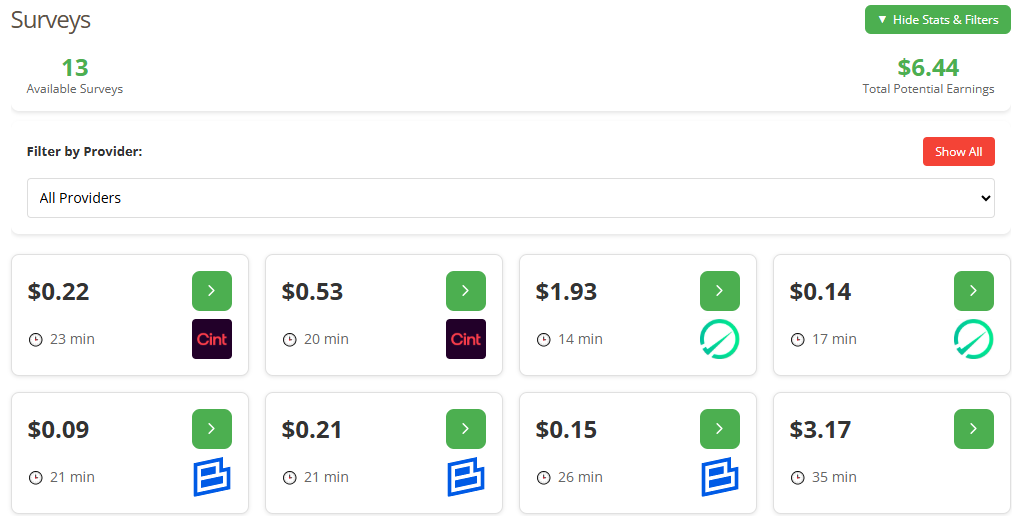
Get High Paying Surveys
Earn money online by completing simple surveys. No experience needed.
Start Earning →Affiliate marketing for bloggers involves earning commissions by promoting products or services through unique tracking links in your blog content. When readers click your affiliate links and make purchases, you earn 5-75% commissions without creating products yourself. It’s the most beginner-friendly monetization method, working from day one with minimal traffic requirements.
Introduction
Want to earn money from your blog without creating products, managing inventory, or handling customer service?

Affiliate marketing solves all these challenges while creating genuine income potential for bloggers at any level.
You’ve probably seen successful bloggers casually mention products they love and include links. What you might not realize is those simple recommendations often generate thousands of dollars monthly in passive blogging affiliate income.
The beauty of affiliate marketing is its simplicity. You focus on creating helpful content and recommending products that genuinely solve your readers’ problems. The companies handle everything else—product creation, shipping, support—while you earn commissions for each sale.
But here’s what most beginner affiliate blogging guides won’t tell you: success isn’t about plastering links everywhere or promoting random products. It’s about strategic content creation, building trust, and understanding what your audience actually needs.

In this comprehensive guide, you’ll learn exactly how affiliate marketing works for bloggers, discover proven strategies for placing affiliate links in blog posts effectively, see real affiliate blog examples, and get step-by-step instructions to start earning your first commissions.
Whether you’re launching a new blog or monetizing an existing one, you’ll find everything needed to succeed with affiliate marketing.
Let’s turn your blog into a profitable affiliate income machine.
What Is Affiliate Marketing for Bloggers?
Affiliate marketing is a performance-based monetization strategy where bloggers earn commissions by promoting other companies’ products or services.
Here’s how it works in simple terms: You join an affiliate program, receive unique tracking links, include those links in your blog content, and earn money when readers make purchases through your links.
The process involves four key players: the merchant (company selling the product), the affiliate network (platform connecting merchants and affiliates), you (the blogger/affiliate), and your reader (the customer).

When you write a blog post reviewing a camera and include an affiliate link to Amazon, anyone who clicks that link and buys the camera within the tracking window (usually 24-90 days) generates a commission for you.
You don’t handle inventory, shipping, or customer support. Your job is creating valuable content that helps readers make informed decisions and naturally includes relevant product recommendations.
Commission rates vary widely. Physical products on Amazon might pay 1-4%, while software subscriptions often pay 20-50%. Some programs offer one-time payments ($50-$500 per sale), while others provide recurring commissions as long as the customer stays subscribed.

The key advantage is earning money from products you already use and recommend. If you genuinely love a tool that helps you, sharing it with your audience creates value for them while generating blogging affiliate income for you.
Why Affiliate Marketing Works Perfectly for Bloggers
Affiliate marketing aligns perfectly with blogging for several compelling reasons.
No Product Creation Required
You skip the entire product development process—no designing, manufacturing, or creating. You simply recommend existing products your audience already wants.
This saves months or years of work while still generating substantial income.
Zero Inventory or Fulfillment Hassles
Companies handle storage, shipping, returns, and customer service. You never touch physical products or deal with fulfillment logistics.
Your only responsibility is creating content and including affiliate links in blog posts strategically.
Works With Any Traffic Level
Unlike display ads requiring 25,000+ monthly visitors, beginner affiliate blogging works from day one. Your first 100 visitors could generate your first commission.
Even blogs with 1,000-5,000 monthly visitors regularly earn $200-$1,000 through strategic affiliate marketing.
Minimal Startup Investment
Affiliate programs are free to join. Your only costs are blog hosting ($3-$10/month) and optional tools to manage links.
This makes it the most accessible monetization method for new bloggers with limited budgets.
Passive Income Potential
Well-ranking content continues earning commissions for months or years with minimal maintenance. Your “Best Running Shoes” post from 2023 can still generate commissions in 2025.
This creates compound earning potential as your content library grows.
Naturally Fits Educational Content
Blogs exist to educate, inform, and help readers solve problems. Recommending helpful products is a natural extension of that mission.
When done ethically, affiliate marketing enhances user experience rather than detracting from it.
How Affiliate Marketing Actually Works: The Complete Process
Let’s break down the exact step-by-step process of how bloggers earn affiliate commissions.
Step 1: Reader Discovers Your Content
Someone searches Google for “best wireless headphones for running” and finds your comprehensive guide ranking on page one.
They read your detailed comparison of different options, appreciate your honest pros and cons, and trust your expertise.
Step 2: Reader Clicks Your Affiliate Link
They decide one of your recommendations fits their needs perfectly. They click your affiliate link to check out the product.
The link contains your unique affiliate ID, which tracks that this visitor came from your blog.
Step 3: Tracking Cookie Is Set
When they click, a tracking cookie is placed in their browser. This cookie usually lasts 24 hours to 90 days, depending on the program.
Even if they don’t buy immediately, you still earn the commission if they return and purchase within the cookie window.
Step 4: Reader Makes a Purchase
They complete the purchase on the merchant’s website. The tracking system records that sale came through your affiliate link.
Some programs also credit you for additional items they add to their cart during that session.
Step 5: Merchant Confirms the Sale
After any return period passes (usually 30-60 days), the merchant confirms the sale as valid. This ensures you’re only credited for completed purchases, not returns.
The commission moves from “pending” to “approved” in your affiliate dashboard.
Step 6: You Receive Payment
Once you reach the program’s minimum payout threshold ($50-$100 typically), you receive payment via PayPal, direct deposit, or check.
Most programs pay monthly, though some pay more frequently.
This entire process happens automatically. Your content works 24/7, generating commissions while you sleep, create more content, or focus on other aspects of your blog.
15 Best Affiliate Programs for Bloggers
Choosing the right affiliate programs dramatically impacts your blogging affiliate income. Here are proven programs across various niches.
General Merchandise
Amazon Associates: Best for beginners. Promotes millions of products with 1-4% commissions. 24-hour cookie. Perfect for product recommendations across any niche.
Target Affiliates: Similar to Amazon with 1-8% commissions. Good for home, fashion, and lifestyle blogs.
Web Hosting and Tools
Bluehost Affiliate Program: Pays $65-$130 per sale. Perfect for blogging and tech blogs. Web hosting is consistently profitable.
Kinsta Affiliates: Pays $50-$500 per sale for premium hosting referrals. Higher commissions but more selective audience.
Email Marketing Platforms
ConvertKit: Pays 30% recurring commissions. Perfect for bloggers teaching blogging, marketing, or online business.
ActiveCampaign: Offers 20-30% recurring commissions on powerful email marketing software.
Online Learning and Courses
Skillshare: Pays $7-$10 per trial signup. Great for educational and creative content blogs.
Udemy: Earns 15-50% commissions on course sales. Perfect for skill development and learning content.
Travel and Booking
Booking.com: Pays 25-40% commissions on hotel bookings. Essential for travel bloggers.
TripAdvisor: Offers 50% revenue share on booking referrals.
Financial Services
Personal Capital: Pays $100-$200 per qualified signup. Perfect for personal finance blogs.
Credit Karma: Offers $10-$100 per approved credit card or loan application.
Software and SaaS
Shopify: Pays $58-$2,000 per referral depending on plan. Excellent for ecommerce and business blogs.
Grammarly: Offers $0.20 per free signup and $20 per premium sale. Great for writing and productivity blogs.
Design and Creative Tools
Canva Pro: Pays $36 per Canva Pro referral. Perfect for blogging, design, and creative content.
Adobe Creative Cloud: Offers 85% commission on first month subscription. High-value for design bloggers.
Health and Fitness
iHerb: Pays 5-10% commissions on supplements and health products. Popular in wellness niches.
MyProtein: Offers 8-15% commissions on fitness supplements and nutrition.
Choose programs that align with your niche and audience needs. The best programs are ones where you genuinely use and recommend the products.
Step-by-Step Guide: Starting Affiliate Marketing as a Blogger
Here’s your practical roadmap to launch successful beginner affiliate blogging.
Step 1: Choose Your Blog Niche Strategically
Select a niche with both your personal interest and strong affiliate program availability. Research whether products exist that your target audience actively purchases.
Profitable affiliate niches include personal finance, technology, health and fitness, travel, parenting, home improvement, and specific hobbies with dedicated enthusiasts.
Avoid niches with limited product ecosystems or where audiences resist purchasing online.
Step 2: Research and Join Relevant Affiliate Programs
Identify 5-10 affiliate programs that match your niche. Start with beginner-friendly programs like Amazon Associates, then add specialized programs as you grow.
Join affiliate networks like ShareASale, CJ Affiliate, and Impact to access hundreds of programs through single accounts.
Read program terms carefully, noting commission rates, cookie duration, payment thresholds, and any restrictions on promotion methods.
Step 3: Create Content That Naturally Includes Products
Focus on content types that organically incorporate product recommendations: comparison guides, reviews, tutorials, “best of” lists, and problem-solving articles.
For example, instead of “10 Random Kitchen Products,” write “Essential Tools for Small Kitchen Baking” targeting a specific audience with specific needs.
Create comprehensive, helpful content first. Add affiliate links second.
Step 4: Strategically Place Affiliate Links in Your Content
Include affiliate links in blog posts where they genuinely help readers. Natural placements include within product reviews, comparison tables, tutorial steps, and recommendation lists.
Use 3-8 affiliate links per 1,500-2,000 word post. Too few misses opportunities; too many appears spammy.
Always disclose affiliate relationships clearly at the beginning of posts: “This post contains affiliate links. I earn a small commission when you purchase through these links at no extra cost to you.”
Step 5: Optimize for SEO to Drive Targeted Traffic
Target buyer-intent keywords like “best [product] for [use case]” or “[product] review.” These searches indicate purchase readiness.
Create longer, more comprehensive content (1,500-3,000 words) than competitors. Include unique insights, personal experience, and helpful comparisons.
Build backlinks to your best affiliate content through guest posting, resource pages, and relationship building.
Step 6: Build an Email List to Multiply Conversions
Add email opt-in forms offering valuable lead magnets related to your niche. Your email list converts 10-50x better than blog traffic alone.
Send weekly valuable content with occasional product recommendations to your list. Subscribers trust your recommendations more than casual visitors.
Step 7: Track Performance and Optimize
Use Google Analytics to identify which content drives the most traffic. Check affiliate dashboards to see which links generate the most commissions.
Double down on high-performing content by updating it, building more backlinks, and creating related articles that link to it.
Remove or replace underperforming affiliate links with better alternatives based on actual data.
Types of Content That Generate Affiliate Income
Certain content formats consistently outperform others for blogging affiliate income. Focus your efforts here.
Product Reviews
In-depth, honest reviews of specific products in your niche. Include pros, cons, who it’s best for, and real usage experiences.
Example: “Logitech MX Master 3 Review: 6 Months of Daily Use”
These rank well for “[product name] review” searches and attract buyers researching before purchase.
Comparison Articles
Direct comparisons between 2-5 competing products help readers make informed decisions. Create comparison tables highlighting key differences.
Example: “Bluehost vs SiteGround vs Kinsta: Which Hosting Is Right for You?”
Comparison content captures “versus” searches and readers close to purchase decisions.
Best Of Lists
Curated lists of the top products in specific categories. These perform exceptionally well for “best [product]” searches.
Example: “11 Best Noise-Canceling Headphones for Travel (2025 Tested)”
List articles often rank highly and generate consistent affiliate revenue for years.
How-To Tutorials and Guides
Step-by-step guides that incorporate product recommendations as part of the solution. Tools needed for projects naturally include affiliate links.
Example: “How to Start a Podcast: Complete Equipment Setup Guide”
Tutorials provide value while naturally recommending necessary tools and products.
Resource Pages
Comprehensive pages listing all tools, products, and services you personally use and recommend. These become trusted resources readers bookmark.
Example: “Blogging Resources: Every Tool I Use to Run My Six-Figure Blog”
Resource pages generate consistent passive income as new readers discover them.
Case Studies and Results
Articles documenting your results using specific products or services. Real data and outcomes build tremendous trust.
Example: “ConvertKit Results: How I Grew My Email List by 300% in 6 Months”
Case studies convert highly because they demonstrate proven value.
Create a mix of these content types to capture readers at different stages of the buying journey.
Where and How to Place Affiliate Links in Blog Posts
Strategic affiliate link placement dramatically impacts your click-through rates and commissions.
Within Product Mentions
The most natural placement is directly on product names when first mentioned. When you write “I recommend the Instant Pot Duo,” make “Instant Pot Duo” your affiliate link.
This feels natural to readers and captures clicks from people immediately interested.
In Comparison Tables
Create visual tables comparing product features, prices, and ratings. Add affiliate links to product names or “Check Price” buttons in each row.
Tables organize information clearly while naturally including multiple affiliate opportunities.
Inside Step-by-Step Instructions
When tutorials require specific tools, link to those products within the relevant step. “Step 3: Install WordPress using Bluehost” naturally includes the affiliate link.
Context-relevant links convert better because readers need those exact products to follow your guide.
In Call-to-Action Buttons
Use clear CTA buttons like “Check Current Price,” “View on Amazon,” or “Get Started” that link to affiliate products.
Buttons are more visible than text links and can increase click-through rates by 20-50%.
Throughout Resource Recommendations
When listing tools you use, include affiliate links on each tool name. Create bullet lists with brief descriptions and links.
Make it easy for readers to access products you’re recommending without hunting for links.
In Image Captions and Alt Text
Link product images to affiliate pages and mention the product in captions with additional affiliate links.
Visual elements attract attention and provide extra clicking opportunities.
Best Practices for Link Placement
- Place your most important affiliate link within the first 300 words
- Use 3-8 links per 1,500-2,000 word post
- Link to the same product multiple times using different anchor text
- Make links obvious (blue underlined text or buttons)
- Always disclose affiliate relationships prominently
Avoid link stuffing or hiding links. Transparency builds trust, which ultimately drives more sales.
Real Affiliate Blog Examples That Generate Income
Learning from successful affiliate blog examples helps you understand what works in practice.
NerdWallet (Personal Finance)
NerdWallet earns millions through credit card, loan, and financial product affiliate commissions. They create comprehensive comparison tools and educational content that helps users choose financial products.
Their success comes from detailed comparisons, transparent methodology, and focusing on high-commission financial products ($100-$500 per conversion).
Wirecutter (Product Reviews)
Acquired by The New York Times, Wirecutter generates substantial revenue through detailed, research-driven product recommendations across multiple categories.
They test products rigorously, update recommendations regularly, and build immense trust through thorough, unbiased reviews.
Backlinko (SEO and Marketing)
Brian Dean’s blog generates significant affiliate income promoting SEO tools like SEMrush and Ahrefs. He creates in-depth guides that naturally incorporate tool recommendations.
His strategy focuses on comprehensive tutorials where tools are essential components of implementing the strategies he teaches.
The Points Guy (Travel)
TPG earns through credit card affiliate programs and travel booking platforms. They provide detailed credit card reviews, points strategies, and travel deals.
Their model combines valuable travel information with strategic promotion of credit cards offering substantial signup bonuses.
Smart Passive Income
Pat Flynn’s blog transparently shares his blogging affiliate income through monthly income reports. He promotes blogging tools, hosting, and educational products.
His success stems from authentic product recommendations, detailed tutorials, and complete transparency about his affiliate relationships.
Common Success Patterns
These successful affiliate blogs share key characteristics:
- Focus on genuinely helpful, comprehensive content
- Build authority through consistent high-quality publishing
- Choose niches with profitable affiliate programs
- Create content targeting buyer-intent keywords
- Maintain transparency about affiliate relationships
- Update content regularly to maintain rankings
Model these approaches while adding your unique perspective and expertise.
Common Mistakes in Beginner Affiliate Blogging
Avoid these critical errors that prevent most beginners from succeeding with affiliate marketing.
Mistake 1: Promoting Products You Haven’t Used
Recommending products based purely on high commission rates without personal experience destroys trust. Readers sense inauthenticity immediately.
Only promote products you’ve genuinely used, tested, or thoroughly researched. Your credibility is worth more than short-term commissions.
Mistake 2: Writing Thin, Generic Reviews
Copying manufacturer descriptions or other reviews creates zero value. Google won’t rank generic content, and readers won’t trust it.
Add unique perspectives, personal experiences, detailed testing, comparison data, or unique insights that differentiate your content.
Mistake 3: Overloading Content With Links
Stuffing 30 affiliate links into a 500-word post screams “spam” to both Google and readers. It tanks rankings and conversions.
Use 3-8 strategic affiliate links per 1,500-2,000 word post. Focus on natural placement where links genuinely help readers.
Mistake 4: Failing to Disclose Affiliate Relationships
Not disclosing affiliate links violates FTC guidelines and destroys reader trust when discovered. It’s both illegal and unethical.
Include clear disclosure at the beginning of every post with affiliate links: “This post contains affiliate links. I earn commissions when you purchase through these links at no extra cost to you.”
Mistake 5: Targeting Wrong Keywords
Ranking for “what is a camera” attracts browsers, not buyers. These visitors won’t convert to affiliate sales despite high traffic.
Target buyer-intent keywords like “best camera for wildlife photography” or “Canon EOS R5 vs Sony A7R IV.” These searches indicate purchase readiness.
Mistake 6: Ignoring SEO Completely
Creating great content without optimizing for search engines means no one will find it. No traffic equals no commissions.
Learn basic SEO: keyword research, on-page optimization, internal linking, and backlink building. Traffic drives affiliate income.
Mistake 7: Giving Up Too Quickly
Expecting affiliate income in week two leads to disappointment and quitting. Most bloggers need 3-6 months to see first meaningful commissions.
Commit to 12 months of consistent content creation before evaluating affiliate marketing success. Compound growth takes time.
Tools to Manage Your Affiliate Marketing
These tools streamline affiliate link management and performance tracking.
Link Management Plugins
Pretty Links: Cloaks long affiliate URLs into clean, branded links. Tracks clicks and manages all links from one dashboard. ($79/year)
ThirstyAffiliates: Similar to Pretty Links with automatic keyword linking and geolocation features. ($79/year)
AAWP (Amazon Affiliate WordPress Plugin): Specifically for Amazon Associates. Creates professional product boxes and comparison tables. ($49/year)
Affiliate Network Dashboards
ShareASale: Provides detailed reporting, custom link creation, and access to thousands of merchants. Free to join.
CJ Affiliate (Commission Junction): Offers advanced analytics and premium brands. Free to join.
Impact: Modern interface with real-time tracking and automated payments. Free to join.
Analytics and Tracking
Google Analytics: Tracks which content drives the most traffic to your affiliate posts. Essential for optimization.
MonsterInsights: WordPress plugin that shows affiliate link clicks directly in your WordPress dashboard. ($99/year)
Voluum: Advanced tracking for serious affiliate marketers managing multiple traffic sources. ($69+/month)
Content Creation Tools
Surfer SEO: Helps optimize content for target keywords and suggests content improvements. ($59+/month)
Canva: Creates professional graphics for comparison tables and featured images. ($12.99/month)
Grammarly: Ensures your content is polished and professional. ($12/month)
Start with free tools and essential paid options like Pretty Links. Add advanced tools only when your affiliate income justifies the investment.
Legal Requirements and Ethical Considerations
Understanding legal and ethical obligations protects you and your readers.
FTC Disclosure Requirements
US law requires clear disclosure of affiliate relationships. Your disclosure must be:
- Conspicuous: Placed before affiliate links, not buried in footers
- Clear: Use plain language like “This post contains affiliate links”
- Honest: Explain you earn commissions from purchases
Example disclosure: “This post contains affiliate links, which means I earn a small commission when you purchase through these links at no extra cost to you. This helps support my blog. I only recommend products I genuinely use or believe will help you.”
International Regulations
GDPR (Europe): Requires consent for cookies, including affiliate tracking cookies. Use cookie consent plugins.
Canadian Anti-Spam Law: Similar disclosure requirements with stricter consent rules.
Research regulations specific to your country and audience locations.
Ethical Best Practices
Only Recommend Quality Products: Your reputation depends on product quality. Don’t promote junk just for commissions.
Be Honest About Drawbacks: Mention product limitations and who it’s NOT right for. Honesty builds trust.
Prioritize Reader Value: If a non-affiliate product is genuinely better, recommend it. Your audience’s trust is worth more than one commission.
Keep Content Updated: Products change, better options emerge. Update your affiliate content regularly to maintain accuracy.
Respect User Experience: Don’t destroy your site with aggressive pop-ups, intrusive ads, or excessive links just to maximize clicks.
Following legal requirements and ethical practices builds sustainable, long-term affiliate income instead of short-term gains that destroy your reputation.
Realistic Income Expectations and Timeline
Understanding realistic blogging affiliate income timelines prevents frustration and helps you plan appropriately.
Months 0-3: Learning Phase
Expected Income: $0-$50
What’s Happening: You’re learning affiliate basics, joining programs, creating initial content, and building foundational traffic (100-1,000 monthly visitors).
Focus: Publish 10-20 comprehensive posts with natural affiliate links. Learn what content formats work best in your niche.
Months 3-6: First Commissions Phase
Expected Income: $50-$200/month
What’s Happening: Some posts start ranking, driving targeted traffic. You see your first regular commissions. Traffic grows to 1,000-5,000 monthly visitors.
Focus: Analyze which content generates commissions. Create more content in those successful formats and topics.
Months 6-12: Growth Phase
Expected Income: $200-$1,000/month
What’s Happening: Multiple posts rank well. You understand your audience’s buying patterns. Traffic reaches 5,000-15,000 monthly visitors.
Focus: Build backlinks to your best affiliate content. Update older posts with better optimization. Consider adding email promotions.
Months 12-24: Scaling Phase
Expected Income: $1,000-$5,000+/month
What’s Happening: You have 50-100+ posts ranking, consistent traffic (15,000-50,000 monthly visitors), and multiple income streams from various affiliate programs.
Focus: Scale what works. Create content upgrades, build comprehensive resource pages, and systematically improve top-performing content.
Year 2-3: Established Phase
Expected Income: $5,000-$20,000+/month
What’s Happening: Your blog is an established authority with substantial organic traffic (50,000-200,000+ monthly visitors). Multiple posts generate consistent commissions daily.
Focus: Maintain rankings, expand into new related topics, consider creating your own products, and potentially outsource content creation.
This timeline assumes consistent effort (10-15 hours weekly) and smart strategy. Results vary based on niche selection, content quality, and SEO effectiveness.
Frequently Asked Questions About Affiliate Marketing for Bloggers
How much can bloggers really make from affiliate marketing?
Beginners typically earn $50-$500 in their first year, growing to $1,000-$5,000 monthly by year two. Established bloggers often earn $5,000-$50,000+ monthly through affiliate marketing. Your blogging affiliate income depends on traffic volume, niche profitability, content quality, and conversion optimization. Financial and tech niches typically earn more per visitor than lifestyle niches.
Do I need a lot of traffic to make money with affiliate marketing?
No, you can earn meaningful income with 5,000-10,000 monthly visitors if you target buyer-intent keywords and choose high-commission programs. Unlike display ads requiring 25,000+ visitors, beginner affiliate blogging works with smaller, targeted audiences. Quality matters more than quantity—1,000 readers actively researching products convert better than 10,000 casual browsers.
What are the best niches for affiliate marketing?
The most profitable niches include personal finance (credit cards, investing), web hosting and tools, health and fitness, technology reviews, travel, and online education. Choose niches with high-value products, passionate audiences, and abundant affiliate programs. Balance profitability with your genuine interest and expertise for long-term success.
How do I properly disclose affiliate links?
Place clear disclosure at the beginning of posts: “This post contains affiliate links. I earn a small commission when you purchase through these links at no extra cost to you.” Don’t bury disclosures in footers or fine print. FTC guidelines require conspicuous, clear disclosures before affiliate links. Transparency builds trust and protects you legally.
Can I use affiliate links in social media posts?
Yes, but you must disclose affiliate relationships clearly in every post containing affiliate links. On Instagram, include #ad or #affiliate in the caption. On YouTube, mention it verbally and in the description. Each platform has specific disclosure requirements. Never hide affiliate relationships on any platform.
How long does it take to see affiliate income?
Most bloggers see their first commission within 1-3 months but don’t reach meaningful income ($500+/month) until months 6-12. Building traffic through SEO takes time. Expect 6-12 months of consistent effort before significant results. Patience and persistence are essential—successful affiliate marketers committed to long-term consistency.
Should I join multiple affiliate programs or focus on one?
Start with 3-5 programs that strongly align with your niche, then expand gradually. Having multiple options lets you promote best-fit products for different reader needs. However, don’t join 50 programs immediately—focus on mastering a few, then diversify as you understand what converts best with your specific audience.
Final Verdict: Is Affiliate Marketing Right for Your Blog?
After exploring everything about affiliate marketing for bloggers, should you pursue this monetization strategy?
For most bloggers, especially beginners, the answer is absolutely yes.
Affiliate marketing offers the lowest barrier to entry, works from day one regardless of traffic, requires no product creation, and generates passive income over time. It’s the perfect first monetization method.
The best approach is starting with affiliate marketing while building your audience and authority, then potentially adding your own products later once you deeply understand your readers’ needs.
Affiliate marketing works best if you’re willing to create genuinely helpful content, build trust through honest recommendations, learn basic SEO, and commit to consistent effort for 6-12 months before expecting substantial income.
It’s not right for you if you want instant income with zero effort, aren’t comfortable recommending products, or can’t commit to creating regular quality content.
The bloggers earning $5,000-$50,000 monthly through affiliate marketing all started exactly where you are now. They committed to creating valuable content, learned from their results, and stayed consistent despite slow initial progress.
Your first affiliate commission is waiting on the other side of your first helpful, well-optimized post.
Start today. Create that first piece of affiliate content and begin building your passive income stream.