HELB Loan Application Guide: Complete Requirements & Process (2026)
 TIMEBUCKS
Low minimum
payout of just
$3 — start
earning today!
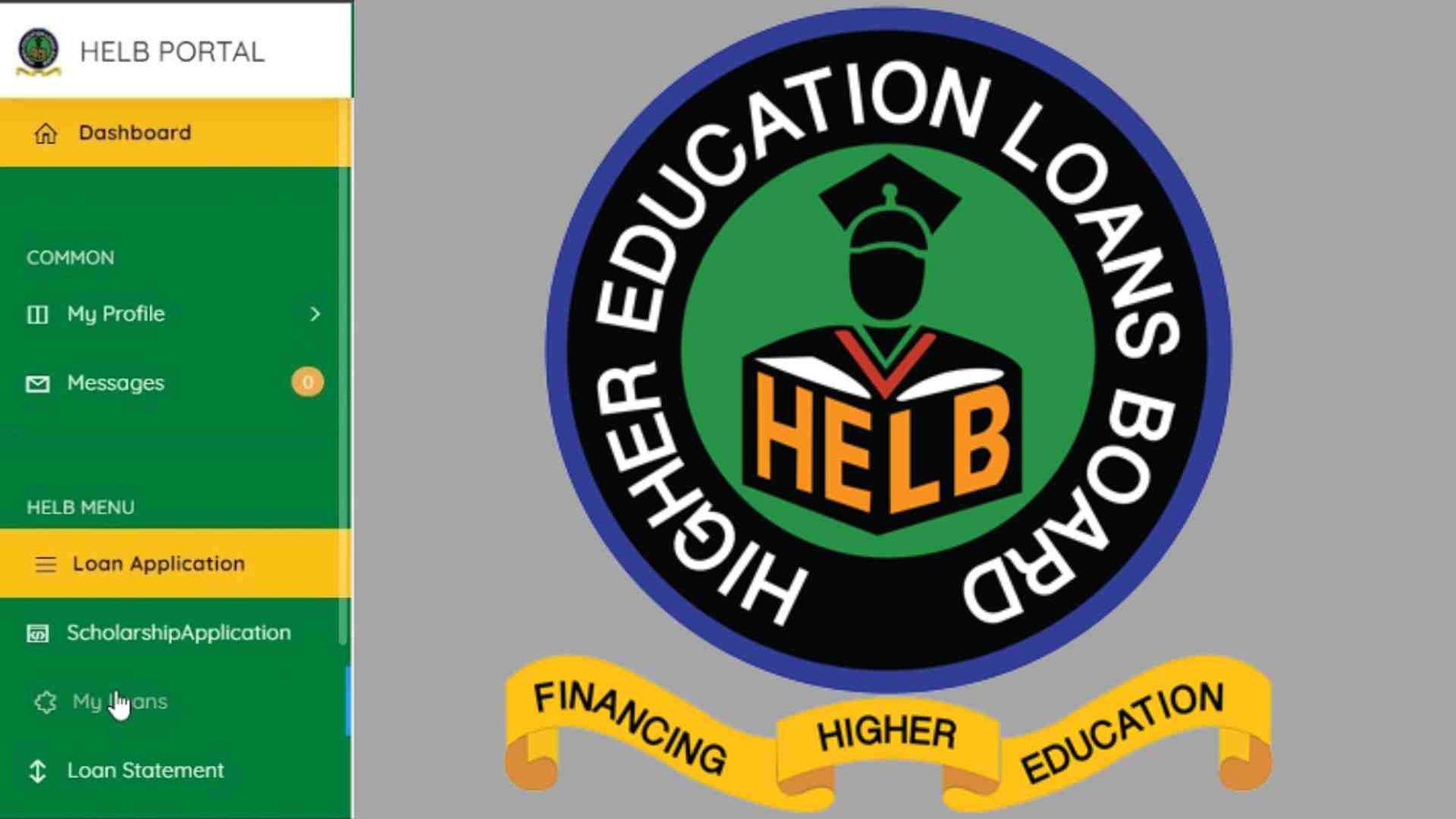
The HELB loan application guide is an essential resource for Kenyan students seeking financial support for higher education. The HELB loan application guide provides comprehensive information on how to access affordable student loans and bursaries from the Higher Education Loans Board, a government agency established to ensure no Kenyan is denied education due to lack of funds.
Since its establishment in 1995, HELB has transformed millions of lives by providing loans to students pursuing diploma, undergraduate, and postgraduate programs in universities, colleges, and TVET institutions across Kenya. With over 500,000 students benefiting annually, HELB remains the primary source of education financing for Kenyan families who cannot afford full tuition fees.

Whether you’re a Form Four graduate preparing to join university in Nairobi, a continuing student in Eldoret, a TVET student in Mombasa, or a postgraduate student in Kisumu, understanding the helb requirements, helb repayment terms, and helb interest rate is crucial. This comprehensive guide walks you through every step of the application process, from registration to disbursement and eventual repayment.
Quick Answer: HELB Loan Application Overview
HELB loan application is done online through the official HELB portal at www.helb.co.ke. Students must have a valid admission letter, National ID, KRA PIN, and active bank account. Applications open twice yearly (August-September for September intake, January-February for January intake). Loans range from Ksh 8,000 to Ksh 60,000 per academic year at 4% annual interest, with repayment beginning one year after graduation.
What Is HELB and How Does It Work?
The Higher Education Loans Board (HELB) is a state corporation under the Ministry of Education that provides loans, scholarships, and bursaries to Kenyan students pursuing higher education. Established through the Higher Education Loans Board Act, Cap 213A of the Laws of Kenya, HELB operates as a revolving fund where repaid loans support new students.
HELB’s Core Functions:
Student Financing: Providing affordable loans to students in universities, colleges, and technical institutions who cannot afford full education costs.
Bursary Programs: Offering grants and scholarships to extremely needy and vulnerable students, including orphans and students with disabilities.
Loan Recovery: Collecting repayments from graduates to maintain fund sustainability for future students.
Record Keeping: Maintaining comprehensive database of all loan beneficiaries and repayment status.
HELB recognizes that education is key to breaking the poverty cycle. The program specifically targets students from low-income families who demonstrate academic merit but lack financial resources. Unlike commercial loans that focus on profit, HELB operates with a social mandate to promote education access.
Types of HELB Funding:
Loans: Money that must be repaid after graduation with interest.
TIMEBUCKS
Low minimum
payout of just
$3 — start
earning today!
Bursaries: Grants that don’t require repayment, awarded based on exceptional need.
Scholarships: Merit or need-based awards for outstanding students.

Emergency Support: Special provisions for students facing unexpected financial crises.
The fund operates on means-testing principles, where needier students receive larger allocations. Your family’s financial situation, assessed through the online application, determines your loan and bursary amount.
TIMEBUCKS
Low minimum
payout of just
$3 — start
earning today!
HELB Requirements: Complete Eligibility Criteria
Understanding helb requirements before applying saves time and prevents disappointment. Here’s what you need:
Basic Eligibility Requirements
Citizenship:
- Must be a Kenyan citizen
- Valid National ID or Birth Certificate required
- Non-citizens and foreign students not eligible
Admission Status:
- Must have admission letter from HELB-recognized institution
- Institution must be accredited by relevant regulatory bodies
- Government-sponsored and self-sponsored students qualify
Academic Level:
- Diploma students in accredited institutions
- Undergraduate students (degree programs)
- Postgraduate students (Master’s and PhD)
- TVET students in recognized institutions
- Must be full-time student (part-time students not eligible)
Age Requirements:
- No specific age limit
- Must have valid National ID (18+ years)
- Mature entry students qualify
Financial Need:
- Demonstrate genuine financial need
- Family unable to fully finance education
- Based on means-testing assessment
Essential Documents for HELB Application
Personal Documents:
- National ID or Birth Certificate (for those under 18)
- KRA PIN certificate (mandatory)
- Passport-size photograph (digital copy)
- Valid email address
- Active mobile phone number
Academic Documents:
- Admission letter from your institution
- KCSE certificate or equivalent
- Previous education certificates (diploma for degree students)
- Student ID from your institution
- Fee structure from your institution
Financial Documents:
- Parent/guardian National ID copies
- Parent/guardian KRA PIN certificates
- Parent/guardian payslips (if employed)
- Family income declaration form
- Bank account details (in your name)
Guardian/Sponsor Information:
- Parent or guardian full names
- Their ID numbers and KRA PINs
- Contact information
- Employment and income details
- Asset declaration (land, vehicles, etc.)
Special Category Requirements
For Orphans:
- Both parents’ death certificates
- Guardian details and relationship proof
- Court guardianship documents (if applicable)
For Students with Disabilities:
- Medical certificate proving disability
- NCPWD registration card
- Detailed assessment of special needs
For Vulnerable Groups:
- Documentation proving vulnerability
- Chief’s letter or social welfare assessment
- Evidence of exceptional circumstances
Institution Requirements
Your institution must be:
- Recognized by the Commission for University Education (CUE) for universities
- Registered with TVET Authority for technical institutions
- Accredited by relevant regulatory bodies
- Listed in HELB’s approved institutions database
Courses That Qualify:
- All degree programs in recognized universities
- Diploma programs (minimum 2 years)
- Higher diplomas and advanced diplomas
- Certificate programs in TVET institutions (minimum 1 year)
- Postgraduate programs (Master’s and PhD)
- Parallel/Module II programs qualify
Courses That Don’t Qualify:
- Short courses under 1 year
- Certificate programs under 1 year
- Non-accredited programs
- Online-only programs from unrecognized institutions
- Part-time evening programs
HELB Loan Application Process: Step-by-Step Guide
The HELB application is entirely online. Follow these detailed steps:
Step 1: Create HELB Account (1 Day)
Visit HELB Portal:
- Go to official website: www.helb.co.ke
- Click on “Student Portal” or “Apply for Loan”
- Select “New Student? Register Here”
Complete Registration:
- Enter your National ID number
- Provide KRA PIN (mandatory)
- Enter valid email address
- Create strong password (mix of letters, numbers, symbols)
- Provide mobile phone number
- Upload passport-size photo
Verify Your Account:
- Check email for verification link
- Click link to activate account
- Verify mobile number through SMS code
- Login with credentials
Important Notes:
- Use your personal email (not shared)
- Keep password secure
- Your ID number becomes your username
- Registration is free—beware of scammers
Step 2: Complete Personal Profile (1-2 Days)
Once logged in, complete all profile sections:
Personal Information:
- Full names (as per ID)
- Date of birth
- Gender
- Marital status
- County and sub-county of origin
- Physical address and postal address
- Contact information
Family Background:
- Father’s full names and ID number
- Mother’s full names and ID number
- Guardian details (if parents unavailable)
- Number of siblings
- Siblings in school/college
- Family size
Parent/Guardian Economic Status:
- Father’s occupation and income
- Mother’s occupation and income
- Family assets (land, vehicles, houses)
- Monthly household income
- Source of school fees
- Economic challenges faced
Educational Background:
- Primary school attended
- KCPE performance
- Secondary school attended
- KCSE index number and grade
- Previous tertiary education (if any)
Step 3: Enter Institution and Program Details (1 Day)
Select Your Institution:
- Choose institution from dropdown list
- If not listed, contact HELB for assistance
- Ensure you select correct campus
Program Information:
- Course name
- Faculty/School/Department
- Program duration (years)
- Expected graduation year
- Mode of study (government-sponsored or self-sponsored)
- Student registration number
Upload Required Documents:
- Admission letter (PDF or JPEG)
- KCSE certificate
- Previous certificates (if applicable)
- Fee structure from institution
- Student ID card
Bank Account Details:
- Bank name
- Branch name
- Account number (in your name only)
- Ensure account is active and can receive funds
Step 4: Submit Application (1 Day)
Review All Information:
- Go through each section carefully
- Correct any errors
- Ensure all fields completed
- Verify uploaded documents are clear
Declare Information Accuracy:
- Check declaration box confirming information is truthful
- Understand penalties for false information
- Accept terms and conditions
Submit Application:
- Click “Submit Application”
- Save your application reference number
- Print or download acknowledgment slip
- Receive confirmation email
Application Deadlines:
- September intake: Applications typically August-September
- January intake: Applications typically January-February
- Continuing students: Apply during specified windows
- Check HELB website for exact dates annually
Step 5: Institution Verification (2-4 Weeks)
After submission, your institution verifies your details:
What Happens:
- HELB sends your application to your institution
- Institution verifies you’re registered student
- Confirms course details and fee structure
- Validates your admission status
- Approves or rejects verification
Your Role:
- Ensure you’re registered at your institution
- Pay any required registration fees
- Confirm institution has your correct details
- Follow up with student finance office if needed
Verification Timeline:
- Typically takes 2-4 weeks
- Can take longer during peak periods
- Check application status regularly online
Step 6: Loan Allocation (2-3 Weeks)
HELB Processing:
- After verification, HELB assesses your application
- Means-testing algorithm calculates your need
- Loan and/or bursary amount determined
- Allocation based on family economic status
Factors Affecting Allocation Amount:
- Family income level (lower income = higher allocation)
- Number of dependents in school
- Parent/guardian employment status
- Family assets declared
- Fees charged by your institution
- Availability of funds
Loan Amounts (2025/26 Academic Year):
- Undergraduate government-sponsored: Ksh 8,000 – Ksh 45,000 per year
- Undergraduate self-sponsored: Ksh 8,000 – Ksh 60,000 per year
- Diploma students: Ksh 8,000 – Ksh 50,000 per year
- TVET students: Ksh 8,000 – Ksh 40,000 per year
- Postgraduate: Ksh 10,000 – Ksh 60,000 per year
Bursary Allocations:
- Extremely needy students: Ksh 5,000 – Ksh 30,000 (non-repayable)
- Bursaries awarded based on vulnerability index
Check Allocation:
- Login to HELB portal
- View allocation status
- See breakdown of loan and bursary amounts
- Print allocation letter
Step 7: Loan Disbursement (2-6 Weeks)
Disbursement Process:
Direct to Student Account:
- Most loans disbursed directly to student bank accounts
- SMS notification when funds sent
- Usually in two installments per year
- First semester and second semester disbursements
Direct to Institution:
- Some institutions receive funds directly
- Applied to your fee balance
- Check with your institution’s finance office
Disbursement Timeline:
- First-time applicants: 6-8 weeks after allocation
- Continuing students: 4-6 weeks after application
- Delays common at start of semester
What to Do After Receiving Funds:
- Confirm amount in your account
- Use strictly for education expenses
- Pay tuition fees immediately
- Keep receipts and records
- Budget remaining funds carefully
HELB Interest Rate and Loan Terms
Understanding the helb interest rate and repayment structure is crucial for every borrower.
Interest Rate
Current HELB Interest Rate:
- 4% per annum (one of the lowest in Kenya)
- Charged on reducing balance
- Interest starts accumulating from disbursement
- Significantly lower than commercial loans (13-18%)
Interest Calculation:
- Calculated annually on outstanding balance
- Simple interest model
- Interest continues during moratorium period
- Total interest depends on repayment speed
Example Calculation:
If you borrow Ksh 200,000 total over 4 years:
- Principal: Ksh 200,000
- Interest rate: 4% per annum
- If repaid over 10 years: Total interest approximately Ksh 44,000
- Total repayment: Approximately Ksh 244,000
Loan Repayment Terms
Grace Period (Moratorium):
- Repayment begins one year after graduation/completion
- Grace period allows time to find employment
- Interest continues accumulating during grace period
- No payments required during this year
Repayment Period:
- Standard term: Up to 4 years after grace period
- Extended term: Can be extended to 20 years based on circumstances
- Flexible repayment schedules available
- Can pay faster to reduce interest
Repayment Methods:
M-Pesa (Most Common):
- Paybill Number: 200800
- Account Number: Your National ID number
- Available 24/7
- Instant confirmation
Bank Deposit:
- Any bank branch nationwide
- Account Name: Higher Education Loans Board
- Include your ID number as reference
Salary Check-off:
- If formally employed
- Employer deducts monthly and remits to HELB
- Convenient and automatic
Standing Order:
- Set up with your bank
- Automatic monthly deductions
- Ensures consistent repayment
HELB Repayment Requirements
Mandatory Repayment Registration:
- All graduates must register for repayment within one year of completion
- Visit HELB portal and update graduation status
- Provide employment details (if employed)
- Failure to register leads to penalties
Monthly Repayment Amounts:
Based on loan size and repayment period chosen:
- Ksh 100,000 loan: Approximately Ksh 2,200 – Ksh 5,500 monthly
- Ksh 200,000 loan: Approximately Ksh 4,400 – Ksh 11,000 monthly
- Ksh 300,000 loan: Approximately Ksh 6,600 – Ksh 16,500 monthly
Penalties for Late Payment:
- Interest continues accumulating
- Negative CRB listing affects credit score
- May face legal action
- Difficulty getting future loans
- Possible salary attachment
- Travel restrictions (at airports)
Benefits of Early Repayment:
- Reduces total interest paid
- No prepayment penalties
- Clears debt faster
- Improves credit score
- Peace of mind
Special HELB Programs and Support
HELB offers additional support beyond standard loans:
HELB Bursaries
Who Qualifies:
- Extremely needy students
- Orphans and vulnerable children
- Students with disabilities
- Students from marginalized communities
- Students from very poor families
Bursary Amounts:
- Ksh 5,000 – Ksh 30,000 per year
- Does not require repayment
- Awarded alongside loans
Scholarships
Merit-based Scholarships:
- For academically excellent students
- Based on KCSE performance
- Covers tuition partially or fully
Special Category Scholarships:
- Students with disabilities
- Students from ASAL areas
- Girls in STEM programs
Emergency Loans
For students facing unexpected crises:
- Medical emergencies
- Loss of parent/guardian
- Natural disasters affecting family
- Apply through institution welfare office
Upkeep Loans
Additional support for:
- Accommodation costs
- Books and learning materials
- Research expenses
- Practical attachments
Tips for Successful HELB Loan Application
Maximize your allocation with these strategies:
Before Applying
Prepare Documents Early:
- Gather all required documents
- Ensure everything is current
- Make clear digital copies
- Organize systematically
Get Correct KRA PIN:
- Apply for KRA PIN early if you don’t have one
- Parents/guardians need PINs too
- Visit KRA iTax portal or nearest office
Open Bank Account:
- Open account in your name only
- Equity, KCB, Cooperative Bank widely used
- Ensure account is active
During Application
Be Honest About Family Status:
- Declare actual family income truthfully
- Don’t exaggerate poverty
- Don’t hide family assets
- System detects inconsistencies
Provide Accurate Information:
- Double-check all entries
- Ensure names match ID exactly
- Use correct contacts
- Verify bank details
Upload Clear Documents:
- Scan documents clearly
- Ensure text is readable
- Use PDF format for formal documents
- Keep file sizes manageable
After Applying
Track Application Status:
- Login regularly to check progress
- Respond to any queries promptly
- Keep communication channels open
Follow Up with Institution:
- Ensure your institution verified details
- Visit student finance office if delays occur
- Confirm institution has submitted verification
Plan Fund Usage:
- Budget for entire semester
- Prioritize tuition fees first
- Allocate for books and essentials
- Avoid wasteful spending
Frequently Asked Questions (FAQ)
What are the main HELB requirements for first-time applicants in 2026?
HELB requirements include being a Kenyan citizen with a valid National ID, KRA PIN, admission letter from a recognized institution, active bank account in your name, parent/guardian details with their IDs and KRA PINs, and family income declaration. You must be a full-time student in an accredited program.
When does HELB repayment start and how much do I pay monthly?
HELB repayment begins one year after completing your studies (graduation or completion date). Monthly payment amounts depend on your total loan and chosen repayment period, typically ranging from Ksh 2,000 to Ksh 15,000 monthly. You can choose repayment periods from 4 to 20 years.
What is the current HELB interest rate and how is it calculated?
The HELB interest rate is 4% per annum, calculated on reducing balance. This means interest is charged on the remaining loan balance, not the original amount. Interest accumulates from the day of disbursement and continues during the one-year grace period after graduation.
Can I apply for HELB loan if I’m self-sponsored or in a private university?
Yes, both government-sponsored and self-sponsored students qualify for HELB loans. Students in private universities, public universities, and accredited colleges can all apply. Self-sponsored students often receive slightly higher allocations due to higher fee structures.
How long does HELB loan application processing take?
The complete HELB loan process takes 6-12 weeks from application submission to disbursement. This includes institution verification (2-4 weeks), HELB processing and allocation (2-3 weeks), and disbursement (2-6 weeks). First-time applicants typically wait longer than continuing students.
What happens if I don’t repay my HELB loan after graduation?
Failure to repay HELB loan leads to negative CRB listing, legal action, salary attachment for employed graduates, travel restrictions at airports, difficulty accessing other loans, and penalties that increase your debt. HELB works with employers and other agencies to enforce repayment.
Can I get both a HELB loan and bursary at the same time?
Yes, eligible students can receive both loan and bursary allocations. The bursary portion (which doesn’t require repayment) is awarded to extremely needy students based on means-testing. Your total allocation will show the breakdown between loan and bursary amounts.
Conclusion
This HELB loan application guide provides everything you need to successfully access government funding for your education. Understanding helb requirements, the application process, helb interest rate, and helb repayment terms empowers you to make informed decisions about financing your education.
HELB represents the Kenyan government’s commitment to ensuring every talented student can pursue higher education regardless of family financial status. At just 4% annual interest with a one-year grace period after graduation, HELB offers the most affordable student financing available in Kenya.
The key to maximizing your HELB allocation lies in timely application, honest declaration of family financial status, and complete documentation. Remember that HELB operates on means-testing principles—the needier your family situation, the higher your allocation.
Don’t let financial constraints stop you from achieving your academic dreams. Whether you’re pursuing a diploma in teaching, an undergraduate degree in engineering, or a postgraduate program in medicine, HELB provides the financial support you need.
Start your HELB application today by visiting www.helb.co.ke, and take the first step toward securing your educational future. Remember that education is an investment in yourself—one that will pay dividends throughout your life.
TIMEBUCKS
Low minimum
payout of just
$3 — start
earning today!