Is Blogging Better Than Dropshipping? Complete Business Comparison

 TIMEBUCKS
Low minimum
payout of just
$3 — start
earning today!
Blogging is better than dropshipping for beginners with limited budgets who want to build long-term passive income through content creation. Dropshipping suits those willing to invest in advertising and inventory management for faster revenue. Blogging requires minimal startup costs ($50-$200) and builds sustainable organic traffic, while dropshipping demands ongoing ad spend ($500-$2,000 monthly) but can generate quicker profits within 3-6 months.
Introduction
Choosing between blogging and dropshipping can make or break your online income journey.
Both business models promise financial freedom and location independence. But they require completely different skills, budgets, and timelines to succeed.
If you start the wrong one, you’ll waste months of effort and hundreds (or thousands) of dollars with nothing to show for it.
This guide breaks down the blogging vs ecommerce debate with real numbers, honest timelines, and practical steps. You’ll learn which online business comparison makes sense for your situation, budget, and goals.
By the end, you’ll know exactly which path to take and how to start today.

What Is Blogging Better Than Dropshipping?
The question “is blogging better than dropshipping” compares two fundamentally different online business models.
Blogging involves creating valuable content on a website to attract organic traffic from search engines. You monetize through ads, affiliate marketing, sponsored posts, or selling digital products.
Dropshipping means selling physical products online without holding inventory. When customers order, suppliers ship directly to them while you keep the profit margin.
Neither is universally “better.” The right choice depends on your budget, skills, risk tolerance, and timeline expectations.
Why This Online Business Comparison Matters
Making the wrong choice costs you time and money you can’t get back.
Here’s why this decision is critical:

Financial Impact: Dropshipping requires $1,000-$5,000 to start profitably. Blogging needs $50-$200 initially.
TIMEBUCKS
Low minimum
payout of just
$3 — start
earning today!
Time Investment: Blogging takes 12-18 months to generate meaningful income. Dropshipping can produce revenue within 3-6 months.
Skill Requirements: Blogging demands writing and SEO knowledge. Dropshipping requires paid advertising and customer service skills.

Scalability: Blogging builds passive income that grows over time. Dropshipping requires constant ad spending to maintain sales.
The blogging business model creates long-term assets. Dropshipping generates quicker cash flow but depends on ongoing marketing.
TIMEBUCKS
Low minimum
payout of just
$3 — start
earning today!
Understanding these differences prevents you from choosing a path that doesn’t match your resources or personality.
Blogging vs Ecommerce: Key Differences
Let’s break down how blogging compares to dropshipping across critical factors.
Startup Costs
Blogging:
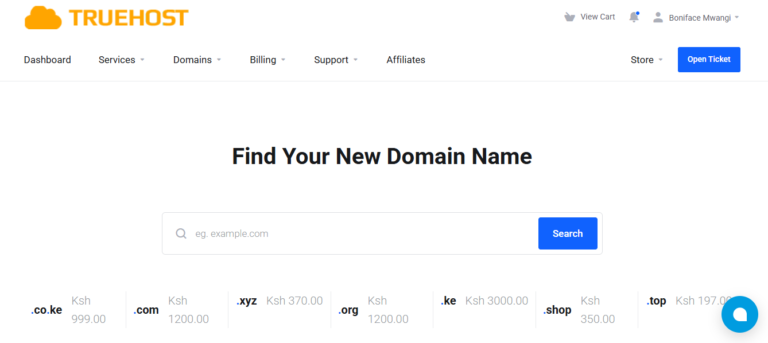
- Domain name: $10-$15/year
- Web hosting: $3-$10/month
- WordPress theme: $0-$60 (one-time)
- Total first year: $50-$200
Dropshipping:
- Shopify subscription: $39/month
- Domain name: $10-$15/year
- Product research tools: $30-$50/month
- Initial ad budget: $500-$1,000
- Total first 3 months: $1,000-$2,000
Revenue Timeline
Blogging:
- Months 1-6: $0-$50
- Months 6-12: $100-$500
- Months 12-18: $500-$2,000
- After 18 months: $2,000-$10,000+
Dropshipping:
- Month 1: $0-$500
- Months 2-3: $500-$2,000
- Months 4-6: $2,000-$5,000
- After 6 months: $5,000-$20,000 (with successful products)
Daily Time Commitment
Blogging:
- First 6 months: 2-4 hours daily (content creation)
- After 6 months: 1-2 hours daily (maintenance, new content)
- Can be done part-time
Dropshipping:
- First 3 months: 4-6 hours daily (testing, ads, customer service)
- After 3 months: 3-5 hours daily (scaling, support)
- Requires consistent daily attention
Skills Required
Blogging:
- Content writing
- SEO optimization
- Keyword research
- Basic WordPress management
- Email marketing
Dropshipping:
- Facebook/TikTok/Google Ads
- Product research
- Supplier communication
- Customer service
- Conversion rate optimization
Step-by-Step: How to Decide Between Blogging and Dropshipping
Use this decision framework to choose the right path.
Step 1: Assess Your Available Budget
Choose Blogging If:
- You have less than $500 to invest
- You need to start with minimal financial risk
- You can’t afford ongoing monthly advertising costs
Choose Dropshipping If:
- You have $1,500-$3,000 to invest upfront
- You can sustain $500-$1,000 monthly ad spend for 6 months
- You’re comfortable with higher financial risk
Step 2: Evaluate Your Timeline
Choose Blogging If:
- You can wait 12-18 months for significant income
- You have another income source (job, savings)
- You want to build long-term passive income
Choose Dropshipping If:
- You need income within 3-6 months
- You can commit full-time immediately
- You’re willing to actively manage the business daily
Step 3: Match Your Skills and Interests
Choose Blogging If:
- You enjoy writing and creating content
- You’re passionate about a specific topic or niche
- You prefer learning SEO over paid advertising
- You like building relationships through content
Choose Dropshipping If:
- You’re comfortable with numbers and data analysis
- You enjoy testing and optimizing advertisements
- You don’t mind handling customer complaints
- You’re interested in selling products, not creating content
Step 4: Consider Your Risk Tolerance
Blogging Risks:
- Time investment with no guaranteed results
- Algorithm changes affecting traffic
- Slow income growth
Dropshipping Risks:
- Money lost on failed ad campaigns
- Inventory issues with suppliers
- Chargebacks and customer disputes
- Platform policy changes
Choose blogging for lower financial risk. Choose dropshipping if you can handle losing your initial investment.
Step 5: Think About Your Long-Term Vision
Blogging Builds:
- Owned content assets
- Email list and community
- Multiple income streams (ads, affiliates, products)
- Authority in your niche
Dropshipping Builds:
- Revenue-generating store
- Customer data and insights
- Advertising expertise
- Supplier relationships
Tools, Platforms, and Methods Needed
For Blogging
Essential Tools:
- WordPress (free, open-source platform)
- Bluehost or SiteGround (hosting, $3-$10/month)
- Google Search Console (free, tracks search performance)
- Ahrefs or SEMrush (keyword research, $99-$119/month)
- Grammarly (content editing, free basic version)
Monetization Methods:
- Google AdSense (display ads)
- Amazon Associates (affiliate marketing)
- ShareASale or CJ Affiliate (more affiliate programs)
- Sponsored post marketplaces (Mediavine, AdThrive)
- Selling digital products (ebooks, courses)
For Dropshipping
Essential Tools:
- Shopify (ecommerce platform, $39/month)
- Oberlo or DSers (product sourcing, free-$30/month)
- Facebook Business Manager (ad campaigns, free)
- Google Analytics (traffic tracking, free)
- Canva (ad creative design, free-$13/month)
Monetization Methods:
- Product markup (typically 2-3x cost)
- Upsells and cross-sells at checkout
- Email marketing to repeat customers
- Subscription boxes for recurring revenue
Common Mistakes to Avoid
Blogging Mistakes
Mistake 1: Choosing Too Broad a Niche
Don’t start a blog about “lifestyle” or “making money.” These topics are too competitive.
Instead, narrow down to “making money with Etsy printables” or “budgeting for single parents.”
Mistake 2: Publishing Without Keyword Research
Writing random topics wastes time. Every article should target specific search terms people actually use.
Use tools like Ubersuggest or AnswerThePublic to find what people search for.
Mistake 3: Expecting Quick Results
Blogging is a marathon, not a sprint. Most successful bloggers see no income for the first 6-9 months.
Don’t quit before search engines index and rank your content.
Mistake 4: Neglecting Email Lists
Your blog traffic comes from Google. If Google changes its algorithm, your traffic disappears.
Build an email list from day one to own your audience.
Dropshipping Mistakes
Mistake 1: Picking Oversaturated Products
Everyone sells phone cases and fidget spinners. Competition drives ad costs up and profits down.
Use product research tools to find trending, low-competition products.
Mistake 2: Poor Supplier Selection
Cheap suppliers mean slow shipping and quality issues. This creates refund requests and bad reviews.
Order samples before listing products. Test shipping times to your target countries.
Mistake 3: Underfunding Ad Campaigns
Starting with $100 ad budget isn’t enough to test properly. You’ll run out of money before finding winning products.
Budget at least $500-$1,000 for initial testing across multiple products.
Mistake 4: Ignoring Customer Service
Dropshipping means dealing with shipping delays, quality complaints, and refund requests.
Set up email templates and clear policies before launching. Plan to spend 1-2 hours daily on support.
Realistic Expectations and Timeline
Blogging Timeline
Months 1-3: Foundation Phase
- Write 20-30 articles
- Set up basic SEO
- Earn $0-$20
- Traffic: 100-500 visitors/month
Months 4-6: Growth Phase
- Publish 40-60 total articles
- Start seeing organic traffic
- Earn $50-$200
- Traffic: 1,000-3,000 visitors/month
Months 7-12: Momentum Phase
- Reach 80-100 articles
- Rankings improve significantly
- Earn $300-$1,000
- Traffic: 5,000-15,000 visitors/month
Months 12-18: Income Phase
- 100-150+ articles
- Multiple income streams active
- Earn $1,000-$5,000
- Traffic: 20,000-50,000+ visitors/month
Dropshipping Timeline
Month 1: Setup and Testing
- Build store and add 15-25 products
- Launch first ad campaigns
- Earn $0-$500 (mostly break-even)
- Orders: 5-20
Months 2-3: Product Testing
- Test 20-40 products
- Identify 2-3 potential winners
- Earn $500-$2,000
- Orders: 30-80
Months 4-6: Scaling Phase
- Focus on winning products
- Increase ad budgets
- Earn $2,000-$8,000
- Orders: 100-300
Months 6-12: Optimization Phase
- Scale successful campaigns
- Expand to new platforms
- Earn $5,000-$20,000+
- Orders: 300-800+
Pros and Cons Comparison
Blogging Pros
- Low startup costs ($50-$200)
- Builds long-term passive income
- Creates owned content assets
- No inventory or shipping headaches
- Flexible work schedule
- Multiple monetization options
- Scales without proportional cost increases
Blogging Cons
- Very slow to generate income (12-18 months)
- Requires consistent content creation
- Depends heavily on Google algorithm
- Competitive in popular niches
- Writing skills essential
- Traffic can disappear with algorithm updates
Dropshipping Pros
- Faster path to revenue (3-6 months)
- No product creation needed
- Scalable with successful products
- Can test multiple products quickly
- Higher income potential short-term
- Learn valuable paid advertising skills
Dropshipping Cons
- High startup costs ($1,000-$5,000)
- Requires ongoing ad spending
- Customer service intensive
- Supplier reliability issues
- Thin profit margins (15-30%)
- Competitive advertising costs
- Not truly passive income
Blogging vs Ecommerce: Which Makes More Money?
The answer depends on your timeline and definition of success.
Short-term (6-12 months): Dropshipping typically generates more revenue. Successful dropshippers can reach $5,000-$20,000 monthly within 6-9 months.
Long-term (18-36 months): Blogging often surpasses dropshipping in profitability and sustainability. Established blogs generate $5,000-$50,000+ monthly with minimal ongoing costs.
Profit Margins: Blogging wins with 80-95% profit margins. Dropshipping typically runs 15-30% margins after advertising and product costs.
Sustainability: Blogging creates compound growth. Each article continues driving traffic for years. Dropshipping requires constant ad spending to maintain revenue.
Most millionaire bloggers took 3-5 years to build their income. Most successful dropshippers either scale to multiple six figures quickly or burn out within 18 months.
Can You Do Both?
Yes, and many entrepreneurs successfully combine both models.
Strategy 1: Start with Blogging, Add Dropshipping Later
Build a blog in a specific niche (example: fitness for busy moms). Once you have traffic, launch a dropshipping store selling related products (example: workout equipment).
Your blog drives free, targeted traffic to your store. This reduces advertising costs significantly.
Strategy 2: Start with Dropshipping, Build Authority Through Blogging
Run a dropshipping store first to generate cash flow. Use profits to hire content writers for a blog in the same niche.
The blog builds long-term SEO while dropshipping funds growth.
Best Hybrid Approach:
Focus on mastering one model first. Split efforts only after achieving $2,000+ monthly income from your first business.
Trying both simultaneously as a beginner leads to mediocre results in both.
Frequently Asked Questions
Is blogging more profitable than dropshipping long-term?
Yes, blogging typically becomes more profitable after 18-24 months due to compound traffic growth and higher profit margins (80-95% vs 15-30%). However, dropshipping can generate revenue faster in months 3-6.
How much money do I need to start blogging vs dropshipping?
Blogging requires $50-$200 initially (domain, hosting, theme). Dropshipping needs $1,500-$3,000 (platform fees, product samples, initial ad budget for 3 months). Dropshipping has 10-15x higher startup costs.
Which is easier for complete beginners?
Blogging is easier to start with lower financial risk and simpler learning curve. You can learn while building. Dropshipping requires understanding paid ads, which has a steeper learning curve and burns money during the learning phase.
Can blogging replace a full-time income?
Yes, but typically takes 18-36 months to reach $3,000-$5,000 monthly income. Many bloggers eventually earn $10,000-$50,000+ monthly, but requires consistent content creation and audience building during the growth phase.
What are the best niches for blogging vs dropshipping?
For blogging: personal finance, health and wellness, parenting, home improvement, and tech tutorials work well. For dropshipping: beauty products, pet accessories, home decor, fitness equipment, and trending gadgets perform best.
Do I need technical skills for either business?
Blogging requires basic WordPress knowledge (learnable in days) and content writing. Dropshipping needs understanding of Facebook Ads Manager, Google Analytics, and ecommerce platforms. Both are learnable, but dropshipping has more technical components.
How much time does each business model require weekly?
Blogging requires 10-20 hours weekly initially (mostly content creation), reducing to 5-10 hours after 12 months. Dropshipping demands 20-40 hours weekly consistently for ad management, customer service, and product testing.
Is dropshipping dying in 2025?
Dropshipping isn’t dying but is more competitive. Success requires better product research, higher quality suppliers, and sophisticated advertising strategies. Beginners face steeper challenges than 3-5 years ago, but opportunities still exist in untapped niches.
Can I automate blogging or dropshipping?
Blogging can be 80% automated after 18 months through outsourcing content and using scheduling tools. Dropshipping can automate order fulfillment but still requires daily ad monitoring and customer service. Neither becomes completely hands-off.
Which builds a more valuable business asset?
Blogging builds a more valuable asset. Established blogs sell for 30-50x monthly earnings. Dropshipping stores sell for 2-4x monthly profit due to dependence on paid ads and less predictable revenue streams.
The blogging business model builds wealth slowly. Dropshipping generates cash flow faster but requires more capital and risk.
Most importantly: pick one and commit for at least 6 months before judging results. Switching between models wastes time and guarantees failure in both.
Your online business comparison should consider your current finances, available time, and 12-month goals. Choose based on reality, not hype.
Now stop researching and start building. Your future income depends on the actions you take today.
TIMEBUCKS
Low minimum
payout of just
$3 — start
earning today!