 TIMEBUCKS
Low minimum
payout of just
$3 — start
earning today!
If you’re on social media, you’ve probably seen countless Telegram or WhatsApp groups promising profitable forex signals. They claim to share “winning trades” that will make you money with little effort. But are forex signals from Telegram or WhatsApp groups reliable? The short answer is: most are not. While a few legitimate signal providers exist, the majority are either scams, unreliable, or run by people with no real trading expertise.
This comprehensive guide explains what forex signals are, why most Telegram and WhatsApp signal groups fail, how to identify the few legitimate ones, and why learning to trade yourself is almost always the better option.
What Are Forex Signals?
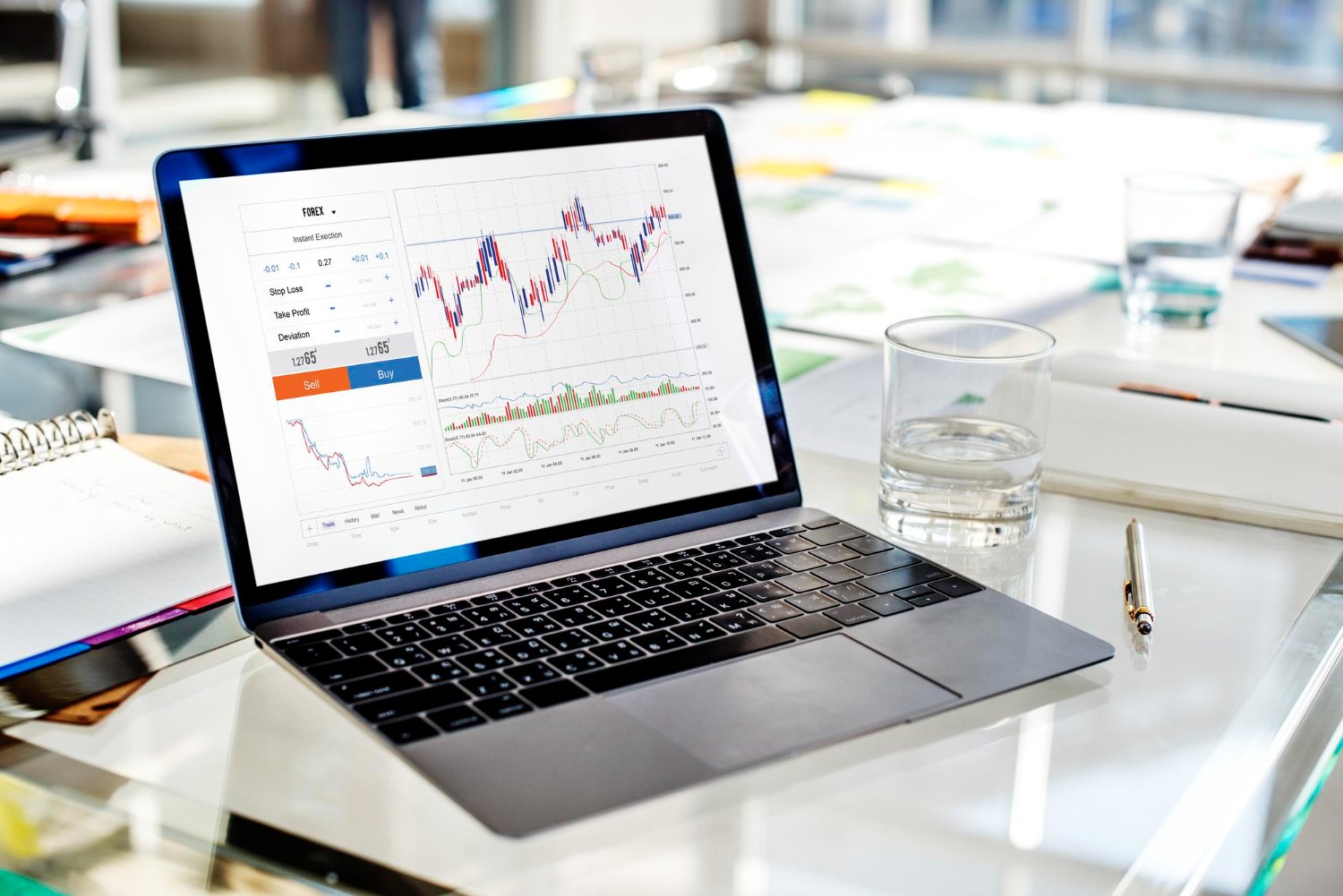
Forex signals are trade recommendations that tell you when to buy or sell a currency pair. A typical signal includes:
- Currency pair (e.g., EUR/USD)
- Entry point (the price to enter the trade)
- Stop loss (where to exit if the trade goes wrong)
- Take profit (target price to close the trade)
- Direction (buy or sell)
Example Signal:
EUR/USD
BUY at 1.0850
Stop Loss: 1.0820
Take Profit: 1.0920
Signals can be delivered through various channels, but Telegram and WhatsApp have become extremely popular because they’re free, instant, and easy to use. However, this ease of access also makes these platforms perfect for scammers and unqualified “traders.”
Why Telegram and WhatsApp Are Popular for Forex Signals
Instant Communication
Signals can be sent immediately when trading opportunities arise, and members receive instant notifications.
Easy Group Management
Anyone can create a group and add thousands of members within minutes, requiring no technical skills or verification.
No Verification Required
Unlike regulated platforms, Telegram and WhatsApp don’t verify the credentials or track records of signal providers. Anyone can claim to be an expert.
Free to Join
Most groups are free to join initially, making them attractive to beginners looking for “easy” money without investment.
TIMEBUCKS
Low minimum
payout of just
$3 — start
earning today!
Anonymity
Scammers can operate anonymously, delete groups when caught, and create new ones with different names easily.

The Hard Truth About Most Forex Signal Groups
Most Signal Providers Are Not Profitable Traders
Here’s an uncomfortable reality: many people running signal groups cannot trade profitably themselves. They create groups for other reasons:
To Sell Premium Services
TIMEBUCKS
Low minimum
payout of just
$3 — start
earning today!
Free groups are marketing tools. After sharing some signals (which may or may not work), they push paid “VIP” groups claiming higher accuracy. Once you pay, the signals are no better—sometimes worse.
To Earn Broker Commissions
Some signal providers make money through broker referral programs. They get paid when you sign up and trade through their affiliate links, regardless of whether you profit or lose.
To Scam Members
After building trust with accurate-looking screenshots, they promote fake investment schemes, sell worthless courses, or even run Ponzi schemes.
For Ego and Attention
Some people run signal groups simply to appear successful or knowledgeable, even though they have limited trading experience.
The Mathematics Work Against You
Even if a signal provider has a 60% win rate (which is good), several factors reduce your actual profitability:
Execution Delays
By the time you receive the signal and place the trade, the price may have moved. Even a 10-second delay can turn a winning signal into a losing trade.
Spread and Commission
Your broker charges spreads (the difference between buy and sell prices) and possibly commissions. These costs eat into your profits but aren’t shown in the signal provider’s screenshots.
Different Broker Prices
Your broker’s price might be slightly different from the signal provider’s broker. This means your entry and exit points differ, affecting results.
Slippage
During volatile market conditions, your order might execute at a different price than intended, especially with market orders.
Psychological Factors
You might enter late due to hesitation, exit early due to fear, or skip signals you don’t trust. These deviations from the original signal reduce your results.
Screenshots Can Be Easily Faked
Many Telegram and WhatsApp groups share impressive-looking profit screenshots. However:
- Demo accounts look identical to real accounts
- Screenshots can be edited using free software
- They only show winning trades, hiding losses
- Past performance doesn’t guarantee future results
- Some use backtesting results, which don’t reflect real trading
Important: Never trust screenshots as proof of profitability. They prove nothing about real trading performance.
Common Types of Unreliable Signal Groups
The “Free Signals” Funnel
How It Works:
- Free group shares occasional signals
- Some signals win, some lose (random chance)
- After a few weeks, they announce a “premium” or “VIP” group
- Premium group costs KES 5,000-50,000 monthly
- Premium signals are no better than free ones
Red Flags:
- Constant pressure to upgrade
- Claims that VIP group never loses
- No verifiable track record
- High pressure sales tactics
The Broker Affiliate Group
How It Works:
- Provider shares signals but emphasizes using a specific broker
- They earn commissions when you trade through their link
- Signals encourage frequent trading to maximize their commissions
- Quality of signals is secondary to trading volume
Red Flags:
- Insistence on using their broker
- Too many signals daily
- Encouragement to increase lot sizes
- Focus on trading frequency over quality
The Lifestyle Scammer
How It Works:
- Posts pictures of luxury cars, cash, watches
- Claims forex trading bought everything
- Shares occasional signals to appear legitimate
- Eventually promotes a scam investment or account management service
Red Flags:
- Excessive lifestyle displays
- Claims of unrealistic profits (1000% returns)
- Pressure to invest with them directly
- No educational content, only profit claims
The Copy-Paste Group
How It Works:
- Admin copies signals from paid services or other groups
- Signals arrive late, reducing effectiveness
- No understanding of why trades are taken
- Cannot answer questions about strategy
Red Flags:
- Delayed signals
- Cannot explain trading logic
- No interaction or education
- Inconsistent posting schedule
The Martingale/Recovery Scam
How It Works:
- Uses dangerous strategies like martingale (doubling position size after losses)
- Shows impressive wins initially
- Eventually, a string of losses wipes out accounts
- Blames “market manipulation” when members lose money
Red Flags:
- Signals telling you to increase lot size after losses
- No stop losses or very wide stop losses
- Claims of “recovery” systems
- Trades against obvious trends
Are There Any Reliable Signal Providers?
Yes, but they’re rare. Legitimate signal providers typically have these characteristics:
Verified Track Record
- Independently verified results (not just screenshots)
- Third-party tracking through services like Myfxbook
- Transparent history showing both wins and losses
- Realistic performance (not 90%+ win rates)
Professional Transparency
- Clear explanation of their trading strategy
- Educational content explaining why trades are taken
- Risk management guidance with every signal
- Honest about losses when they occur
Reasonable Costs
- Pricing that reflects realistic value (KES 2,000-10,000 monthly)
- Money-back guarantee or trial period
- No pressure to upgrade to expensive tiers
- Clear refund policy
No Additional Sales
- Doesn’t push broker affiliates aggressively
- Doesn’t promote investment schemes
- Focuses purely on signal quality
- No lifestyle marketing or get-rich-quick claims
Educational Focus
- Teaches you why signals work
- Helps you develop your own trading skills
- Encourages risk management
- Builds your independence as a trader
Reality Check: Even the best signal providers cannot guarantee profits. Forex trading inherently involves risk, and past performance never guarantees future results.
Why Learning to Trade Yourself Is Better
Instead of relying on Telegram or WhatsApp signals, consider these advantages of learning to trade:
Independence and Control
- You understand why you take trades
- You can adapt to changing market conditions
- You’re not dependent on someone else’s schedule
- You develop a valuable skill for life
Better Risk Management
- You control your own risk levels
- You can adjust strategies to your personal situation
- You’re not following signals blindly
- You make decisions based on your own analysis
No Monthly Fees
- Free educational resources are widely available
- No recurring costs for signals
- Your only costs are broker fees
- Knowledge investment pays long-term dividends
Psychological Ownership
- You trust your own decisions
- You learn from your mistakes
- You build confidence gradually
- You’re not second-guessing signal providers
Customization
- Trade currency pairs you understand
- Trade during hours that suit your schedule
- Use strategies that match your personality
- Adjust position sizes to your capital
How to Evaluate a Signal Group Before Joining
If you still want to try signal groups, use this evaluation process:
Check Their Track Record
- Ask for verified Myfxbook link (third-party tracking)
- Review at least 6-12 months of history
- Look at drawdown (largest losing period)
- Calculate actual risk-reward ratios
- Verify win rate claims
Test with Small Amounts
- Join free group first if available
- Follow signals on demo account initially
- Track results honestly for at least one month
- Only risk real money after verification
- Start with minimum position sizes
Ask Critical Questions
- What is your trading strategy?
- How do you manage risk?
- What was your worst losing streak?
- Can I see your verified track record?
- What happens if I lose money?
Watch for Red Flags
- Guaranteed profit claims
- Pressure to join quickly
- Cannot provide verified results
- Excessive lifestyle marketing
- Defensive responses to questions
Consider the Mathematics
- Calculate total pips gained/lost
- Factor in your broker’s spreads
- Account for execution delays
- Consider psychological factors
- Be realistic about following every signal
Protecting Yourself from Signal Scams
Never Pay Upfront for Unproven Services
Don’t pay thousands of shillings for signals without verified proof of performance. Legitimate providers offer trial periods or money-back guarantees.
Don’t Give Account Access
Never share your broker login credentials with signal providers offering “managed” accounts. This is extremely risky.
Verify All Claims
Don’t trust screenshots. Ask for third-party verified track records through services like Myfxbook or FX Blue.
Start Small
If testing signals, use the minimum position size your broker allows. Don’t risk significant capital on unproven services.
Keep Records
Document all signals received and your actual results. This helps you evaluate performance objectively.
Trust Your Instincts
If something feels wrong or too good to be true, walk away. Legitimate opportunities don’t require pressure tactics.
Alternatives to Telegram and WhatsApp Signal Groups
Self-Education
Free Resources:
- BabyPips.com (comprehensive forex education)
- YouTube channels from verified traders
- Trading forums with experienced traders
- Broker educational materials
- Free demo accounts for practice
Paid Education:
- Structured courses from verified educators
- Mentorship programs with proven traders
- Books by successful traders
- Paid webinars and workshops
Trading Communities
Instead of signal groups, join communities focused on education:
- Discussion forums where traders share analysis
- Study groups that analyze markets together
- Mentorship programs that teach rather than give signals
- Local trading meetups (verify legitimacy first)
Algorithmic Trading
For those interested in automated signals:
- Learn to code simple trading algorithms
- Use well-reviewed Expert Advisors (EAs)
- Backtest strategies thoroughly
- Start with conservative strategies
Copy Trading Platforms
Some regulated brokers offer copy trading:
- eToro, ZuluTrade, and similar platforms
- Verify trader statistics before copying
- Start with small amounts
- Understand you still risk losses
- Choose traders with realistic, consistent returns
What Kenyan Traders Should Know
Regulatory Environment
The Capital Markets Authority (CMA) does not regulate forex signal providers. You have limited recourse if scammed by a signal service.
Payment Methods
Be cautious when signal providers ask for M-Pesa payments. These are difficult to reverse if the service is fraudulent.
Cultural Pressure
Don’t join signal groups just because friends or family members are using them. Make independent decisions based on verification.
Realistic Expectations
No signal provider can make you rich quickly. Successful trading requires time, learning, and proper risk management.
Local Scams
Be especially wary of signal providers targeting Kenyan audiences specifically. Verify their credentials thoroughly.
Frequently Asked Questions
Are forex signals from Telegram or WhatsApp groups reliable?
Most are not reliable. While a few legitimate signal providers exist, the majority are run by people who either cannot trade profitably, are scammers, or are simply copying signals from other sources. The ease of creating these groups means anyone can claim expertise without verification.
Can I make money following free forex signals?
It’s unlikely. Free signal groups are usually marketing funnels to sell expensive premium services, or they’re run by people earning broker commissions. Even signals that appear profitable often don’t translate to real profits due to execution delays, spreads, and different broker prices.
How can I tell if a signal provider is legitimate?
Look for third-party verified track records (like Myfxbook), transparent history showing both wins and losses, educational content explaining trades, and reasonable pricing. Avoid anyone promising guaranteed profits, showing only winning trades, or using aggressive sales tactics.
Should I pay for premium signal groups?
Only after thoroughly verifying their track record independently. Most premium signal groups perform no better than free ones. Never pay large amounts (KES 20,000+) for signals without verified proof of consistent profitability over at least 6-12 months.
Why do signal providers share signals for free?
They make money in other ways: selling premium services, earning broker commissions, promoting scams, or building credibility for fake investment schemes. Very few share signals purely to help others.
Is it better to learn trading myself or follow signals?
Learning to trade yourself is almost always better long-term. You develop independence, understand risk management, make informed decisions, and build a valuable skill. Signal dependency keeps you reliant on others and doesn’t develop your own abilities.
What should I do if a signal provider asks for my broker password?
Never give anyone your broker login credentials. This is extremely dangerous and is often part of account management scams. Legitimate signal providers only send signals—they never need access to your account.
How much should reliable forex signals cost?
Legitimate verified signal services typically cost KES 2,000-10,000 monthly, with trial periods or money-back guarantees. Be very skeptical of services charging much more, especially without verified track records.
Final Summary: The Reality of Signal Groups
Are forex signals from Telegram or WhatsApp groups reliable? For the vast majority, the answer is no. Most groups are run by people who cannot trade profitably themselves, are scamming members, earning broker commissions, or simply copying signals from other sources. The few legitimate providers are difficult to identify among the countless fraudulent ones.
Even when signals appear profitable, execution delays, broker differences, spreads, and psychological factors significantly reduce your actual results. Screenshots can be easily faked, and past performance never guarantees future success.
Key Takeaways:
- Most Telegram and WhatsApp signal groups are unreliable or scams
- Free signals are usually marketing tools for expensive services
- Screenshots prove nothing about real trading performance
- Execution delays and broker differences reduce signal effectiveness
- Learning to trade yourself is almost always better long-term
- If you must try signals, verify track records independently first
- Never pay large amounts without verified proof of performance
- Never give anyone access to your trading account
Your best path forward is investing time in proper education, practicing on demo accounts, and developing your own trading skills. This takes longer than following signals, but it builds independence, understanding, and a valuable skill that serves you for life.
Disclaimer: This article is for educational purposes only and does not constitute financial advice. Forex trading involves significant risk. Always conduct your own research and never trade with money you cannot afford to lose.
TIMEBUCKS
Low minimum
payout of just
$3 — start
earning today!