 TIMEBUCKS
Low minimum
payout of just
$3 — start
earning today!
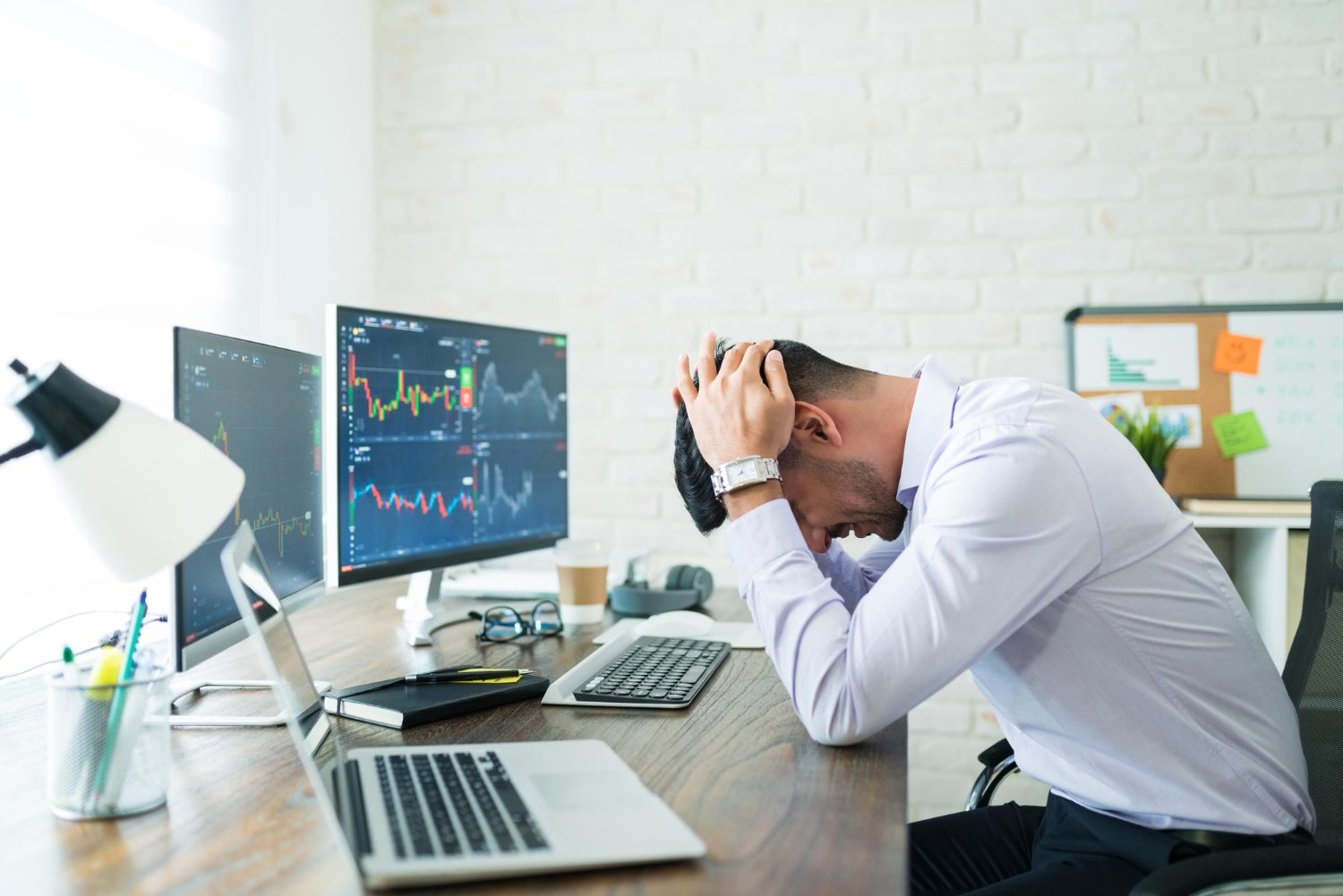
Forex trading attracts thousands of Kenyans seeking additional income or financial independence. While legitimate profit opportunities exist, the risks are substantial and often underestimated by beginners. Understanding these dangers before investing helps you make informed decisions and protect your capital.
The main risks of forex trading in Kenya include potential total loss of capital (70-80% of beginners lose money), exposure to unregulated scams and Ponzi schemes, overleveraging that magnifies losses, lack of proper education leading to poor decisions, emotional trading causing impulsive mistakes, and market volatility creating unpredictable price movements. Even with CMA-licensed brokers, trading success requires extensive education, discipline, and realistic expectations.
This comprehensive guide examines all significant risks facing Kenyan forex traders, explains how to identify and avoid scams, provides strategies for risk management, and helps you decide whether forex trading is appropriate for your situation.
Understanding the Reality of Forex Losses in Kenya
Before considering forex trading, you must understand the statistical reality of losses in this market.
The 70-80% Loss Rate
Multiple studies across different countries consistently show that approximately 70-80% of retail forex traders lose money. This statistic applies globally, including Kenya.
What This Means: Out of every 10 people who start forex trading, only 2-3 will be profitable over time. The remaining 7-8 will lose some or all of their invested capital.
Why This Happens:
- Insufficient education before trading with real money
- Poor risk management practices
- Emotional decision-making overriding strategy
- Unrealistic profit expectations leading to excessive risk-taking
- Inadequate capital to withstand normal market fluctuations
- Lack of trading plan or discipline to follow it
- Overtrading due to impatience or greed
- Failure to adapt strategies to changing market conditions
The Learning Curve: Most successful traders lost money during their first 1-2 years while learning. Initial losses should be expected and budgeted for as educational expenses.
Total Capital Loss Risk
Forex trading carries the real possibility of losing your entire investment. This isn’t theoretical—it happens regularly to traders who:
Overtrade Their Account: Opening too many positions relative to account size exhausts capital quickly when trades move against them.
Ignore Stop-Losses: Hoping losing trades will reverse often results in catastrophic losses exceeding initial risk plans.
Use Excessive Leverage: High leverage ratios (like 1:500) can wipe out accounts with small adverse price movements.
Chase Losses: Attempting to recover losses by taking bigger risks usually accelerates account destruction.
TIMEBUCKS
Low minimum
payout of just
$3 — start
earning today!
Trade Without Education: Entering markets without understanding how they work guarantees eventual significant losses.
Real Example Scenario: A trader deposits KES 50,000, uses 1:100 leverage, opens large positions without stop-losses, and the market moves 50 pips against them. They could lose their entire KES 50,000 in minutes.

Psychological Impact of Losses
Beyond financial damage, forex losses create psychological effects:
Stress and Anxiety: Watching account balances decrease creates significant mental stress, especially if you invested money you couldn’t afford to lose.
TIMEBUCKS
Low minimum
payout of just
$3 — start
earning today!
Relationship Strain: Hidden trading losses or using family money without permission damages trust and relationships.
Self-Esteem Impact: Repeated losses can affect confidence and self-worth, particularly for those who expected quick success.
Depression Risk: Significant financial losses, especially from money needed for essentials, can trigger or worsen depression.
Desperation Trading: Psychological pressure to recover losses often leads to increasingly reckless decisions.
These psychological impacts reinforce why you should only trade with money you can afford to lose completely without affecting your quality of life.
Major Financial Risks in Forex Trading
Understanding specific financial dangers helps you protect yourself through proper risk management.
Leverage Risk
Leverage amplifies both profits and losses, making it one of the most dangerous aspects of forex trading.
What Leverage Means: Leverage of 1:100 means you control KES 100,000 in currency with just KES 1,000 of your own money. The broker lends you the remaining KES 99,000.
How Leverage Magnifies Losses:
With KES 10,000 account and 1:100 leverage:
- You can open position worth KES 1,000,000
- 1% price move against you = KES 10,000 loss (your entire account)
- Without leverage, same 1% move = only KES 100 loss
Beginner Mistake: Many beginners use maximum available leverage (1:500 or higher) because brokers offer it, not realizing how quickly it can destroy accounts.
Safe Leverage Practices:
- Start with 1:10 or 1:20 leverage maximum
- Never use leverage above 1:50 until you’re consistently profitable
- Understand that lower leverage forces better risk management
- Remember that leverage is a tool, not free money
Margin Call and Stop Out Risk
When trades move against you with leverage, your account faces margin calls and automatic position closures.
Margin Call: Warning that your account equity has fallen near the level where positions may be automatically closed. This happens when losses consume most of your available margin.
Stop Out Level: The point where the broker automatically closes your positions to prevent your account from going negative. Typically occurs when equity falls to 20-50% of required margin.
How This Destroys Accounts:
You have KES 50,000, open large leveraged position, market moves against you:
- Account equity drops to KES 20,000 (60% loss)
- Reaches broker’s stop out level
- Broker automatically closes positions at huge loss
- You’re left with KES 20,000, having lost KES 30,000
- No chance for market to reverse in your favor
Prevention: Use appropriate position sizes, always set stop-losses, never risk more than 1-2% per trade, and maintain adequate free margin.
Volatility Risk
Currency markets can move dramatically in short periods, especially during economic news releases.
Normal Volatility: Even without news, forex pairs move 50-100 pips daily, creating constant risk.
News Volatility: Major economic announcements can cause 200-500+ pip movements in minutes.
Gap Risk: Markets sometimes “gap” (jump price levels) when they reopen after weekends or during extreme news, potentially bypassing your stop-loss orders.
Flash Crash Risk: Rare but possible events where prices temporarily plunge or spike hundreds of pips before recovering.
Impact on Traders: High volatility can trigger stop-losses, cause slippage (orders filling at worse prices than expected), and create losses faster than you can react.
Managing Volatility Risk:
- Avoid trading during major news releases as a beginner
- Use wider stop-losses during high-volatility periods
- Reduce position sizes before weekends or known events
- Never leave positions without stop-losses
Overnight and Weekend Risk
Holding positions overnight or over weekends exposes you to additional risks.
Swap Charges: Brokers charge daily interest (swap) for holding positions overnight. These costs accumulate, eating into profits or increasing losses.
Gap Risk: Markets can open significantly different from closing prices due to weekend news or events.
Limited Control: You cannot manage positions when markets are closed, leaving you vulnerable to adverse moves upon reopening.
Recommendation: Beginners should close positions before market close until they gain experience and understand overnight risks.
Hidden Costs Accumulation
Trading costs beyond spreads can significantly impact profitability:
Spreads: The difference between buying and selling price represents immediate cost on every trade. On a KES 50,000 account trading EUR/USD with 2-pip spread, you start every trade down approximately KES 100.
Commissions: Some brokers charge per-trade commissions in addition to spreads.
Swaps/Rollover: Overnight interest charges accumulate, especially for longer-held positions.
Withdrawal Fees: Some brokers charge for withdrawals, reducing your net profits.
Slippage: Orders may execute at worse prices than expected during volatile conditions.
Conversion Fees: If your account is in different currency than your deposits, conversion charges apply.
Impact: These costs mean you must profit significantly just to break even. A trader losing KES 100 in spreads per trade needs to win by more than that amount to actually profit.
Forex Scams in Kenya: Major Threats
Kenya has experienced numerous forex-related scams that have cost traders millions of shillings. Understanding common scam types protects you from becoming a victim.
Unlicensed Broker Scams
What They Are: Companies operating as forex brokers without valid CMA licenses, offering trading services illegally.
How They Work:
- Advertise attractive trading conditions
- Accept deposits from eager traders
- May allow initial small withdrawals to build trust
- Create difficulties when traders try to withdraw significant profits
- Eventually disappear with client funds or refuse all withdrawals
Warning Signs:
- No CMA license number displayed
- Not on official CMA list of licensed brokers
- Offshore registration in unrecognized jurisdictions
- Overly attractive bonuses or trading conditions
- Pressure to deposit quickly
- Poor or unresponsive customer support
- Website contains grammatical errors or looks unprofessional
Protection: Only trade with CMA-licensed brokers. Verify every broker on the official CMA website (cma.or.ke) before depositing any money.
Ponzi Scheme “Forex” Investments
What They Are: Fraudulent investment schemes disguised as forex trading opportunities that pay returns to earlier investors using money from new investors rather than from actual trading profits.
How They Work:
- Promise guaranteed returns (e.g., 10% monthly, 50% quarterly)
- Claim to have expert traders or automated systems
- Pay initial returns to early investors to build credibility
- Encourage existing investors to recruit others (pyramid structure)
- Collapse when new deposits can’t cover promised returns
- Operators disappear with remaining funds
Famous Kenya Examples: Several high-profile schemes have defrauded Kenyans of hundreds of millions of shillings by promising guaranteed forex returns.
Warning Signs:
- Guaranteed or unrealistic return promises
- Recruitment requirements or referral bonuses
- Pressure to invest larger amounts
- Vague explanation of actual trading strategy
- No access to view your actual trading account
- Claims of “secret” or “exclusive” trading methods
- Celebrity endorsements or pressure tactics
- Emphasis on recruiting others rather than trading
Key Difference: Legitimate forex trading never guarantees profits. Any guarantee of returns indicates a scam.
Signal Seller Scams
What They Are: Individuals or services selling forex trading signals that supposedly tell you when to buy or sell, often for monthly subscription fees.
How They Work:
- Advertise amazing past results (often fabricated)
- Charge monthly fees (KES 5,000-50,000+) for signals
- Provide signals that lead to losses
- Blame losses on trader not following signals exactly
- Continue collecting fees despite poor results
- Disappear once enough people complain
Why They’re Problematic:
- Past results are often fabricated or cherry-picked
- Real-time performance rarely matches advertised results
- Following signals prevents learning actual trading skills
- You have no understanding of why signals succeed or fail
- Creates dependency rather than self-sufficiency
Warning Signs:
- Screenshots of profits (easily faked)
- Testimonials from “satisfied clients” (often fake)
- Pressure to subscribe immediately
- Claims of 90%+ win rates
- No verification of real track record
- High subscription fees
- Guaranteed profit promises
Better Alternative: Invest time and money in education to develop your own analysis skills rather than paying for signals.
Expert Advisor (EA) or Robot Scams
What They Are: Automated trading software sold with promises of passive income and consistent profits.
How They Work:
- Advertise “proven” robots that trade automatically
- Show backtested results or fabricated live results
- Charge KES 10,000-100,000+ for software
- Robot either performs poorly or was never tested properly
- Sellers blame losses on improper setup or market conditions
- Little to no support after purchase
The Reality:
- Most commercial EAs lose money in live trading
- Backtested results rarely translate to real markets
- Past performance doesn’t predict future results
- Markets change, making robots obsolete
- Programming errors or poor logic causes losses
Warning Signs:
- Guaranteed profit claims
- “Set and forget” passive income promises
- Limited-time offers creating urgency
- Exceptional backtested results
- No verified live trading track record
- Refusal to offer trial or demo testing
- Generic “one-size-fits-all” approach
Truth: Profitable automated trading requires sophisticated programming, constant monitoring, frequent adjustments, and deep market understanding—not buying a KES 20,000 robot.
Account Management Scams
What They Are: Individuals offering to trade your account for you in exchange for percentage of profits or upfront fees.
How They Work:
- Claim professional trading expertise
- Request access to your trading account
- Promise high returns with low risk
- Either lose your money through poor trading
- Or trade recklessly causing massive losses
- Disappear when account is depleted
- Some directly steal funds through withdrawals
Warning Signs:
- Guaranteed returns or low-risk promises
- Pressure to give account access
- No verified track record
- Requests for upfront fees
- Vague trading strategy explanations
- No proper agreement or regulation
- Social media recruitment
Risk: Giving someone access to your trading account essentially hands them your money with no legal protection or recourse.
Safer Alternative: If you lack time or expertise for active trading, consider CMA-regulated investment funds rather than giving account access to strangers.
Social Media Forex Gurus
What They Are: Instagram, Facebook, or TikTok personalities flaunting wealth supposedly from forex trading.
How They Work:
- Post pictures of luxury items, cash, cars
- Claim to make thousands or millions from forex
- Offer paid courses, signals, or mentorship
- Actual income comes from course sales, not trading
- Course content often basic information available free online
- Disappear or rebrand when exposed
Warning Signs:
- Focus on lifestyle rather than education
- Rented luxury items or borrowed settings
- Screenshots easily faked
- More emphasis on recruiting students than trading
- Expensive courses (KES 50,000-500,000+)
- Pressure tactics and FOMO marketing
- No verified trading track record
Reality: Successful traders rarely need to sell courses on social media. Those flaunting wealth are typically selling dreams, not providing valuable education.
Trading Risks Specific to Beginners in Kenya
New traders face particular vulnerabilities that increase their risk of losses.
Lack of Education Risk
The Problem: Most beginners start trading with minimal understanding of how markets work, what moves prices, or how to manage risk.
Why It’s Dangerous:
- Can’t differentiate good trading opportunities from bad ones
- Don’t understand when to enter or exit trades
- Lack knowledge of risk management principles
- Can’t interpret technical indicators correctly
- Don’t recognize market conditions unsuitable for their strategy
Impact: Trading without education is essentially gambling, guaranteeing losses over time.
Solution: Dedicate 3-6 months to education before risking real money. Study technical analysis, fundamental analysis, risk management, and trading psychology extensively.
Insufficient Starting Capital Risk
The Problem: Many Kenyan beginners start with KES 5,000-10,000, which is technically possible but practically insufficient for proper risk management.
Why It’s Dangerous:
With KES 5,000 and proper 1% risk per trade:
- You can only risk KES 50 per trade
- This severely limits position sizes
- One or two losses from unavoidable market noise depletes account
- Psychological pressure increases as account is so small
- Temptation to overtrade or overleverage becomes overwhelming
Impact: Small accounts force traders into poor risk management, increasing loss probability.
Recommendation: While brokers accept KES 5,000 minimums, realistic trading requires KES 50,000-100,000 for adequate risk management and psychological comfort.
Overconfidence from Demo Success
The Problem: Traders succeed on demo accounts, then immediately lose real money because demo trading differs psychologically from real trading.
Why It’s Dangerous:
- Demo trading lacks emotional pressure
- Real money triggers fear and greed
- Demo success doesn’t prove ability to handle real losses
- Encourages underestimating difficulty
- Creates false confidence leading to overleveraging
The Difference:
- Demo: Placing trade feels neutral, easy to follow plan
- Real: Every pip movement creates anxiety or excitement
- Demo: Losses feel insignificant, easy to accept
- Real: Even small losses trigger emotional reactions
Solution: Recognize demo success as just first step. Start real trading with minimal amounts (0.01 lots) regardless of demo performance.
Emotional Trading Risk
The Problem: Fear and greed override logical decision-making, causing traders to abandon their strategies.
How Emotions Destroy Accounts:
Fear Causes:
- Closing winning trades too early, missing larger profits
- Not entering valid trades due to fear of losses
- Placing stop-losses too tight, getting stopped unnecessarily
- Avoiding trading after losses, missing recovery opportunities
Greed Causes:
- Removing stop-losses to avoid being “stopped out”
- Holding losing trades hoping they’ll reverse
- Taking excessive position sizes for bigger profits
- Overtrading to make money faster
- Moving profit targets further away, never closing winners
Impact: Emotional decisions consistently lead to buying high, selling low, holding losers too long, and cutting winners too soon—the opposite of profitable trading.
Management: Develop detailed trading plans, use automated stop-losses and take-profits, practice meditation or stress management, take breaks after emotional reactions, and keep trading journals to identify emotional patterns.
Overtrading Risk
The Problem: Opening too many trades, trading too frequently, or trading in inappropriate market conditions.
Why Beginners Overtrade:
- Impatience to make money quickly
- Boredom when markets are quiet
- Trying to recover from losses
- Excitement and adrenaline addiction
- Mistaking activity for productivity
Impact of Overtrading:
- Accumulation of spreads and fees eroding capital
- Increased exposure to market risk
- Mental exhaustion leading to poor decisions
- Lower quality trade selection
- Violation of risk management rules
Example: Trader makes 20 trades daily, each costing KES 100 in spreads. Monthly cost: KES 40,000 in spreads alone before any actual trading losses.
Prevention: Set daily trade limits (2-3 maximum for beginners), trade only highest-probability setups, avoid trading when bored, and recognize that not trading is often the right decision.
Following Others Blindly
The Problem: Copying trades from friends, social media “experts,” or signal services without understanding the analysis.
Why It’s Dangerous:
- You don’t understand why trades are taken
- Can’t adjust when conditions change
- Don’t know when to exit
- Blame others for losses instead of learning
- Never develop personal trading skills
- May follow fraudulent sources
Common Scenario: Friend makes money on a trade, you copy it late, market reverses, you lose while they profited.
Better Approach: Learn to analyze markets yourself. Use others’ analysis as learning opportunities, not trade copying. Understand the reasoning before taking any trade.
Non-Financial Risks of Forex Trading
Beyond monetary losses, forex trading creates other significant risks.
Time and Opportunity Cost
Reality Check: Becoming consistently profitable typically requires 1-2 years of dedicated study and practice. This represents hundreds of hours that could be spent on other pursuits.
Opportunity Cost: Time spent learning forex could instead be used to:
- Develop career skills increasing employment income
- Build a business with more predictable outcomes
- Pursue education leading to qualifications
- Spend with family and friends
Question to Ask: Could your time produce better returns through alternative paths? For many people, the answer is yes.
Relationship Strain
How Forex Affects Relationships:
- Hidden losses create dishonesty and secrecy
- Time spent trading reduces family interaction
- Stress from losses affects mood and behavior
- Financial losses impact household budgets
- Partners may feel betrayed by trading risks
Common Scenarios:
- Using family money without permission
- Hiding losses from spouse
- Neglecting children to watch charts
- Arguments about money spent on trading
- Relationship breakdown due to financial stress
Protection: Only trade with personal discretionary funds, maintain transparency with family, set strict time boundaries, and ensure trading doesn’t interfere with relationships.
Health Impact
Physical Effects:
- Extended screen time causing eye strain
- Sedentary lifestyle from sitting at charts
- Poor sleep from night trading or stress
- Stress-related health problems (hypertension, ulcers)
- Neglect of exercise and healthy habits
Mental Health Effects:
- Anxiety from market exposure
- Depression from significant losses
- Obsessive thoughts about trading
- Addiction-like behavior patterns
- Difficulty focusing on non-trading activities
Balance Required: Successful traders maintain strict boundaries, prioritize physical health, and recognize when trading affects wellbeing negatively.
Career and Business Neglect
The Risk: Some traders neglect employment or businesses while focusing on forex, expecting trading income to replace other sources.
Why This Is Dangerous:
- Most traders aren’t consistently profitable for years
- Losing employment income while losing trading capital creates financial crisis
- Businesses suffer from neglect, losing customers or revenue
- Difficult to recover career momentum after extended absence
Smart Approach: Treat forex as supplementary activity, not primary income, until you’ve demonstrated years of consistent profitability.
Forex Warnings Every Kenyan Trader Must Know
Regulatory bodies and experienced traders emphasize these critical warnings.
Capital Markets Authority Warnings
The CMA regularly issues warnings to protect Kenyan traders:
Only Trade with Licensed Brokers: The CMA repeatedly warns that unlicensed brokers offer no legal protection. Verify every broker on cma.or.ke before depositing.
Beware Guaranteed Returns: Any promise of guaranteed profits indicates a scam, not legitimate trading.
Report Suspicious Operations: The CMA encourages reporting suspected scams to prevent others from becoming victims.
Understand Risks: The CMA requires licensed brokers to provide clear risk warnings explaining potential for total capital loss.
No Guaranteed Profits
Critical Understanding: Legitimate forex trading never guarantees profits. Anyone promising guaranteed returns is running a scam.
Why Guarantees Are Impossible:
- Market movements are unpredictable
- Past performance doesn’t predict future results
- No strategy wins 100% of the time
- Even experts have losing streaks
Red Flag: Promises like “guaranteed 10% monthly” or “risk-free profits” always indicate fraud.
High Risk, High Complexity
Official Classification: Forex trading is classified as high-risk, complex financial product unsuitable for most retail investors.
What This Means:
- Not everyone should trade forex
- Requires significant education and experience
- Probability of loss exceeds probability of profit for most traders
- More people lose money than make money
Self-Assessment: Before starting, honestly evaluate whether you have time, capital, emotional temperament, and commitment required for potential success.
Addiction Risk
Warning: Forex trading can become addictive, exhibiting patterns similar to gambling addiction.
Signs of Trading Addiction:
- Inability to stop trading despite consistent losses
- Trading with money needed for essentials
- Hiding trading activity from family
- Obsessive thoughts about trading
- Emotional highs and lows tied to trading results
- Neglecting work, relationships, or health
- Chasing losses compulsively
If You Recognize These: Seek professional help from counselors experienced in addiction. Trading addiction is serious and requires intervention.
Start Small, Learn First
Universal Advice: Every experienced trader and regulatory body emphasizes starting with minimal amounts after extensive education.
Proper Progression:
- Study forex basics for 2-3 months
- Practice on demo accounts for 3-6 months
- Start real trading with absolute minimum amounts (0.01 lots)
- Trade small for 6-12 months while continuing education
- Gradually increase size only after demonstrating consistent profitability
- Expect 1-2 years before potentially earning meaningful income
Warning: Rushing this process, skipping steps, or starting large virtually guarantees significant losses.
Managing Forex Trading Risks
While risks cannot be eliminated, proper practices significantly reduce dangers.
Essential Risk Management Rules
1% Rule: Never risk more than 1-2% of account balance on a single trade. With KES 50,000 account, risk maximum KES 500-1,000 per trade.
Always Use Stop-Losses: Every trade must have predetermined stop-loss level. No exceptions. Never hope or wait for reversal.
Position Sizing: Calculate appropriate lot sizes based on stop-loss distance and 1% risk rule. Use position size calculators.
Avoid Overleveraging: Use low leverage (1:10 to 1:20) regardless of broker’s maximum offerings.
Diversification Limits: Don’t open too many correlated positions. Maximum 2-3 open trades for beginners.
Trade Quality Over Quantity: Take only highest-probability setups. Fewer, better trades beat frequent mediocre trades.
Preserve Capital: Your primary goal should be protecting capital, not maximizing profits. Capital preservation leads to long-term survival and eventual success.
Education and Preparation
Formal Study: Complete structured courses covering technical analysis, fundamental analysis, risk management, and trading psychology.
Demo Practice: Spend minimum 3-6 months on demo accounts before real money.
Trading Plan: Develop written plan specifying entry rules, exit rules, risk management, and position sizing before trading.
Keep Journal: Record every trade with reasoning, emotions, and results. Review weekly to identify patterns and mistakes.
Continuous Learning: Study continuously throughout trading career. Markets evolve, requiring constant education.
Psychological Management
Emotional Awareness: Recognize when fear, greed, or other emotions influence decisions.
Take Breaks: Step away after losses or wins to reset emotionally.
Accept Losses: Losses are inevitable part of trading. Accept them without emotional reaction.
Realistic Expectations: Understand that consistent profitability takes years to develop.
Support System: Discuss trading with family or mentors who provide emotional support and perspective.
Should You Trade Forex? Honest Self-Assessment
Before starting forex trading, honestly answer these questions:
Financial Questions:
- Can I afford to lose my intended investment completely?
- Do I have emergency funds covering 3-6 months of expenses?
- Is this discretionary money, not funds needed for bills, food, or family?
- Can I commit KES 50,000+ for realistic trading conditions?
Time Questions:
- Can I dedicate 6-12 months to education before expecting profits?
- Do I have 1-2 hours daily for trading and analysis?
- Can I commit to this for 1-2 years before evaluating success?
Psychological Questions:
- Can I handle losing money without emotional distress?
- Do I have patience for slow, gradual progress?
- Can I follow rules even when emotionally uncomfortable?
- Do I accept that most traders lose money?
Knowledge Questions:
- Am I willing to study technical and fundamental analysis?
- Can I learn risk management principles and apply them consistently?
- Do I understand that initial losses are likely while learning?
If You Answered “No” to Multiple Questions: Forex trading likely isn’t suitable for you currently. Consider alternative investments or wait until circumstances improve.
If You Answered “Yes” to All Questions: You may be prepared for the challenges of learning forex trading, but still approach with extreme caution and conservative risk management.
Frequently Asked Questions
What percentage of forex traders lose money in Kenya?
Approximately 70-80% of forex traders lose money, a statistic that applies globally including Kenya. Studies consistently show only 20-30% of retail forex traders achieve profitability over time. Most beginners lose their initial capital within the first 3-6 months due to insufficient education, poor risk management, and emotional trading.
What are the most common forex scams in Kenya?
Common forex scams in Kenya include unlicensed brokers that refuse withdrawals, Ponzi schemes promising guaranteed returns, fake signal sellers with fabricated results, social media “gurus” selling expensive courses, and account management scams where fraudsters trade your account recklessly. Always verify brokers have valid CMA licenses and avoid anyone guaranteeing profits.
Can I lose more money than I deposit in forex trading?
With CMA-licensed brokers offering negative balance protection, you typically cannot lose more than your deposit. However, without this protection or with certain account types, it’s theoretically possible to owe money if markets move extremely rapidly. Always use stop-losses, avoid excessive leverage, and verify your broker offers negative balance protection.
How can I avoid losing money in forex trading?
You cannot completely avoid losses—they’re inherent to forex trading. However, you can minimize risks by: using only CMA-licensed brokers, getting extensive education before trading real money, practicing on demo accounts for months, never risking more than 1-2% per trade, always using stop-losses, avoiding high leverage, starting with small amounts, and maintaining emotional discipline.
Is forex trading gambling?
Forex trading becomes gambling when done without education, strategy, or risk management—essentially hoping prices move favorably. However, with proper analysis, tested strategies, and disciplined risk management, it’s speculative investment rather than gambling. That said, the line can blur when traders make impulsive, emotion-driven decisions, which happens frequently.
What is the biggest risk for beginner forex traders in Kenya?
The biggest risk for beginners is starting with real money before adequate preparation. This includes insufficient education, no demo practice, poor risk management knowledge, unrealistic expectations, and vulnerability to scams. Most beginners lose money because they rush into real trading, drawn by promises of quick profits, without understanding markets or themselves.
Should I quit my job to trade forex full-time?
No. Never quit stable employment to trade forex full-time unless you’ve demonstrated consistent profitability for at least 2-3 years and have substantial savings. Even profitable traders experience losing periods. Most people who quit jobs for forex end up with neither trading income nor employment income, creating financial crisis.
How much money can I realistically make from forex trading in Kenya?
Realistic expectations for consistently profitable traders (the minority) are 5-10% monthly returns, though this fluctuates significantly. With KES 100,000, this means KES 5,000-10,000 monthly—not enough to live on. Building substantial income requires either large capital or years of compounding small accounts. Most beginners should expect losses, not profits, during their first 1-2 years.
Final Summary
Forex trading in Kenya carries substantial risks that every beginner must understand before investing money. The statistical reality shows 70-80% of traders lose money, many losing their entire capital. These losses stem from insufficient education, poor risk management, emotional trading, overleveraging, and vulnerability to scams.
Kenya has experienced numerous forex-related scams including unlicensed brokers, Ponzi schemes, fake signal services, and social media fraudsters. Protect yourself by only trading with CMA-licensed brokers verified on the official CMA website, avoiding anyone promising guaranteed returns, and recognizing that legitimate trading never guarantees profits.
Beyond financial losses, forex trading risks include time opportunity costs, relationship strain, health impacts, and potential addiction. The complexity and high-risk nature of forex trading makes it unsuitable for most people, particularly those without adequate capital, time for extensive education, or emotional temperament to handle losses.
If you decide to proceed with forex trading, prioritize risk management by never risking more than 1-2% per trade, always using stop-losses, avoiding excessive leverage, and starting with amounts you can afford to lose completely. Dedicate 6-12 months to education and demo practice before trading real money, and maintain realistic expectations that consistent profitability typically takes 1-2 years to achieve.
Honestly assess whether forex trading suits your financial situation, time availability, risk tolerance, and personal goals. For many people, alternative investments or income sources offer better risk-reward profiles with more predictable outcomes. There’s no shame in concluding forex trading isn’t right for you—that demonstrates wisdom rather than weakness.
Remember that this article provides educational information only and does not constitute financial advice. The risks described are real, documented, and affect real people. Approach forex trading with extreme caution, skepticism toward promises of easy profits, and commitment to extensive education before risking capital.
TIMEBUCKS
Low minimum
payout of just
$3 — start
earning today!