
 TIMEBUCKS
Low minimum
payout of just
$3 — start
earning today!
Starting forex trading in Kenya is easier than most people think, but doing it correctly requires following specific steps and understanding important requirements. This guide walks you through everything you need to begin trading currencies safely and legally.
To start forex trading in Kenya, you need three things: a licensed broker account, starting capital (minimum KES 5,000-10,000), and basic trading education. The entire process from opening your account to placing your first trade can take just a few days, though spending time learning before risking real money is crucial for long-term success.

What Does It Mean to Start Forex Trading?
Starting forex trading means setting up everything necessary to buy and sell currencies through an online platform. This includes choosing a regulated broker, opening a trading account, depositing funds, learning how to use the trading platform, and understanding basic market concepts.
Unlike starting a traditional business that requires licenses, physical location, and inventory, forex trading requires only a computer or smartphone, internet connection, and capital. You trade from home, your office, or anywhere with internet access.
For Kenyan beginners, starting forex trading specifically means working with brokers regulated by the Capital Markets Authority (CMA) and using payment methods like M-Pesa that are accessible to local traders.
Complete Forex Trading Steps in Kenya
Step 1: Understand the Basics of Forex Trading
Before opening any account, spend time understanding what forex trading actually involves. Forex means “foreign exchange,” and trading involves buying one currency while selling another simultaneously.

Learn these fundamental concepts first:
- Currency pairs (EUR/USD, GBP/USD, USD/KES)
- How exchange rates work
- What pips and lots mean
- The concept of leverage
- Basic risk management principles
Spend at least 2-3 weeks reading articles, watching YouTube videos, and taking free online courses. Many brokers offer free educational materials specifically for beginner forex in Kenya.
Step 2: Check Your Eligibility and Gather Requirements
Before you start trading forex in Kenya, ensure you meet the basic requirements:
Age Requirement: You must be at least 18 years old to open a forex trading account in Kenya.
Identification Documents: Prepare your national ID or passport with clear, valid copies. Brokers need these to verify your identity as required by Kenyan regulations.
Proof of Address: Get a recent utility bill, bank statement, or any official document showing your current residential address (dated within the last 3 months).

Active Phone Number: You’ll need a working Kenyan phone number for account verification and two-factor authentication.
TIMEBUCKS
Low minimum
payout of just
$3 — start
earning today!
Bank Account or M-Pesa: Have an active bank account or M-Pesa wallet for depositing and withdrawing funds.
Email Address: Create a dedicated email address for your trading activities to keep everything organized.

Step 3: Choose a CMA-Licensed Broker
This is the most critical step in how to start forex trading in Kenya. Only trade with brokers licensed by the Capital Markets Authority.
How to Verify a Broker’s License:
TIMEBUCKS
Low minimum
payout of just
$3 — start
earning today!
Visit the CMA website (cma.or.ke) and check their official list of licensed forex brokers. As of 2025, this includes brokers like EGM Securities, Genghis Capital, and others. The list updates periodically, so always verify current status.
What to Look for in a Broker:
- Valid CMA license (non-negotiable)
- M-Pesa deposit and withdrawal support
- Low minimum deposit (KES 5,000-10,000)
- Free demo account
- MetaTrader 4 or 5 platform
- Educational resources in English
- Responsive customer support
- Competitive spreads (trading costs)
- Good reputation among Kenyan traders
Red Flags to Avoid:
- Brokers promising guaranteed profits
- Unlicensed brokers claiming to be “registered” without CMA license
- Brokers asking you to recruit others (pyramid schemes)
- Companies with no physical address in Kenya
- Platforms with numerous negative reviews about withdrawal problems
Step 4: Open Your Trading Account
Once you’ve selected a licensed broker, visit their website and click “Open Account” or “Register.”
Account Opening Process:
Fill in personal information including your full name, date of birth, address, phone number, and email. Most brokers ask about your employment status, income level, and trading experience. Answer honestly—these questions help brokers understand your risk profile.
Upload your identification documents. Take clear photos or scans of your national ID (both sides), proof of address, and any other requested documents. Blurry images delay account approval.
Choose your account type. Most brokers offer different account types based on deposit size. Beginners should start with a standard or mini account with lower minimum deposits.
Set up security features. Create a strong password, enable two-factor authentication, and set up security questions. These protect your account from unauthorized access.
Approval Timeline: Most CMA-licensed brokers approve accounts within 24-48 hours during business days. Some may take up to 5 business days if they need additional documentation.
Step 5: Practice on a Demo Account
This step is crucial but often skipped by impatient beginners. Before depositing real money, open a demo account and practice for at least 4-8 weeks.
What Is a Demo Account?
A demo account lets you trade with virtual money in real market conditions. You experience actual price movements, practice placing trades, and learn the platform without financial risk.
What to Practice:
- Navigating the trading platform
- Opening and closing trades
- Setting stop-loss and take-profit orders
- Understanding different order types (market orders, limit orders, stop orders)
- Reading charts and using basic indicators
- Managing multiple trades simultaneously
- Controlling emotions during winning and losing streaks
Demo Account Goals:
Practice until you can consistently follow your trading plan without emotional reactions. Track your demo trades in a journal and review them weekly. Only move to real trading after achieving at least 8 consecutive weeks of following your rules, regardless of whether you made or lost virtual money.
Step 6: Fund Your Live Trading Account
When you’re ready to start trading with real money, deposit funds into your live account.
Minimum Deposit Requirements:
Most CMA-licensed brokers accept minimum deposits between KES 5,000 and KES 10,000. However, experts recommend starting with at least KES 50,000 to have adequate capital for proper risk management.
Deposit Methods for Kenyan Traders:
M-Pesa: The most popular method for Kenyan traders. Go to your broker’s deposit page, select M-Pesa, enter the amount, and follow the prompts on your phone. Deposits usually appear in your account within minutes to a few hours.
Bank Transfer: Transfer money from your Kenyan bank account to the broker’s designated bank account. This method takes 1-3 business days but works well for larger deposits.
Debit/Credit Card: Some brokers accept Visa or Mastercard debit cards. Enter your card details and the deposit amount. Funds typically appear within minutes.
Deposit Tips:
- Start with the minimum amount while learning
- Keep records of all deposit transactions
- Check if the broker charges deposit fees
- Verify the deposit reflects in your account before trading
- Never deposit more money than you can afford to lose completely
Step 7: Learn Your Trading Platform
Most forex brokers use MetaTrader 4 (MT4) or MetaTrader 5 (MT5). These industry-standard platforms offer powerful tools for analysis and trading.
Essential Platform Features to Master:
Market Watch: Shows all available currency pairs and their current prices. You can add or remove pairs from this list.
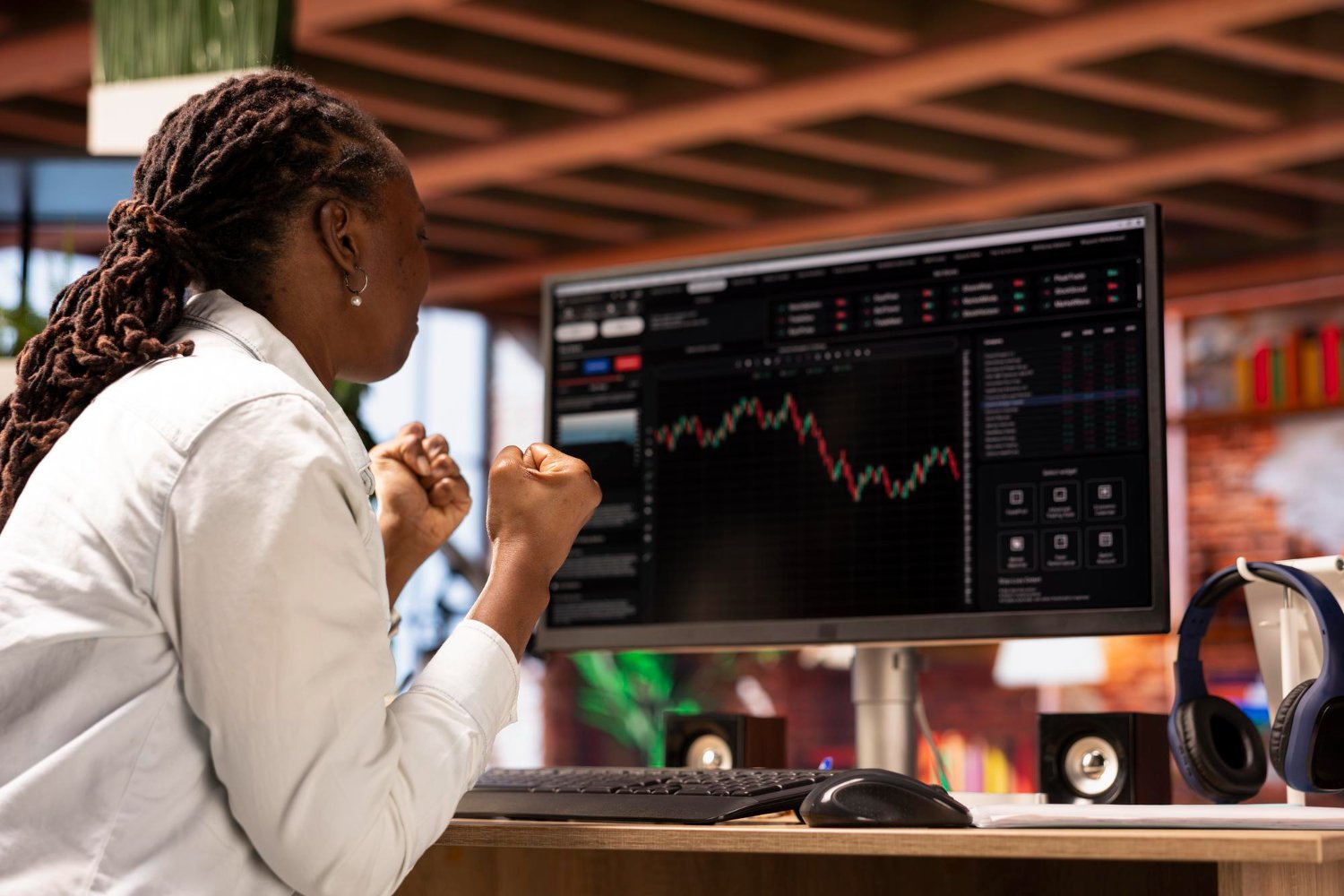
Charts: Display price movements over time. Learn to read candlestick charts, which show opening price, closing price, highest price, and lowest price for each time period.
Order Panel: Where you place trades. You’ll specify the currency pair, trade size (lot size), and whether you’re buying or selling.
Trade History: Shows all your past trades with details about profits, losses, and duration.
Indicators: Technical tools that help analyze price patterns. Start with simple indicators like moving averages and RSI (Relative Strength Index).
Account Balance: Shows your current account value, available margin, and profit/loss on open trades.
Step 8: Create a Trading Plan
Successful traders follow a clear plan rather than making random decisions based on emotions or hunches.
Your Trading Plan Should Include:
Trading Strategy: Define how you’ll decide when to enter and exit trades. Will you use technical analysis, fundamental analysis, or both?
Risk Per Trade: Never risk more than 1-2% of your account on a single trade. With KES 50,000, risk only KES 500-1,000 per trade.
Stop-Loss Rules: Always use stop-loss orders to limit potential losses. Decide where you’ll place stops before entering any trade.
Profit Targets: Define realistic profit goals. Many successful traders aim for risk-reward ratios of at least 1:2 (risk KES 500 to make KES 1,000).
Trading Schedule: Decide which times you’ll trade based on market sessions and your personal schedule.
Currency Pairs to Trade: Beginners should focus on major pairs like EUR/USD, GBP/USD, or USD/JPY. These have tighter spreads and more predictable behavior.
Step 9: Place Your First Trade
When you’re ready to start trading forex in Kenya with real money, start small.
How to Open a Trade:
Select a currency pair from the Market Watch window. Right-click and choose “New Order” or click the “New Order” button.
Choose your trade size. Start with 0.01 lots (micro lot), which equals 1,000 units of currency. This keeps your risk minimal while learning.
Decide to buy or sell. Buy if you believe the base currency will strengthen against the quote currency. Sell if you believe it will weaken.
Set your stop-loss. Place this at a level where you’ll exit if the market moves against you. For example, if you risk KES 500, calculate the pip distance that equals this amount and set your stop accordingly.
Set your take-profit. Decide where you’ll close the trade if it moves in your favor.
Click “Buy” or “Sell” to open the trade.
First Trade Tips:
- Keep your first trades very small (0.01 lots)
- Never open more than one or two trades while learning
- Don’t close trades early out of fear or greed
- Let your stop-loss and take-profit levels do their job
- Write down why you entered the trade and what you expect to happen
Step 10: Monitor and Manage Your Trades
After opening a trade, monitor it regularly but avoid obsessive checking that leads to emotional decisions.
Check trades 2-3 times daily rather than every few minutes. Constant monitoring increases stress and tempts you to close trades prematurely.
Never move stop-losses further away. If a trade moves against you, accept the loss according to your original plan. Moving stops is how small losses become account-destroying disasters.
Take partial profits on winning trades if they move strongly in your favor. For example, close half the position at your target and let the other half run with a trailing stop.
Keep a trading journal. Record every trade with entry and exit points, reasoning, emotional state, and lessons learned. Review this weekly to identify patterns and improve.
Forex Requirements in Kenya: Everything You Need
Understanding the forex requirements in Kenya helps you start legally and avoid problems later.
Legal Requirements
Age: Must be 18 years or older to open a forex trading account in Kenya.
Identification: Valid national ID or passport required for account verification.
Tax Registration: Forex profits are taxable. Register with Kenya Revenue Authority (KRA) and obtain a PIN number for tax purposes.
Compliance with CMA Regulations: Trade only with CMA-licensed brokers to ensure legal protection and regulatory compliance.
Financial Requirements
Minimum Capital: While brokers accept KES 5,000-10,000, realistic trading requires KES 50,000-100,000 for proper risk management.
Risk Capital Only: Only use money you can afford to lose completely without affecting your daily life, bills, or family needs.
Emergency Fund First: Before starting forex trading, establish an emergency fund covering 3-6 months of living expenses. Never use this money for trading.
Technical Requirements
Reliable Internet: Stable internet connection is essential. Mobile data works but home WiFi or office internet is more reliable for active trading.
Computer or Smartphone: Modern smartphone (Android or iOS) or computer running Windows or Mac OS. Most brokers offer apps for both platforms.
Trading Platform: Download MetaTrader 4 or 5, or use the broker’s web-based platform. Ensure your device meets the platform’s system requirements.
Educational Requirements
While no formal education is mandatory, successful trading requires understanding:
- Basic economic concepts
- Chart reading and technical analysis
- Risk management principles
- Trading psychology
- Broker platforms and tools
Invest 3-6 months in education before expecting consistent profits.
Common Mistakes When Starting Forex Trading
Learning what NOT to do is as important as learning what to do. Avoid these common beginner mistakes:
Starting with Real Money Too Soon: Many beginners skip demo trading or practice for only a week or two. Spend at least 8-12 weeks on demo accounts before risking real money.
Overleveraging: Using maximum leverage (like 1:500) turns small market moves into large losses. Start with low leverage ratios like 1:10 or 1:20.
Ignoring Risk Management: Trading without stop-losses or risking too much per trade leads to blown accounts. Always risk only 1-2% per trade.
Emotional Trading: Letting fear and greed control decisions rather than following your trading plan destroys accounts quickly.
Chasing Losses: Trying to recover losses by taking bigger risks or more trades usually makes losses worse. Accept losses as part of trading and stick to your plan.
Trusting Signal Services: Paying for trading signals or copying other traders prevents you from developing your own skills. Learn to analyze markets yourself.
Unrealistic Expectations: Expecting to quit your job after a few months or make 100% monthly returns sets you up for disappointment and reckless trading.
Neglecting Education: Thinking you know enough after a few weeks of learning is dangerous. Successful traders study continuously throughout their careers.
Tips for Beginner Forex Traders in Kenya
Start Very Small: Begin with minimum deposits and 0.01 lot sizes. Focus on learning and developing skills, not making money initially.
Trade During Active Hours: For Kenyan traders, the London session (10 AM – 7 PM EAT) and London-New York overlap (3 PM – 7 PM EAT) offer the best opportunities.
Focus on 1-2 Currency Pairs: Master EUR/USD or GBP/USD before expanding to other pairs. Understanding how one pair moves is better than poorly trading many pairs.
Keep It Simple: Use simple strategies with 1-2 indicators. Complicated systems with many indicators often perform worse than simple approaches.
Join Local Communities: Connect with other Kenyan forex traders through social media groups, but be cautious of anyone selling signals or promising easy money.
Track Every Trade: Maintain a detailed journal including screenshots, entry reasons, emotions, and results. Review it weekly to learn from mistakes.
Set Daily Loss Limits: Stop trading for the day after losing 3-5% of your account or after 2-3 consecutive losing trades. This prevents emotional revenge trading.
Celebrate Small Wins: Focus on following your plan correctly rather than just making money. A well-executed trade that breaks even is better than a reckless trade that accidentally profits.
Be Patient: Developing consistent profitability typically takes 1-2 years of dedicated practice. Don’t rush the process or take shortcuts.
Protect Your Capital: Your trading capital is your business inventory. Preserving it through proper risk management is more important than chasing large profits.
How Much Money Can You Make?
This is the most common question beginners ask, but it’s also the most misleading one to focus on.
Realistic Expectations: Professional traders typically target 5-10% monthly returns, though actual results fluctuate significantly. Some months they lose money, other months they gain more than average.
Beginner Reality: Most beginners lose money for their first 6-12 months while learning. This is normal and expected. Consider your initial capital as tuition for learning a valuable skill.
Time to Profitability: Reaching consistent profitability usually takes 1-2 years of dedicated practice, education, and experience. Anyone promising faster results is likely misleading you.
Income Potential: Your potential earnings depend entirely on your account size and skill level. With KES 100,000 and 5% monthly returns, you’d make KES 5,000 monthly—not enough to live on. Building significant income requires either large capital or years of compounding small accounts.
Frequently Asked Questions
How long does it take to start forex trading in Kenya?
The account opening process takes 24-48 hours once you submit documents to a CMA-licensed broker. However, you should spend 2-3 months learning basics and 8-12 weeks practicing on demo accounts before depositing real money. The total preparation time is typically 3-6 months for serious beginners.
Can I start forex trading in Kenya with KES 5,000?
Yes, most brokers accept minimum deposits of KES 5,000-10,000. However, trading with such small amounts limits your risk management options and makes consistent profitability difficult. Consider starting with at least KES 50,000 for more realistic trading conditions and proper risk management.
Do I need a license to trade forex in Kenya?
No, individual traders don’t need licenses. However, you must trade through a broker licensed by the Capital Markets Authority (CMA). Only brokers need licenses—not individual traders. Always verify your broker’s CMA license before opening an account.
Which documents do I need to start trading forex in Kenya?
You need a valid national ID or passport, proof of address (utility bill or bank statement dated within 3 months), an active phone number, and an email address. Some brokers may request additional documents like bank statements or employment verification depending on your deposit size.
Is forex trading in Kenya taxable?
Yes, profits from forex trading are subject to taxation in Kenya. You should declare your trading income and pay applicable taxes to Kenya Revenue Authority (KRA). Consult a tax professional to understand your specific obligations and ensure compliance with Kenyan tax laws.
What is the best forex broker for beginners in Kenya?
The best broker has a valid CMA license, accepts M-Pesa, offers low minimum deposits (KES 5,000-10,000), provides free educational resources, and has responsive customer support. Check the CMA website for the current list of licensed brokers and compare their features before choosing.
How many hours per day should I trade forex as a beginner?
Beginners should limit trading to 1-2 hours daily during active market sessions, particularly the London session (10 AM – 7 PM EAT). Overtrading increases costs and emotional stress. Quality matters more than quantity—focus on taking only high-probability trades that match your strategy.
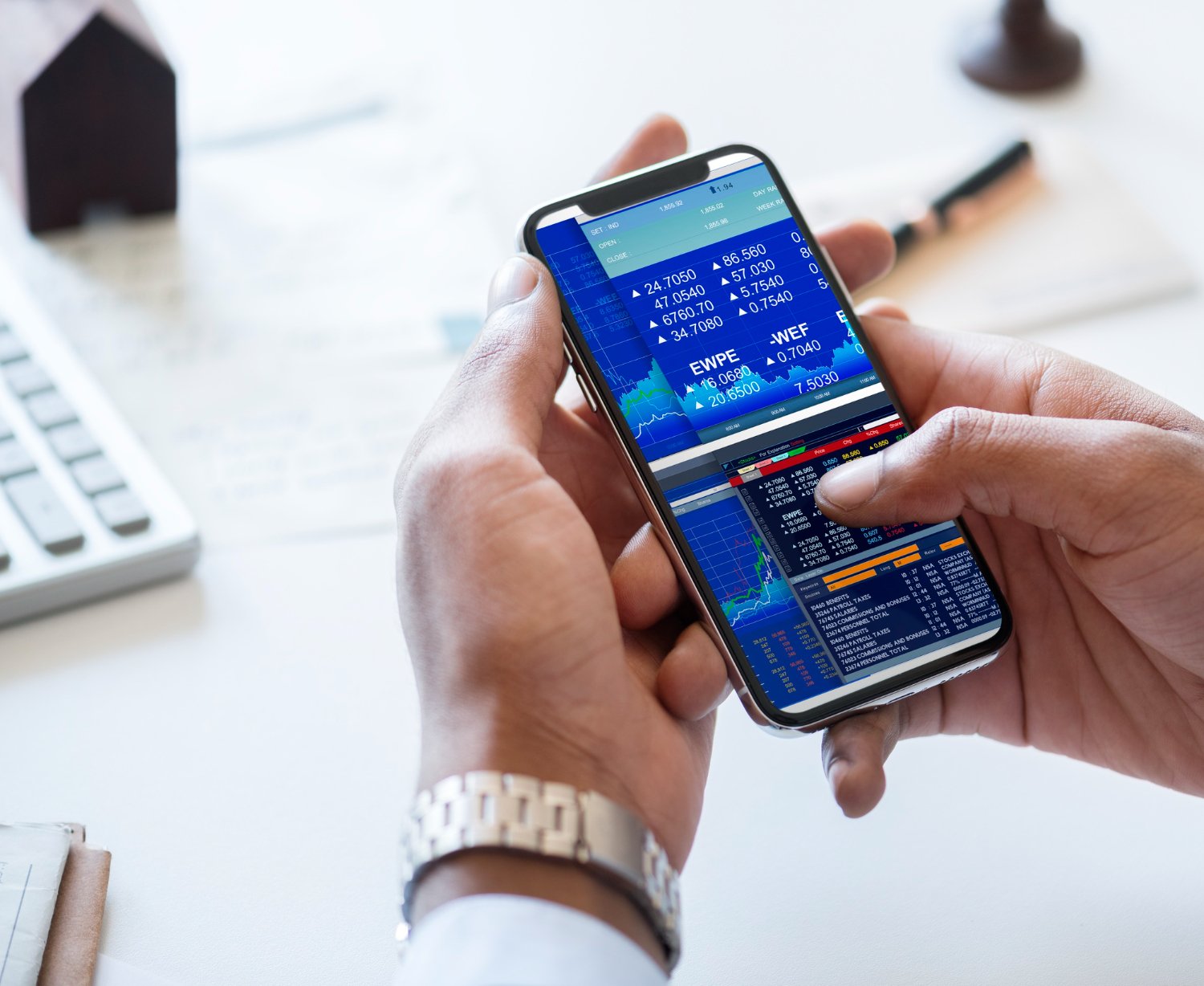
Can I trade forex in Kenya using my phone?
Yes, all major forex brokers offer mobile apps for Android and iOS devices. You can open accounts, deposit funds via M-Pesa, analyze charts, place trades, and monitor positions entirely from your smartphone. However, detailed analysis is often easier on a computer or tablet with a larger screen.
Final Summary
Starting forex trading in Kenya involves following specific steps: educating yourself about forex basics, gathering required documents, choosing a CMA-licensed broker, opening and verifying your account, practicing extensively on demo accounts, depositing funds, and placing your first small trades.
The entire process from opening an account to your first trade can take just a few days. However, preparing yourself properly through education and demo practice should take several months. This preparation time dramatically increases your chances of long-term success.
Focus on learning proper risk management, developing a simple trading strategy, and controlling your emotions. Start with small amounts, trade during optimal hours for Kenyan traders, and keep detailed records of every trade.
Remember that forex trading is not a get-rich-quick scheme. Most beginners lose money initially while learning. Approach it as a skill that takes time to develop, not a magic money machine. Success comes from patience, discipline, continuous education, and realistic expectations.
This article provides educational information only and does not constitute financial advice. Always conduct your own research, never invest more than you can afford to lose, and consider consulting with a financial advisor before making investment decisions.
TIMEBUCKS
Low minimum
payout of just
$3 — start
earning today!